


More Than Just Walking With Poles
Originating in Finland as off-season training for cross-country skiers, Nordic walking is a specific fitness technique, not just a casual hike with trekking poles. The key difference lies in the equipment and the movement. Unlike hiking poles used for stability,
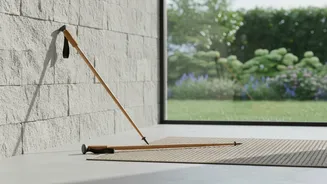
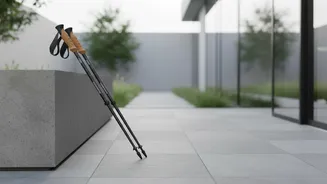
Nordic walking poles are specially designed with a glove-like strap system. This allows you to push off the ground with force, propelling yourself forward. The result is a rhythmic, flowing motion that engages the upper body, including the arms, shoulders, back, and core. While a regular walk primarily uses muscles below the waist, Nordic walking activates up to 90% of the body's muscles, turning a simple walk into a comprehensive workout.
The Comeback of a Low-Impact Powerhouse
So why is this Finnish fitness method suddenly everywhere? The revival is tied to a broader shift in wellness culture. In the wake of the pandemic, there's a growing appreciation for outdoor, accessible, and sustainable forms of exercise. Nordic walking fits this new mindset perfectly. It gets you out into nature, requires minimal gear, and is suitable for almost all ages and fitness levels. It has found a new, younger audience that values functional fitness—exercise that prepares your body for everyday activities. This isn't about high-intensity gym sessions; it’s about integrating more effective movement into your life, and Nordic walking offers a scientifically-backed way to do just that.
Redefining 'Beginner-Friendly' Fitness
The old case for Nordic walking as a beginner-friendly exercise was often that it was 'easy'. The revival changes this narrative. The new case is that it’s smart. The technique is simple to learn but profoundly effective. For beginners, the poles provide extra stability and support, which can build confidence and improve balance. More importantly, this support reduces the strain on lower-body joints like knees and hips, making it an excellent choice for those with pain or who are just starting an exercise routine. But 'gentle' doesn't mean ineffective. Studies show that Nordic walking can burn up to 46% more calories than regular walking because it distributes the effort across the entire body. So while it might feel less strenuous, you’re actually getting a much more efficient workout.
The Science-Backed Benefits
The appeal of Nordic walking is rooted in its proven health benefits. Engaging the upper body doesn't just build arm strength; it also promotes better posture by activating core and back muscles. The full-body engagement increases your heart rate more than regular walking at the same pace, making it a superior cardiovascular workout. Research has linked regular Nordic walking to significant improvements in health markers, including reductions in 'bad' LDL cholesterol, body fat, and waist circumference, while increasing muscle strength and overall cardiovascular fitness. It’s a compound exercise, meaning it works multiple muscle groups at once for functional strength, making your body more resilient for daily tasks.
Getting the Form Right From the Start
To unlock these benefits, form is everything. The fundamental technique involves an alternating motion: as your left foot steps forward, your right arm swings forward to plant the pole, and vice versa. The key is to keep your arms relatively straight and swing from the shoulder, not the elbow. Instead of planting the poles in front of you like a hiker, you plant them beside you and push back to propel yourself forward. A common mistake for beginners is not using the special hand straps correctly; they are designed to let you release your grip on the pole at the back of the swing, which allows for a full range of motion. Mastering this basic technique is what transforms the activity from a simple walk into a powerful, full-body exercise.