

The Post-Pandemic Comfort Revolution
The global lockdowns of the early 2020s fundamentally changed our relationship with clothes. As homes became offices, gyms, and social spaces, comfort became non-negotiable. Sales of sweatpants and loungewear soared as people prioritised ease and functionality
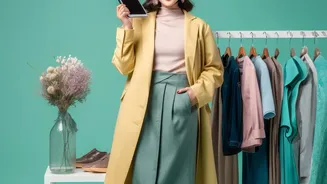
over rigid professional attire. This 'casualization' of style didn't disappear when the world opened back up. Instead, it created a new standard. Consumers, having experienced the freedom of comfortable clothing, are now demanding that their everyday wear offers the same blend of style and practicality. The result is hybrid workwear featuring relaxed silhouettes and flexible fabrics, proving that you no longer have to choose between looking good and feeling good.
Dressing for Value, Not for Trends
Economic uncertainty has a powerful influence on how we dress. In response to rising costs and financial pressures, many are adopting a more considered approach to shopping. This isn't about giving up on style, but rather about making smarter investments. The focus is shifting from the quantity of clothes we own to the quality and longevity of each piece. Consumers are now thinking in terms of 'cost-per-wear,' favouring versatile, high-quality garments that will last for years over cheap, trendy items that fall apart after one season. This mindset is about building a wardrobe of trusted pieces that deliver real value, a philosophy that feels both financially responsible and personally satisfying.
The Rise of Quiet Luxury
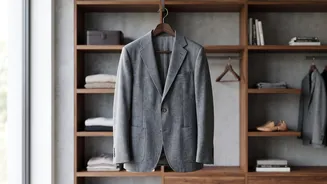
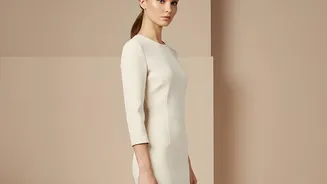
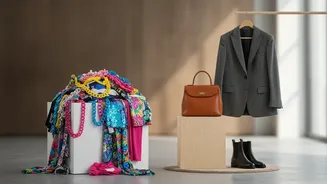
A major force behind the wearable wardrobe movement is the concept of 'quiet luxury'. This trend rejects loud logos and flashy branding in favour of understated elegance, superior craftsmanship, and high-quality materials. Think of a perfectly tailored coat, a simple cashmere sweater, or a leather bag with no visible logo—pieces that signal taste and confidence through their inherent quality, not through a brand name. Quiet luxury is the antithesis of fast fashion; it's about investing in timeless, durable items that transcend seasonal fads. It's a philosophy that champions personal style over mass trends, encouraging a more intentional and discerning approach to building a closet.
A Stand Against Throwaway Culture
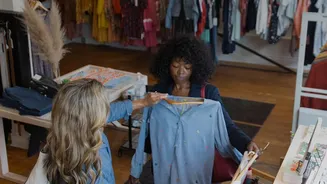
The push for wearability is also a direct reaction to the environmental and ethical problems of the fast fashion industry. With the industry producing billions of garments annually, consumers are becoming increasingly aware of the tremendous waste involved. The desire for a more sustainable closet has many people choosing to buy less but buy better. Building a wearable wardrobe means selecting pieces that are designed to last, repairing them when needed, and getting to know the fabrics you're investing in. It’s a move away from the cycle of overproduction and disposability towards a more mindful relationship with our clothes, where each item is valued and cared for.
Crafting Your Forever Closet
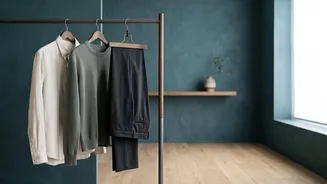
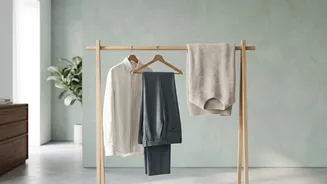
So, how do you build a more wearable wardrobe? Start by understanding your personal style, separate from fleeting trends. A closet audit can be revealing, helping you see what you already have and identify the true gaps. Focus on acquiring versatile staples—think a great pair of jeans, classic knits, and a timeless jacket—that can be mixed and matched in numerous ways. Pay attention to fabric quality and construction, as these determine an item's longevity. And remember, the goal isn't to have a boring wardrobe, but a functional one that serves your lifestyle and makes you feel confident every single day.