





The Engine in the Arabian Sea
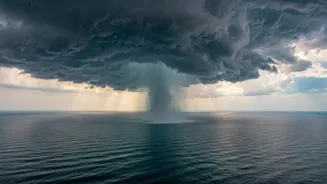
The source of this unexpected weather is a well-marked cyclonic circulation that has established itself over the east-central Arabian Sea. Think of it as a large, atmospheric whirlpool spinning counter-clockwise. Unlike a full-blown cyclone, it doesn't
have an 'eye' and its winds are not as destructive, but its influence is vast. This system is acting like a powerful engine, gathering immense amounts of moisture from the warm sea waters. This moisture-laden air is then pulled inland, directly into the path of Central India, creating the perfect conditions for widespread rain and cloud cover.
How It's Changing the Weather
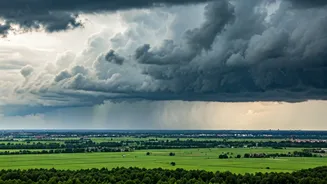
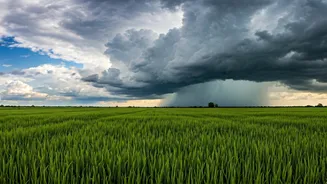
The primary effect of this circulation is the disruption of the normal post-monsoon pattern. Typically, by this time of year, the monsoon has withdrawn, leading to clearer skies, a significant drop in humidity, and the gentle onset of cooler, drier weather. Instead, this system has slammed the brakes on that transition. The influx of moist air from the Arabian Sea is creating a highly unstable atmosphere over the mainland. This instability, when combined with daytime heating, results in the formation of dense clouds, leading to scattered to widespread rainfall, thunderstorms, and a noticeable drop in daytime temperatures due to the persistent cloud cover. It's essentially extending a monsoon-like environment into a season that should be dry.
Which Regions Are Most Affected?
The impact zone of this weather system is extensive, stretching across a significant portion of Central and parts of Western India. According to the India Meteorological Department (IMD), the states bearing the brunt of this activity are Maharashtra, Madhya Pradesh, and Gujarat. In Maharashtra, regions like Konkan, Goa, and Madhya Maharashtra are experiencing moderate to heavy spells of rain. Similarly, southern and western Madhya Pradesh are witnessing unseasonal showers and thunderstorms. Parts of southern Gujarat are also under its influence. This moisture plume is so significant that it's even extending its reach into parts of southern Rajasthan and influencing weather patterns there.
A Roadblock for Monsoon Withdrawal
One of the most significant consequences of this Arabian Sea system is its impact on the Southwest Monsoon's withdrawal. The withdrawal of the monsoon is a delicate process that requires a change in wind patterns, specifically the establishment of anti-cyclonic circulations and dry north-westerly winds. This powerful, moisture-pulling cyclonic circulation is doing the exact opposite. It's maintaining a flow of moist south-westerly winds, effectively halting the monsoon's retreat from the remaining parts of the country. Forecasters note that the withdrawal line has remained static for days, unable to progress further south due to this opposing force.
What to Expect Next
Meteorologists predict that the cyclonic circulation is likely to persist for a few more days, slowly moving in a west-north-westerly direction away from the Indian coast. As it moves further into the sea, its direct influence on the Indian mainland will begin to wane. This means the unseasonal rainfall over Central India is expected to gradually decrease. Once the system weakens and moves away, the conditions will become favourable for the monsoon withdrawal to resume. Residents in the affected states can expect a return to more typical, drier post-monsoon weather soon after the system dissipates, finally paving the way for the arrival of winter.