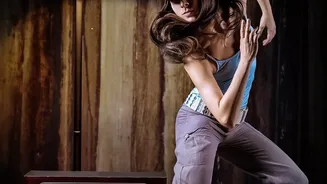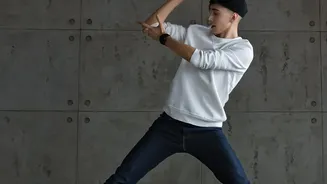


What Exactly Is Freestyle Dance?
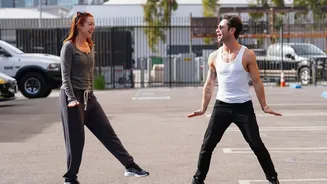
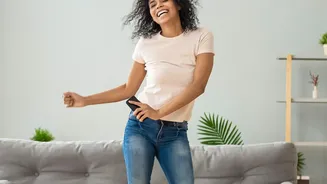
Freestyle dance, at its core, is improvisation. Instead of learning a set routine, you create movements spontaneously in response to the music and your own feelings. It’s the kind of dancing you do in your living room when your favourite song comes on. This
approach isn't a single style but can be applied to any genre, from hip-hop to jazz. The entire point is to let go of rules and express yourself, making it a powerful tool for both physical fitness and mental release. There's no right or wrong way to do it; the only goal is to move.
The Benefits Beyond Burning Calories
While freestyle dancing is an excellent full-body workout that improves cardiovascular health, coordination, and balance, its biggest advantages might be mental. Moving freely can be a huge stress reliever, releasing endorphins that naturally boost your mood. Studies have shown that this form of unchoreographed 'conscious dance' can significantly reduce symptoms of anxiety and depression, helping you feel more present and connected to your body. It builds confidence by encouraging you to take up space and be unapologetically yourself, fostering a sense of empowerment that has nothing to do with perfecting a specific move.
Finding Your Rhythm: The First Step
Before you even think about specific steps, the first and most important technique is to listen to the music. Put on a song with a clear, consistent beat. Don't try to dance yet—just find the rhythm. Bob your head or tap your foot. Once you feel in sync with the beat, start shifting your weight from side to side. This simple act of connecting to the music is the foundation of all freestyle dance. The goal is to let the music guide your body, not to force movements onto the music.
Four Beginner Moves to Get You Started
Once you're comfortable with the beat, you can start incorporating simple, foundational moves. You don't need complex tricks. Start with these four: 1. The Two-Step: This is the most universal dance move. Step to the right with your right foot, then bring your left foot to meet it. Repeat on the left side. It’s a simple 'step-together, step-together' pattern that keeps you moving with the rhythm. 2. The Step-Touch: Similar to the two-step, you step to the side with one foot and then simply tap the other foot beside it without putting your full weight down. This is a great base from which you can add other movements. 3. Shoulder Rolls and Grooves: Don't forget your upper body. While your feet are doing a simple step-touch, try rolling your shoulders forward or backward to the beat. This adds another layer to your movement without being complicated. 4. The Body Bounce: A simple, controlled bounce by slightly bending and straightening your knees is an easy way to stay on beat and keep your body loose. It’s a natural movement that helps you relax into the music.
How to Structure Your Freestyle Workout
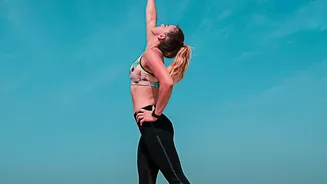
To turn your freestyle session into a proper workout, give it a simple structure. Start with a five-minute warm-up of light cardio and dynamic stretches like hip rolls to prepare your body. For the main part of your workout, create a 15- to 20-minute playlist with a mix of tempos. Start moving with the basic steps and let yourself experiment as you feel more comfortable. Don't worry about what you look like. The goal is continuous movement. Finish with a five-minute cool-down, using slower music and gentle stretches. For beginners, aiming for two or three sessions a week is a great way to build a habit.