







Pack Smart, Stay Dry
Your monsoon travel success begins with your suitcase. Prioritise lightweight, synthetic fabrics like polyester and nylon that dry quickly. Heavy materials such as denim and thick cotton become uncomfortable and take ages to dry in the humid conditions.
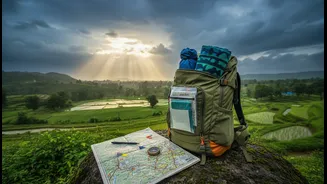
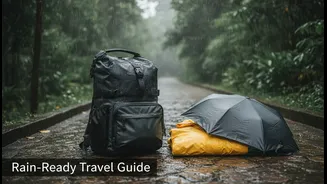
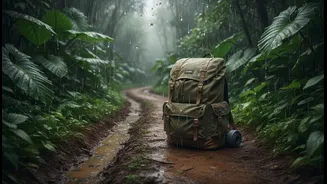
Opt for dark-coloured clothing to better hide mud splatters from unavoidable puddles. A high-quality, lightweight raincoat or poncho is non-negotiable, as is a sturdy, wind-resistant umbrella. For footwear, waterproof sandals or floaters with good grip are your best friends for navigating slippery streets. Avoid leather shoes and heels. Pack an extra pair of shoes to allow one pair to dry completely. A waterproof cover for your backpack is essential to protect your belongings during downpours.
Prioritise Health and Hygiene
The monsoon season can be a breeding ground for germs and infections. The risk of waterborne diseases like cholera and gastroenteritis increases due to potential water contamination. Always drink bottled, boiled, or purified water and ensure the seal is intact. Be wary of street food, especially items that are uncooked or have been sitting out. High humidity accelerates food spoilage. Stick to freshly cooked, hot meals from hygienic establishments. A personal medical kit is crucial. Pack it with essentials like antiseptic cream, bandages, insect repellent, and medications for common ailments like fever, coughs, and stomach upsets. Mosquito-borne diseases like dengue and malaria are also more prevalent, so use a strong repellent and wear long-sleeved clothing, especially in the evenings.
Navigate Transport Challenges
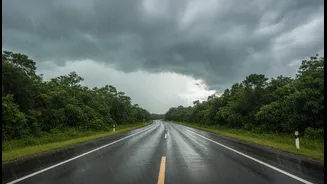
Monsoon travel requires flexibility. Heavy rains can lead to significant transport disruptions across road, rail, and air networks. Flooding, waterlogging, and landslides can cause road closures and long traffic jams, particularly in hilly regions and major cities like Mumbai. Before heading out, always check the weather forecast and any advisories from local authorities. If driving, reduce your speed on wet roads, maintain a safe distance from other vehicles, and use headlights for better visibility. Train and flight schedules are also susceptible to delays and cancellations. Airports in cities like Mumbai and Kolkata are frequently affected. Build buffer days into your itinerary to account for potential delays and have a backup plan for local transport, as app-based cab prices can surge during downpours.
Protect Your Gadgets
Protecting your electronic devices from moisture is a modern travel necessity. High humidity alone can damage sensitive electronics, even without direct rain exposure. Invest in waterproof cases for your smartphone and camera. For an extra layer of security, use zip-seal plastic bags or dedicated dry bags to store your phone, chargers, power banks, and documents. Power cuts can be common during heavy rains, so a fully charged power bank is an essential part of your kit. When you're not using them, keep your devices tucked away in a waterproof backpack or case. Throwing a few silica gel packets into your electronics bag is a great pro-tip to absorb excess moisture.
Choose Your Destination Wisely
While the monsoon enhances the beauty of many parts of India, some regions are best avoided. Landslide-prone Himalayan destinations like parts of Uttarakhand and Himachal Pradesh can be risky. Similarly, coastal areas might experience rough seas, making beach activities unsafe and many shacks and resorts may be closed. Instead, consider exploring the lush green hill stations of the Western Ghats, such as Munnar in Kerala, or the less rain-affected parts of Rajasthan, which become vibrant and pleasant. Destinations with a mix of indoor and outdoor attractions are a smart choice, allowing you to have alternatives when the rain is too heavy for sightseeing. Always research your specific destination's monsoon conditions before booking your trip.