




The Green Mandate Meets Reality
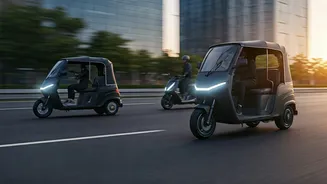
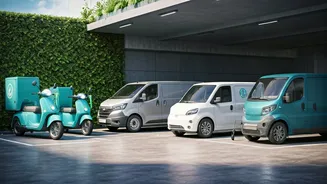
Major e-commerce and food delivery platforms have set ambitious goals to electrify their entire fleets by 2030, aligning with India's broader climate objectives. Companies like Flipkart and Zomato are part of the EV100 initiative, a global commitment
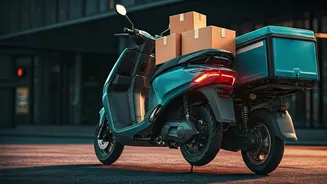
to accelerate the transition to electric vehicles. On the surface, this is a win-win: companies burnish their green credentials, and cities get cleaner air. However, the operational reality of this transition reveals a critical gap. The strategy largely relies on individual delivery partners—gig workers without fixed salaries or benefits—to procure, manage, and operate these EVs. While platforms see this as a necessary step, for the partners on the ground, it presents a complex set of challenges that go far beyond simply swapping a petrol scooter for an electric one.
The High Cost of Going Green
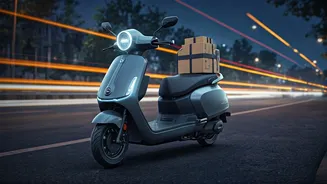
The single biggest hurdle for delivery partners is the high upfront cost of an EV. An electric two-wheeler can be 1.5 times more expensive than its petrol counterpart. While the total cost of ownership is lower over time due to fuel savings, this initial barrier is often insurmountable for gig workers. A Flipkart study found that while nearly half of its partners are willing to switch, access to financing is a primary obstacle. Traditional banks are often hesitant to lend to gig workers who lack formal credit histories or salary slips. This has led to the rise of Non-Banking Financial Companies (NBFCs) and rental models, but loan rates can be 5-14% higher than for conventional vehicles, and weekly rental costs can range from ₹1,000 to over ₹2,000. Even with fuel savings that can reach ₹5,000 a month, the immediate financial burden remains a significant deterrent.
Charging vs. Swapping: An Unsolved Puzzle
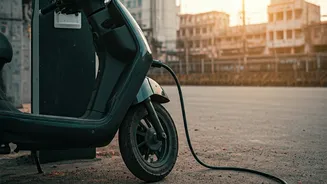
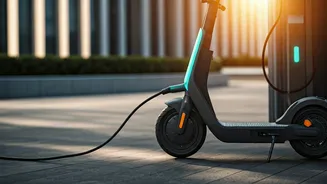
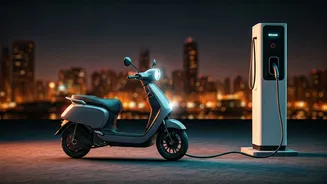
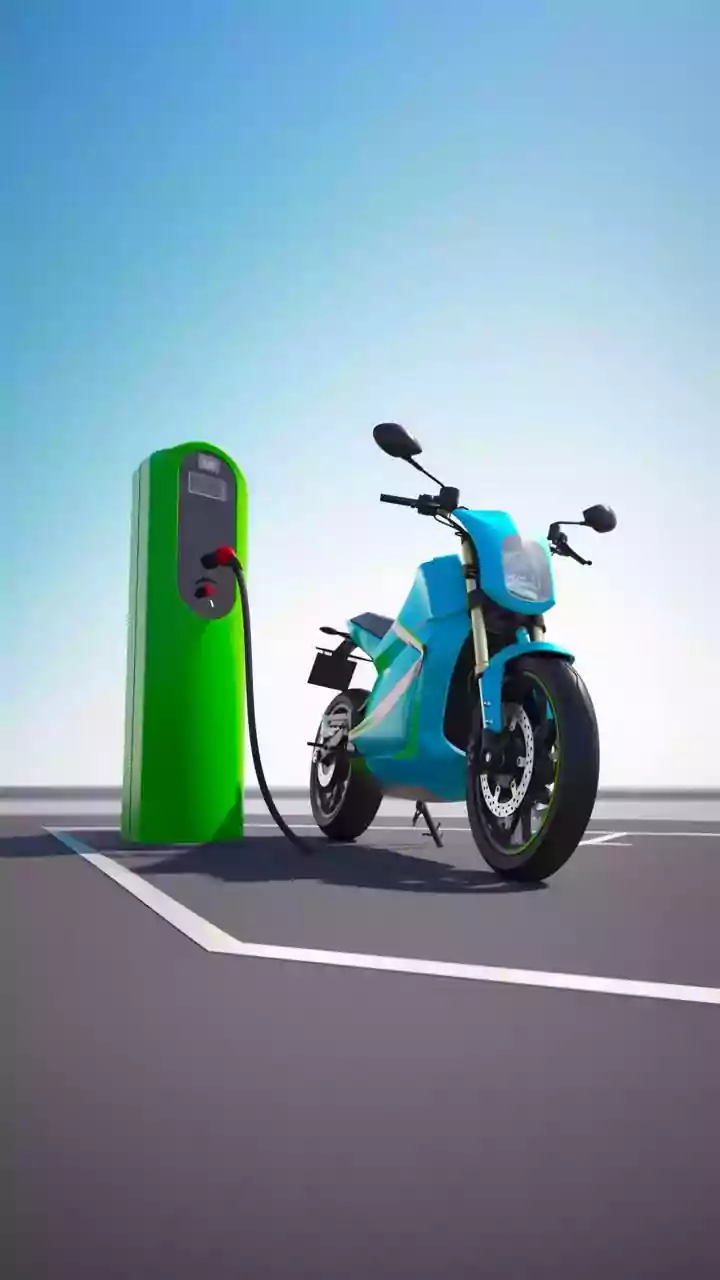
Beyond cost, there's the daily operational headache of keeping the vehicle powered. A delivery partner’s income is directly tied to their time on the road; every minute spent charging is a minute without earnings. Traditional charging can take hours, which is unfeasible for a job that demands near-constant uptime. This has given rise to battery swapping, a model where a depleted battery is exchanged for a full one in minutes. While ideal for time-sensitive delivery work, swapping infrastructure is still limited, with only about 2,600 stations compared to over 26,000 charging stations as of early 2025. This infrastructure is also concentrated in Tier-1 cities, leaving partners in other areas with few options. Furthermore, a lack of battery standardization means a partner is often locked into a specific provider's network, limiting their flexibility.
What Real Support Looks Like
For the EV transition to be successful and equitable, delivery platforms must move beyond mandates and offer comprehensive support. This starts with facilitating access to affordable financing. Some platforms are taking steps in the right direction. Flipkart's 'EV Assist' program, for instance, is a digital marketplace that connects partners with verified rental and leasing options. Zomato is also piloting EV rental fleets in Delhi-NCR. But more is needed. True support means creating tripartite agreements between platforms, OEMs, and financial institutions to de-risk lending and lower interest rates. It means investing directly in a dense, open network of battery-swapping stations, or ensuring charging hubs are located at partner hotspots to minimize downtime. It also means providing transparent information on vehicle performance and maintenance support, reducing the day-to-day friction for partners.
A Shared Responsibility for a Sustainable Future
Ultimately, placing the entire burden of the green transition on the gig worker is not only unfair, it's unsustainable. Platforms, vehicle manufacturers, and policymakers have a shared responsibility. Companies benefit from the positive PR and operational savings of an EV fleet, and they must invest in the ecosystem that makes it viable for their partners. This isn't just about corporate social responsibility; it's a strategic imperative. An efficient, well-supported EV fleet is a competitive advantage. If the partners who form the backbone of the last-mile delivery network are struggling with financial stress and operational hurdles, the entire system falters. Supporting them properly is the only way to ensure India's delivery ecosystem can transition to a future that is not just electric, but also equitable.