





From Groceries to Gadgets
The initial promise of quick commerce was simple: get your daily essentials delivered almost instantly. Platforms like Blinkit, Zepto, and Swiggy Instamart built their empires on this premise. However, the game has changed. These platforms are no longer
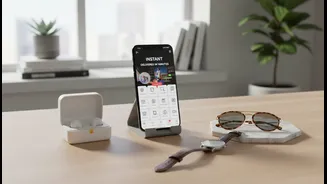
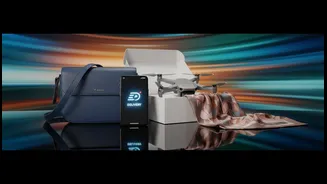
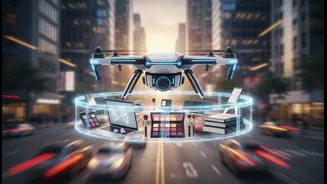
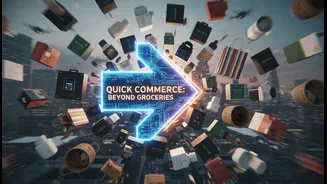
just for topping up your pantry. A quick browse today reveals an expanding universe of products, including electronics, apparel, beauty products, home appliances, and even toys. Zepto, for instance, has expanded its offerings to over 45,000 products. This strategic shift means you can now get a new pair of headphones or a last-minute birthday gift delivered with the same speed you'd expect for a carton of milk. It’s a deliberate move to become the first app a consumer opens for any shopping need.
The Quest for Profitability
The expansion beyond groceries is not just about offering more choice; it's a calculated business strategy driven by the need for profitability. Groceries are notoriously low-margin items, making it difficult to build a sustainable business on them alone. By venturing into categories like electronics, fashion, and home goods, quick commerce companies can tap into products with much higher profit margins. This diversification increases the average order value (AOV) and helps offset the high operational costs associated with running a network of dark stores and maintaining a fleet of delivery riders. According to some estimates, these non-grocery categories already account for 20-25% of gross sales on these platforms, a significant jump from just a few years ago.
Remaking Urban Retail as We Know It
This evolution is sending ripples through the entire retail ecosystem. The backbone of this model is the 'dark store'—mini-warehouses strategically located in dense urban areas to facilitate rapid deliveries. The number of these stores has exploded, with the top players operating thousands of locations across the country. This is fundamentally changing urban logistics and putting immense pressure on traditional brick-and-mortar stores, especially the local kirana shops that form the heart of Indian retail. While some stores are finding ways to partner with these platforms, others face intense competition on price and convenience. The big question remains: can the corner store coexist with the dark store?
The Logistical Labyrinth
Delivering a smartphone or a designer handbag in 15 minutes presents a completely different set of challenges than delivering a loaf of bread. Managing a diverse inventory with thousands of stock-keeping units (SKUs) is a complex logistical puzzle. Companies are having to build larger dark stores to accommodate bigger and more valuable items. Furthermore, ensuring the quality and safety of high-value goods during transit, handling returns for items like apparel, and maintaining delivery speed without compromising service quality are significant hurdles. Success depends on mastering this complex logistical ballet, where any misstep can be costly.
What's Next for 10-Minute Delivery?
The ambition of quick commerce platforms doesn't stop here. Some are already piloting services like at-home beauty services and the delivery of construction materials. Zepto has even launched pilot projects for premium products under 'Super Mall' and healthcare services with 'Zepto Diagnostics'. This indicates a move towards becoming an all-encompassing service ecosystem. The market is expected to continue its explosive growth, potentially reaching $65-70 billion by 2030. As these platforms continue to blur the lines between e-commerce, logistics, and service delivery, they are not just changing how we buy things—they are reshaping the very fabric of urban convenience.