



The Dangers of an Unhealthy Mouth
It’s easy to overlook what’s happening inside your pet’s mouth, but poor dental hygiene can lead to serious health issues. The most common is periodontal disease, an infection of the tissues supporting the teeth. Shockingly, by the age of three, up to 80%
of dogs and 70% of cats show signs of this condition. It begins with plaque, a sticky film of bacteria, which hardens into tartar. This buildup causes gum inflammation (gingivitis), leading to red, swollen gums that may bleed. If left untreated, the infection progresses, destroying gum tissue and bone, causing intense pain and eventual tooth loss. Pets often hide their pain, so owners might not notice a problem until it's severe.
More Than Just Bad Breath
While bad breath is often the first sign pet owners notice, it's just the tip of the iceberg. The real danger of advanced periodontal disease is its systemic impact. Bacteria from the infected mouth can enter the bloodstream and travel throughout the body. Veterinary studies have linked poor oral health to an increased risk of serious conditions affecting the heart, kidneys, and liver. The chronic inflammation puts a constant strain on the entire body, which can worsen existing illnesses like diabetes. In essence, a healthy mouth is a gatekeeper for your pet’s overall wellness, and neglecting it can compromise their long-term health and even shorten their lifespan.
Daily Brushing: The Gold Standard
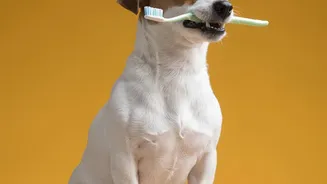
Veterinary professionals are united in their recommendation: daily tooth brushing is the single most effective way to maintain your pet's oral health at home. Just like with our own teeth, brushing physically removes plaque before it can mineralise into hard tartar. While dental chews, special diets, and water additives can help, they are considered supplements, not replacements, for the mechanical action of a toothbrush. Think of it this way: you wouldn't rely solely on mouthwash to keep your teeth clean, and the same logic applies to your pet. Brushing every other day can offer some benefit, but anything less frequent is not enough to effectively prevent plaque buildup.
A Step-by-Step Guide to Brushing
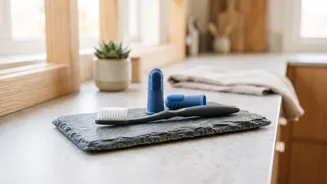
Introducing tooth brushing to your pet can feel daunting, but patience and positive reinforcement are key. It's easiest to start when they are a puppy or kitten, but older pets can learn too. 1. Choose the Right Tools: You'll need a pet-specific toothpaste and a soft-bristled toothbrush. Human toothpaste is toxic to pets if swallowed. Pet toothpastes are safely digestible and come in appealing flavours like poultry or malt. 2. Start Slowly: Begin by letting your pet lick a small amount of toothpaste off your finger. Do this for a few days so they associate the taste with a positive treat. 3. Introduce the Sensation: Gently rub your finger with the toothpaste along their gums and teeth for a few seconds. Follow up with praise and a favourite reward. Focus on making it a happy, low-stress experience. 4. Bring in the Brush: Once they are comfortable, introduce the toothbrush. Let them investigate it first. Hold the brush at a 45-degree angle to the gumline and use gentle, circular motions on the outside surfaces of the teeth. You don't need to worry about the inside surfaces, as their tongue does a decent job there. Start with just a few teeth and gradually increase the duration as they become more tolerant.
Overcoming Hurdles and When to See a Vet
Some pets will resist brushing. If your pet shows signs of pain, such as pulling away or crying, stop immediately and consult your veterinarian. An existing dental issue might be causing discomfort. For particularly resistant pets, a combination of dental wipes, gels, and approved chews is better than nothing, but it's wise to discuss this plan with your vet. It's also important to remember that home care complements, but does not replace, professional veterinary dental cleanings. These cleanings, performed under anaesthesia, are necessary to remove tartar below the gumline and to take X-rays that reveal problems hidden from view. In India, where soft, homemade diets of rice and roti can accelerate plaque buildup, this professional oversight is even more critical.