


The Viral Skincare Sensation
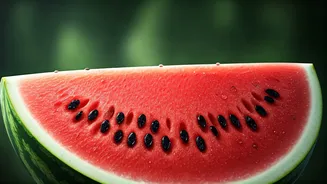
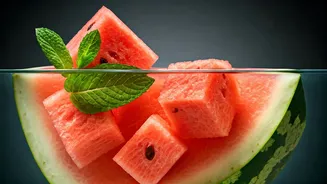
From reels to short videos, the trend is undeniable. Influencers and DIY beauty enthusiasts are championing watermelon as a miracle skin treatment. The methods vary: some use the rind to cool and de-puff the skin, others apply the fresh pulp as a mask,
and many simply rub a juicy slice directly on their face. The claims are enticing: instant hydration, soothed sunburn, reduced redness, and that coveted ‘glass skin’ look. Given that watermelon is 92% water and packed with vitamins, using it topically seems logical. It feels refreshing, and the instant cooling effect on a hot day is certainly real. But does this sensation translate into long-term skin benefits?
A Reality Check on Topical Application
While the idea is appealing, the science behind rubbing raw fruit on your face is less robust than you might think. Your skin is an incredibly effective barrier, designed to keep things out. The large molecules of vitamins and antioxidants found in a fresh slice of watermelon cannot easily penetrate the skin’s outer layer to work their magic deep within. Cosmetic science solves this by using concentrated, lab-stabilized extracts with specific delivery systems. A DIY watermelon mask is not the same. Furthermore, the natural sugars in the fruit can leave a sticky residue, potentially attracting dust and insects, or even feeding acne-causing bacteria for some skin types. For those with sensitivities, the fruit’s natural acids could also cause irritation.
The Ultimate Hydrator: From the Inside Out
Now, let’s talk about where watermelon truly shines: as part of your diet. Its most powerful benefit is hydration. In the sweltering Indian heat, staying hydrated is crucial not just for your energy levels but for your skin’s health and appearance. Dehydrated skin can look dull, tired, and sunken. Eating a few hundred grams of watermelon is like drinking a glass of nutrient-infused water. This internal hydration plumps up skin cells from within, giving you a genuine, healthy glow that no topical application can replicate. It’s the simplest, most effective way to use the fruit’s high water content for your skin’s benefit.
A Cocktail of Skin-Loving Nutrients
Beyond water, watermelon is a nutritional powerhouse. It’s an excellent source of Vitamin C, a crucial component for collagen production. Collagen is the protein that keeps your skin firm and youthful. It’s also rich in Vitamin A, which helps repair skin cells and fights off damage. But its star ingredient is lycopene, a powerful antioxidant that gives watermelon its vibrant red colour. Studies have shown that consuming lycopene can help protect your skin from sun damage and oxidative stress from the inside. Think of it as an edible, internal sunscreen that complements your topical SPF. You get none of these deep, cellular-level benefits by simply rubbing the fruit on your skin’s surface.
The Secret Weapon: Citrulline
Watermelon also contains a unique amino acid called citrulline. The body converts citrulline into another amino acid, arginine, which plays a key role in improving blood circulation. Better blood flow means that more oxygen and essential nutrients are delivered efficiently to all your organs, including your largest one: your skin. This enhanced nutrient delivery system helps your skin repair itself, stay healthy, and maintain a vibrant look. This is a systemic benefit that improves your entire body's function, something a topical application simply cannot achieve. By eating watermelon, you’re feeding your skin in the most profound way possible.