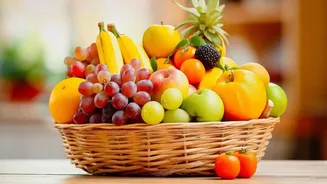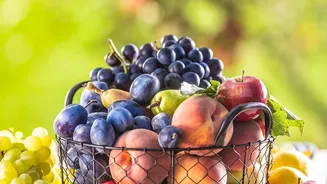




The Frustration of the Fruit Bowl
We’ve all been there. One day, the bananas are green and the avocados are like stones. Seemingly overnight, everything is spotty, soft, and heading for the bin. This common kitchen problem leads not only to wasted food but also to wasted money. Globally,
food waste is a significant issue, with households contributing a substantial portion. Much of this comes from perishable items like fruits and vegetables that are bought with good intentions but spoil before they can be eaten. The key to breaking this pattern is to stop thinking of fruit shopping as a single purchase for the week and start seeing it as a staggered investment in ripeness. By understanding how different fruits mature, you can create a system that delivers perfectly ripe produce every day of the week, saving you money and ensuring you always have a healthy snack ready.
Understanding How Fruits Ripen
Fruits fall into two main categories based on how they ripen: climacteric and non-climacteric. Knowing the difference is your secret weapon. Climacteric fruits are those that continue to ripen after being picked. They produce a natural gas called ethylene, which accelerates the ripening process. This group includes popular choices like mangoes, bananas, papayas, apples, and avocados. You can buy these when they are still firm and allow them to ripen on your kitchen counter. Non-climacteric fruits, on the other hand, do not ripen further once they are harvested. They need to be picked at their peak. This category includes citrus fruits like oranges, grapes, pineapples, and berries such as strawberries. What you see at the store is what you get. Buying underripe grapes or strawberries with the hope they will sweeten up at home will only lead to disappointment.
The Three-Stage Shopping Strategy
To ensure a steady supply of fruit, divide your shopping list into three categories based on when you plan to eat them: 'Eat Now,' 'Ready Mid-Week,' and 'Ready Later.'
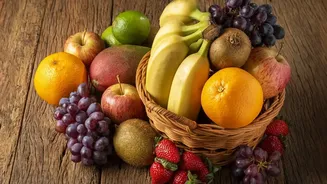
- Eat Now (Ripe and Ready): This portion of your cart should include fruits that are perfectly ripe and ready to be enjoyed in the next 1-2 days. This is where non-climacteric fruits shine. Think plump berries, juicy grapes, and fragrant, ready-to-cut pineapple. You can also include climacteric fruits that are already ripe, like a yellow banana or a soft peach.
- Ready Mid-Week (Nearly Ripe): This is for your climacteric fruits that need just a few more days. Look for bananas that are still slightly green, avocados that are firm but not hard, and mangoes that have good colour but are still firm to the touch. These will be perfect for Wednesday or Thursday.
- Ready Later (Firm): For the end of the week and the weekend, select firm, underripe climacteric fruits. Choose green bananas, rock-hard avocados, and firm pears or plums. These will slowly ripen over several days, ensuring you don't run out of fresh options before your next shopping trip.
Smart Storage for Perfect Timing
Where you store your fruit is just as important as how you buy it. You can use storage techniques to either speed up or slow down the ripening process. Ethylene-producing fruits like apples and bananas can act as natural ripeners for other climacteric fruits. If you want to ripen an avocado or a pear more quickly, place it in a paper bag with a banana. The bag will trap the ethylene gas and speed up the process. Conversely, if you want to slow things down, keep your ethylene-producing fruits separate from other produce. Once a fruit reaches your desired level of ripeness, you can often extend its life by moving it to the refrigerator. Cold temperatures slow down the production of ethylene and the overall ripening process. A ripe peach or papaya can last several extra days in the fridge, but be aware that refrigeration can sometimes alter the texture of certain fruits.
Building Your Weekly Fruit Roster
Let’s put this all into practice with a sample weekly plan. On your shopping day, you might buy a punnet of ripe strawberries and some grapes (Eat Now). You could also grab a couple of yellow bananas. For your mid-week supply, pick up some slightly green bananas and a papaya that is mostly yellow but still firm (Ready Mid-Week). For the latter part of the week, add a few firm mangoes and some hard pears to your cart (Ready Later). This way, you enjoy the berries and ripe bananas on Monday and Tuesday. By Wednesday, the other bananas and papaya are perfect. Come Friday, your mangoes and pears will have softened into sweet, juicy treats. This simple, mindful approach turns your fruit bowl from a source of anxiety into a reliable, rotating supply of delicious and healthy food.