





An Act of Love
In many Indian households, food is the ultimate language of love and hospitality. We share it during celebrations, offer it to guests, and use it to comfort our loved ones. It’s a beautiful tradition that naturally extends to our pets. Giving a treat
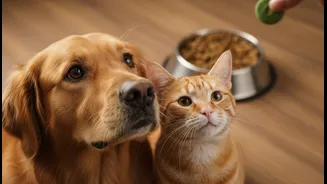
is more than just feeding; it’s a way we communicate affection, reward good behaviour, or ease our guilt after a long day at work. When your pet looks at you with those pleading eyes, offering a tidbit feels like the most natural response. This act strengthens the bond we share, releasing pleasure-inducing chemicals like dopamine in our pets' brains that make them happy and reinforce the connection.
When 'A Little' Becomes Too Much
The problem isn't the single treat; it's the accumulation. A biscuit here, a piece of chapati there, and a few table scraps can add up quickly, often without us noticing. This is especially true for smaller pets, where a single treat can be the caloric equivalent of a person eating a large snack. Experts advise that treats should make up no more than 10% of a pet's total daily calorie intake. Anything more can lead to a nutritional imbalance, as treats often lack the essential vitamins and minerals found in balanced pet food. This gradual overfeeding, or “calorie creep,” is one of the main reasons so many pets today are overweight.
The Hidden Health Costs
A chubby pet might look cute, but the extra weight carries significant health risks that can impact their quality of life and even shorten it. Vets warn that obesity in pets is linked to a range of serious conditions. Excess weight puts immense strain on joints, leading to painful arthritis and mobility issues. It also increases the risk of developing diabetes, heart and respiratory problems, kidney disease, and certain types of cancer. Overweight pets may tire easily, struggle with breathing, and have a decreased immune function, making them more susceptible to illness.
Is Your Pet Overweight? A Quick Check
It can be hard to notice gradual weight gain, especially with fluffy animals. Here are two simple checks you can do at home. First, the rib test: Gently run your hands along your pet's sides. You should be able to feel their ribs with light pressure, similar to feeling the back of your hand. If you have to press hard to feel them, your pet may be carrying too much fat. Second, the waist check: Look at your pet from above. You should see a visible, gentle curve inwards behind the ribs, creating an hourglass shape. If their body is oval or straight, it's a sign of excess weight. For a definitive answer, always consult your veterinarian.
Healthier Ways to Show Affection
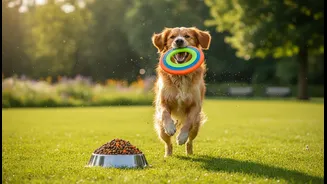
Reducing treats doesn't mean reducing love. There are many calorie-free ways to spoil your pet. Extra playtime, a long walk, a vigorous game of fetch, or a gentle grooming session can be just as rewarding. Verbal praise and lots of petting also strengthen your bond. When you do offer food rewards, opt for healthier alternatives. Many dogs and even some cats enjoy the crunch of fresh vegetables like carrots, green beans, or cucumber slices. Small pieces of boiled, unseasoned chicken are also a great high-value treat. You can also look for commercial low-calorie treats or simply break their usual treats into smaller pieces to make them last longer.
Getting the Family on Board
One of the biggest challenges can be getting the whole family to follow the new rules. Grandparents, children, and guests are often the guiltiest parties when it comes to sneaking treats. Have a gentle but firm conversation with everyone in the household. Explain that this change isn't about being mean, but about keeping the pet healthy and ensuring they live a long, happy life. You can even prepare a small container of approved, pre-portioned healthy snacks that everyone can use. This way, they can still participate in the joy of treating the pet, but in a way that supports its overall well-being.