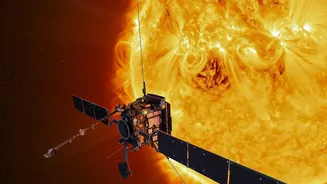

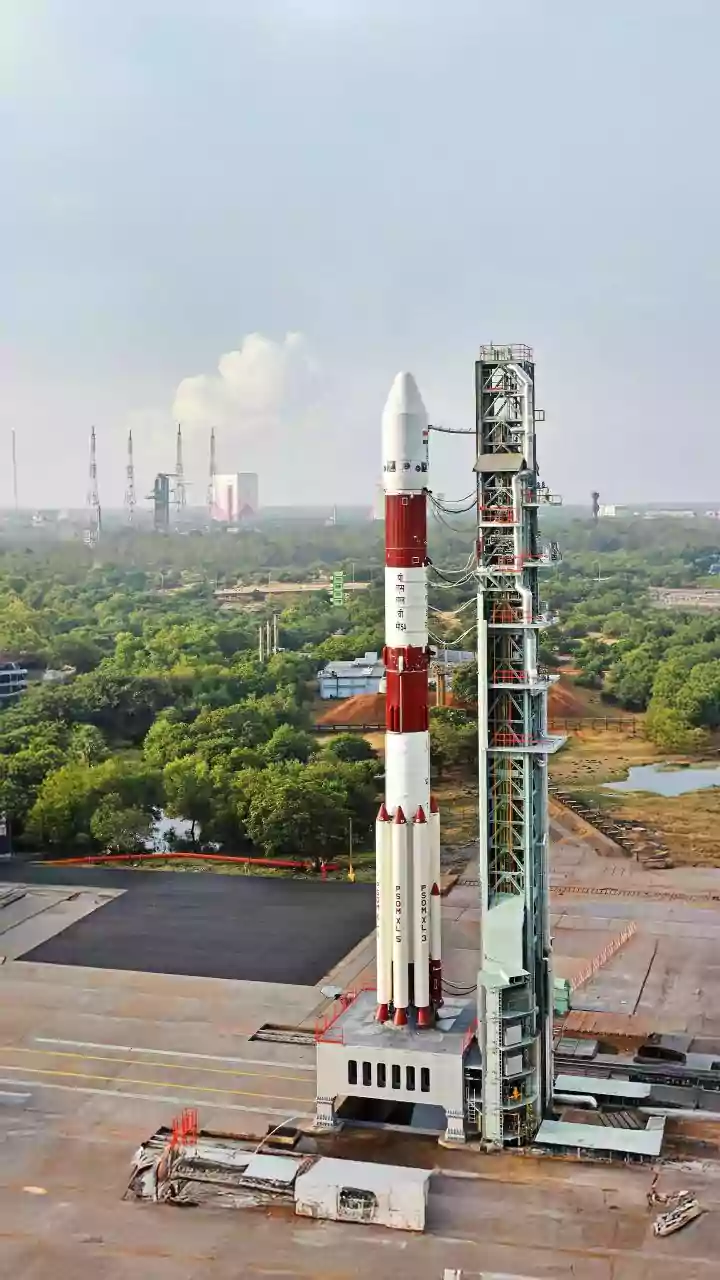

India's eye on the Sun, the Aditya-L1 spacecraft, is busy unlocking solar secrets. Its latest focus involves analyzing the speed of the solar wind, giving scientists a powerful new tool to predict space weather and protect our planet.
India’s Outpost in Space
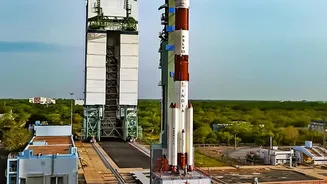
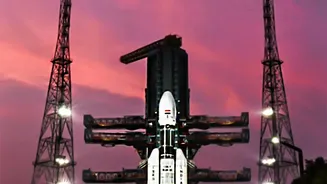
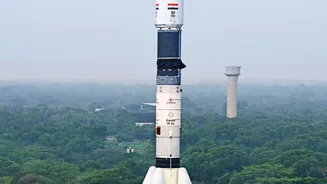
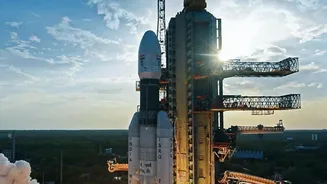
Launched by the Indian
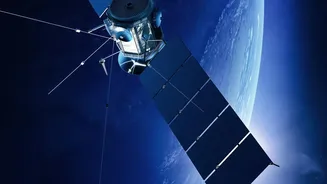
Space Research Organisation (ISRO), Aditya-L1 is the nation's first dedicated solar observatory. It is strategically positioned at Lagrange Point 1 (L1), about 1.5 million kilometres from Earth. This unique vantage point allows the spacecraft to continuously observe the Sun without any interruption from eclipses or Earth's shadow. Its primary mission is to study the Sun's atmosphere, its eruptive events like solar flares, and the dynamics of space weather. This constant stream of data is foundational to understanding our star's influence on the solar system.
Decoding the Solar Wind
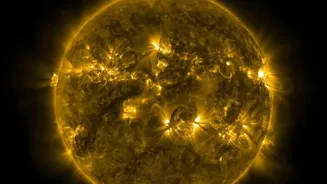
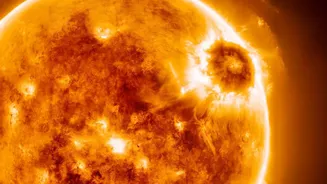
The Sun constantly emits a stream of charged particles known as the solar wind, which flows outward across the solar system at incredible speeds. This isn't a gentle breeze; it's a dynamic flow of plasma that can vary in speed, density, and temperature. These variations are driven by activity on the Sun's surface. Understanding the solar wind is critical because it's the primary medium through which solar events, like Coronal Mass Ejections (CMEs), travel toward Earth. Think of it as the river that carries potentially disruptive solar storms to our cosmic doorstep. Direct measurements are essential to knowing what's coming our way.
The ASPEX Instrument at Work
To measure the solar wind, Aditya-L1 relies on a key payload: the Aditya Solar wind Particle EXperiment (ASPEX). This sophisticated instrument package began its operations shortly after the mission commenced and is performing its functions as expected. ASPEX is composed of two main components: the Solar Wind Ion Spectrometer (SWIS) and the SupraThermal and Energetic Particle Spectrometer (STEPS). SWIS is specifically designed to measure the direction and energy of solar wind ions, primarily protons and alpha particles (helium nuclei). By analyzing the flow of these particles, scientists can determine the solar wind's velocity and density with high precision.
Why Velocity Is the Magic Ingredient
Measuring the velocity of the solar wind isn't just about knowing how fast it's moving. The speed tells scientists a great deal about the wind's origin and potential impact. Solar wind is broadly categorized into two types: a slower wind moving at about 400 km/s and a fast wind that can reach 700 km/s or more. Changes in velocity, along with shifts in the ratio of alpha particles to protons, can act as an early warning sign for the arrival of a CME. These massive bubbles of plasma can cause significant geomagnetic storms if they hit Earth. By analyzing velocity data from ASPEX, scientists can better predict the arrival time and potential intensity of such events.
Forecasting for a Safer Earth
This all leads to the primary goal: improving space weather forecasts. Space weather refers to conditions in space that can affect Earth and its technological systems. Intense solar events can disrupt satellite operations, interfere with GPS and navigation systems, damage power grids on the ground, and pose a radiation risk to astronauts. By providing real-time, in-situ data on solar wind conditions, Aditya-L1 gives authorities an early warning—potentially from 30 to 60 minutes or more—to take protective measures. This includes putting satellites into safe mode, rerouting flights, and preparing electrical grids for potential surges.
A Milestone for Indian Science
The data flowing from Aditya-L1's instruments marks a significant step for India, transitioning the nation from a consumer of space weather data to a key producer. The mission's findings not only contribute to a global understanding of solar physics but also bolster India's capability to protect its own rapidly growing space and ground-based infrastructure. The successful operation of payloads like ASPEX and the crucial insights they provide on phenomena like solar wind velocity underscore the mission's importance. It cements India's position as a major player in space science and enhances our collective ability to live safely with our dynamic star.