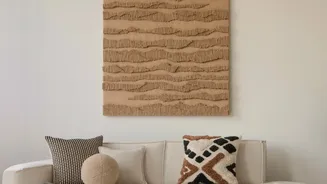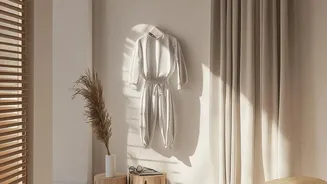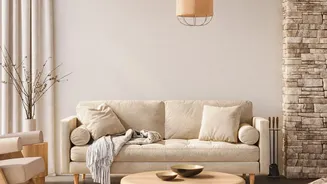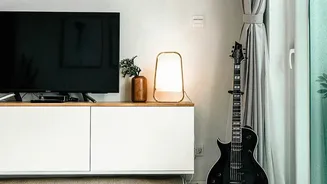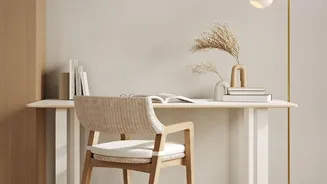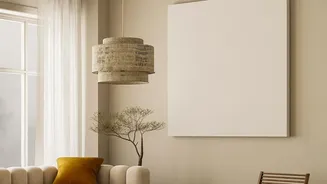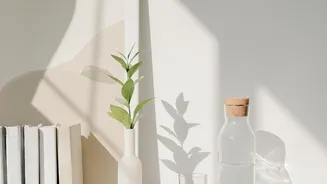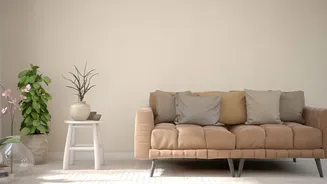



The essence of minimalism lies in creating a serene and uncluttered sanctuary. A thoughtfully chosen neutral palette is the foundation, bringing warmth, depth, and sophistication without overwhelming the senses. Here are five ideas to inspire you.
The Warm Greige Foundation
Greige,
the perfect blend of grey and beige, is perhaps the most versatile neutral for a minimalist home. It offers warmth without leaning yellow and sophistication without feeling cold. This palette works by layering various tones of greige and its cousins, taupe and oatmeal. Imagine walls in a soft, welcoming greige, a sofa a few shades deeper to anchor the space, and textiles in lighter oatmeal and cream. This creates a tonal ladder that is visually interesting yet incredibly calming. The beauty of greige is its ability to adapt to changing light, feeling crisp in the morning and cozy by evening. It pairs beautifully with natural materials like light oak, linen, and bouclé, allowing texture to provide the depth that colour otherwise would.
The Crisp Off-White Canvas
An all-white room can feel clinical, but a layered palette of off-whites creates an airy, light-filled space that is anything but sterile. The key is to use whites with different undertones—some with a drop of cream, others with a hint of grey. Think walls in a soft, creamy ivory, furniture in a clean linen white, and details in a crisp, brighter white to highlight architectural features. This approach makes a room feel expansive and bright. To prevent it from feeling flat, introduce a wealth of textures: a nubby wool rug, velvet cushions, raw silk curtains, and warm wooden accents. A single, sharp black accent, like a thin picture frame or a lamp base, will ground the space and add a graphic, modern edge.
The Earthy Terracotta Mix
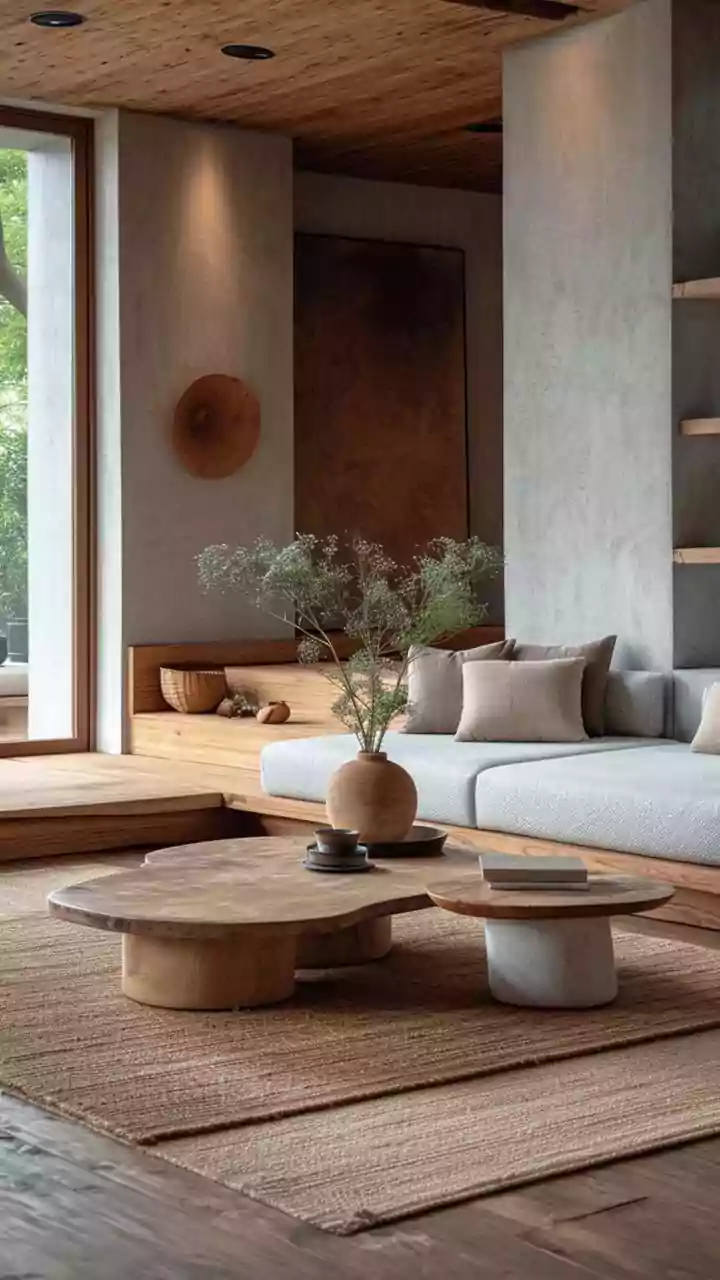
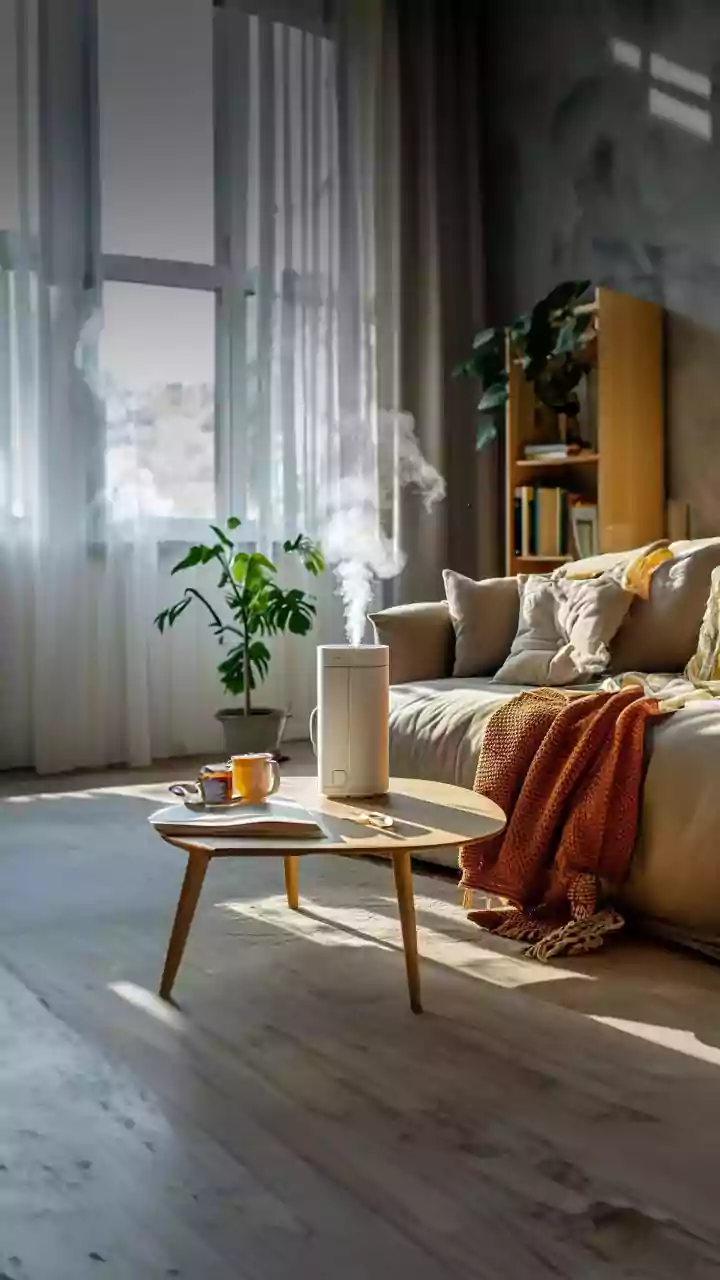
For those who want a neutral palette with more personality, earthy tones are the answer. This scheme is inspired by natural materials like clay, sand, and soil. Start with a base of warm beige or sand-coloured walls. Then, introduce accents of terracotta, rust, and muted olive green through textiles, pottery, and art. A terracotta throw pillow, a soft olive green blanket, or a collection of clay vases can bring immense warmth and a connection to nature. This palette feels grounded, inviting, and deeply comforting. It pairs exceptionally well with natural wood furniture, jute rugs, and plenty of houseplants to complete the organic, serene atmosphere.
The Moody Charcoal and Brown Study
Minimalism doesn't always have to be light and bright. A moody palette of charcoal grey, deep chocolate brown, and soft black can create a space that feels sophisticated, intimate, and dramatic. This works especially well in a bedroom, study, or library. The secret is to use these dark tones as a backdrop and introduce warmth and light strategically. Pair a charcoal accent wall with rich brown leather furniture, espresso-toned wood, and soft, warm lighting from brass or copper fixtures. To keep the space from feeling too heavy, layer in lighter neutrals like cream and beige in your textiles and rugs. This high-contrast approach creates a cozy, enveloping room that feels like a sophisticated retreat.
The Coastal Stone and Sand Retreat
Inspired by foggy coastlines and smooth pebbles, this palette uses cool-toned neutrals to create a calm, breezy, and modern feel. It’s built on a foundation of soft stone greys, sandy beiges, and muted blues. Imagine light grey walls that mimic the colour of a misty morning, a sofa in a durable sand-coloured fabric, and accents of dusty, pale blue in cushions and throws. This combination feels fresh and tranquil. To enhance the coastal vibe, incorporate weathered, driftwood-toned woods and textures like woven seagrass or rattan. Unlike warmer palettes, this scheme thrives on crispness, so accents of clean white and simple black metal can provide a welcome, clean-lined contrast.