




The Sant Ravidas Express Arrives
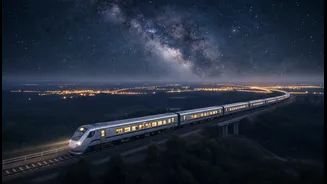
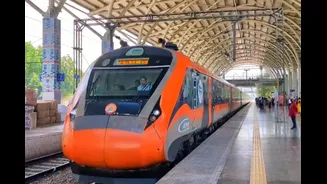
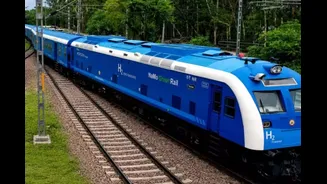
On July 17, 2026, Prime Minister Narendra Modi is scheduled to flag off the Sant Ravidas Express, marking a significant milestone in India's railway modernisation. This is the country's second operational Vande Bharat in a sleeper format, following the successful
launch of the Howrah-Kamakhya service in January 2026. The new train will connect Varanasi in Uttar Pradesh with Chheharta, near Amritsar in Punjab, operating three days a week in each direction. It will provide a much-anticipated premium, direct link on a corridor bustling with pilgrims, tourists, and business travellers. The service, numbered 14623/14624, will traverse the route with key stops in major cities like Lucknow, Bareilly, Ambala Cantt, and Jalandhar, knitting together the commercial and cultural hubs of the region.
A New Era for Overnight Travel
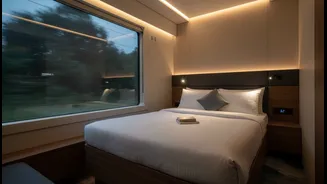
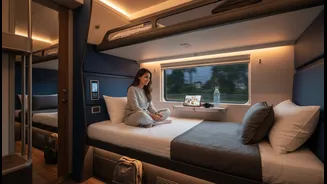
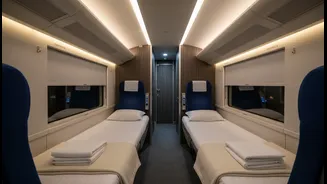
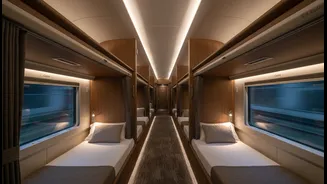
The Vande Bharat sleeper is engineered to be a significant upgrade over existing long-distance premium trains like the Rajdhani Express. Passengers can expect a leap in comfort, with ergonomically designed berths and ladders, improved cushioning, and superior suspension that promises a smoother, jerk-free ride with less noise and vibration. The train’s interior is a departure from the past, featuring aesthetic designs, soft lighting, and fully sealed gangways to keep the coaches dust-free. Amenities once considered luxuries are now standard, including automatic doors, bio-vacuum toilets with touch-free fittings, sensor-based lighting, and individual USB charging ports. Some configurations even feature hot showers in First AC, aiming for a hotel-like experience on wheels.
Connecting Faith and Commerce
The choice of the Varanasi-Amritsar route is deeply strategic, connecting two of India's most profound spiritual centres. Varanasi, one of the world's oldest living cities, is a prime pilgrimage site for Hindus, while Amritsar is home to the revered Golden Temple, the holiest shrine in Sikhism. The train's name, Sant Ravidas Express, further deepens this connection, honouring the 15th-century mystic whose birthplace in Varanasi is a sacred site for followers, many of whom reside in Punjab. This new service is expected to provide a major boost to religious tourism by offering a comfortable and direct overnight journey. Beyond pilgrimage, it will ease travel for countless students, families, and migrant workers who move between Uttar Pradesh and Punjab, strengthening social and economic ties.
Speed, Safety, and Self-Propulsion
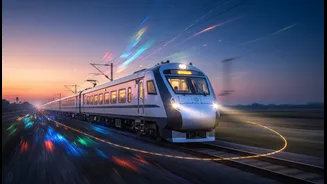
At the heart of the Vande Bharat platform is its technology. Unlike conventional trains pulled by a locomotive, the sleeper variant is a self-propelled trainset with distributed power, allowing for rapid acceleration and deceleration. While designed for speeds up to 180 kmph, it will operate at a maximum of 160 kmph, depending on track capabilities, promising significant reductions in travel time compared to older services. Safety has also been paramount in its design. The train comes equipped with the 'Kavach' automatic train protection system, an indigenous technology designed to prevent collisions. It also features advanced fire safety measures and enhanced crash buffers, making it one of the safest travel options on the network.
The Bigger Picture for Indian Railways
The launch of the Sant Ravidas Express is not an isolated event but a crucial part of a larger vision to overhaul India's long-distance rail network. Indian Railways is systematically rolling out these modern sleeper trains to replace its ageing premium fleets and offer a formidable alternative to air travel on medium-to-long-haul routes. With plans for hundreds of Vande Bharat trains to be operational by 2030, these services are set to become the backbone of inter-city and overnight travel in the country. This expansion reflects a strategic shift towards a more passenger-centric, efficient, and modern railway system designed to meet the aspirations of a rising India.