






A Season of Scarcity
India's crucial southwest monsoon season concluded with a nationwide rainfall deficit of around 12.6%, making it the weakest monsoon in over a decade. According to the India Meteorological Department (IMD), the country received approximately 87% of its
long-period average rainfall, officially classifying the season as "deficient". This shortfall, largely attributed to strengthening El Niño conditions, was not uniform. The most severe deficits were recorded in the southern peninsula and the east and northeast regions, which saw shortfalls of about 24% and 26% respectively. For east and northeast India, it was the driest monsoon season recorded since 1901. This uneven distribution means that while some areas coped, others are facing significant agricultural distress.
Kharif Crops Under Stress
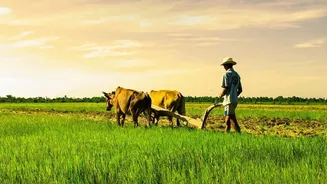
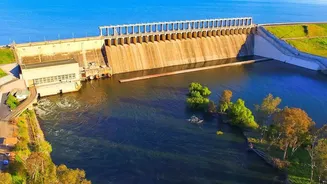
The erratic and insufficient rainfall has put significant pressure on the Kharif (summer crop) season. Sowing for Kharif crops was down by about 1.2% by the end of September compared to the previous year. Key crops like rice (paddy), pulses, cotton, and soybeans have faced moisture stress during critical growth stages. The impact on sowing has been particularly sharp in southern states, with Karnataka reporting a nearly 15% drop in Kharif acreage. Even in areas where sowing was completed, the lack of consistent rain could lead to lower crop yields, affecting overall output. The depleted moisture in the soil and low water levels in reservoirs also cast a shadow over the prospects for the upcoming Rabi (winter crop) season.
The Ripple Effect on Prices
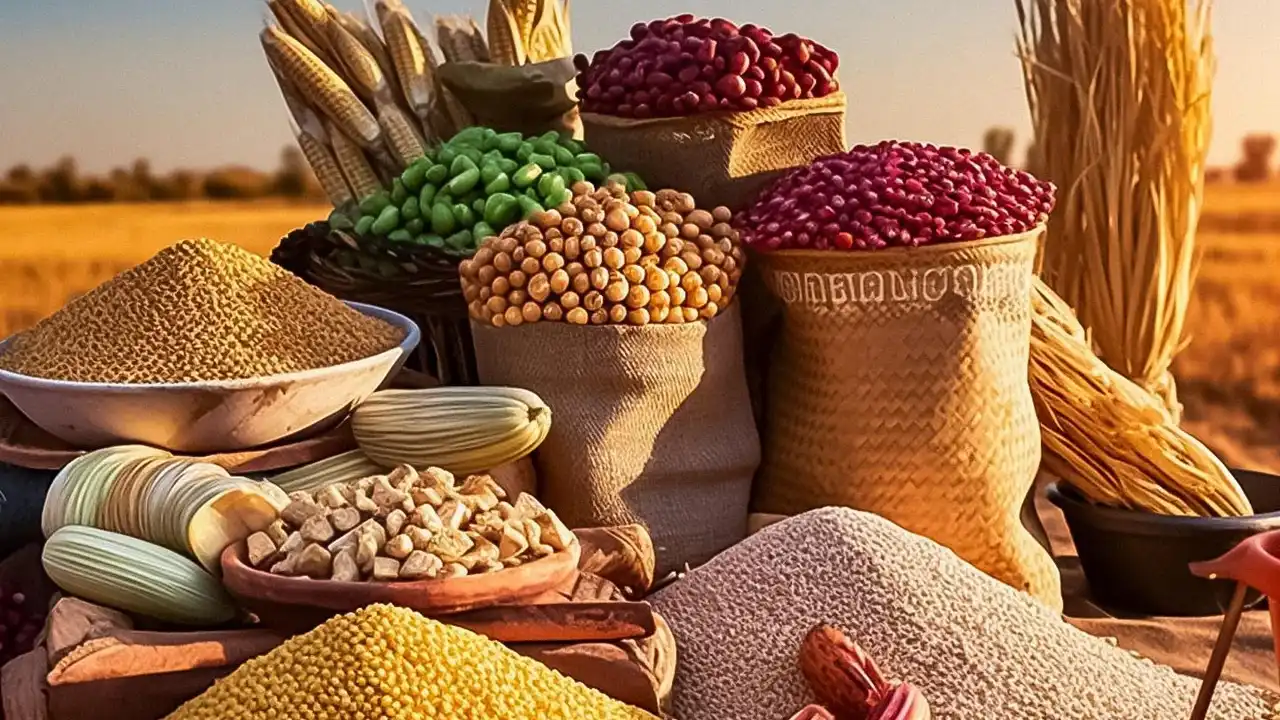
A direct consequence of lower agricultural output is the threat of rising food inflation. Economists and rating agencies have already flagged this as a major risk for the second half of the financial year. Food inflation, which stood at 5.95% in August, is expected to feel upward pressure as supply-side constraints emerge from the weak harvest. Prices of pulses, which are predominantly grown in rain-fed areas, are a particular concern. The government is already contemplating measures like reducing import tariffs on lentils and yellow peas to stabilize domestic supplies and keep prices in check. This reflects a proactive strategy to manage the cost of living, which also includes previous duty cuts on edible oils.
Policymakers on High Alert
The combination of a weak monsoon and persistent inflation is putting policymakers at both the central government and the Reserve Bank of India (RBI) on high alert. The government has lowered its foodgrain production target for the 2026-27 crop year, acknowledging the challenging conditions. States are being advised to prepare 'water budgets' and encourage farmers to shift towards less water-intensive crops like pulses and oilseeds for the Rabi season. For the RBI, the threat of rising food prices complicates its fight against inflation. With headline inflation already above its 4% target, the central bank may be forced to maintain its hawkish stance or even consider further interest rate hikes to prevent price pressures from becoming more generalized. The weak monsoon was a known risk, but its materialization now makes the path forward for the Indian economy more challenging.