



The Urban Heat Trap
Indian cities are getting hotter, and not just because of rising global temperatures. Our urban areas are becoming 'heat islands'. Materials like concrete and asphalt, which dominate our cityscapes and rooftops, absorb solar radiation all day and release
it slowly at night. This process, combined with a lack of green cover, means our cities are significantly warmer than surrounding rural areas, with temperature differences sometimes reaching up to 10°C. This Urban Heat Island (UHI) effect leads to higher energy consumption for cooling, increased air pollution, and serious health risks during heatwaves. Your own terrace, a slab of concrete exposed to the sun, is a miniature version of this effect, trapping heat and making your home warmer.
Nature's Air Conditioner
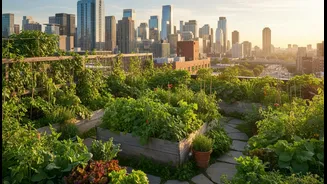
Plants are nature's own air conditioners, and their cooling power comes from two main processes. The first is shade. A leafy canopy physically blocks sunlight from hitting the concrete surface, preventing it from heating up in the first place. The second, more powerful mechanism is evapotranspiration. Plants draw water from their roots and release it as vapour through tiny pores in their leaves, a process called transpiration. As the water evaporates, it absorbs a significant amount of heat from the surrounding air, creating a cooling effect much like how sweating cools our skin. A well-planted green roof can be up to 20°C cooler than a conventional one and can reduce a building's need for air conditioning. A single large tree can have the cooling effect of multiple air conditioning units.
Choosing Your Cooling Champions
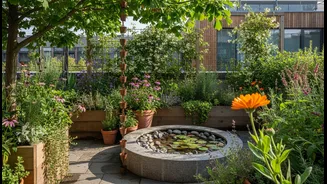
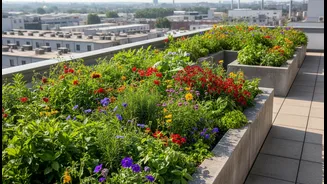
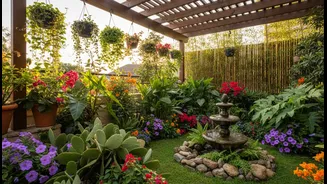
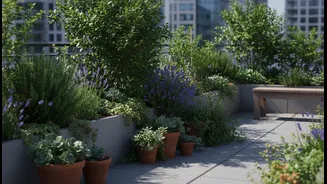
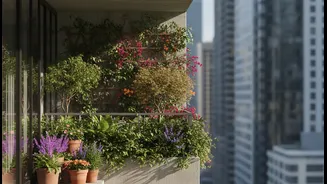
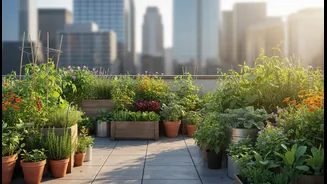
The right plants can maximise the cooling effect on your terrace. For the intense Indian sun, choose hardy, heat-tolerant species. For broad coverage and shade, fast-growing climbers like the Betel Leaf plant, passion flower, and bougainvillea are excellent choices when trained over a trellis. Heat-resistant shrubs such as Nerium Oleander, Hibiscus, and Ixora add both dense foliage and vibrant colour. Don't underestimate the power of herbs and smaller plants; clustering pots of Indian Basil (Tulsi), mint, and spider plants creates a microclimate that retains moisture and cools the immediate area. For those with space, dwarf varieties of the Neem tree can offer incredible shade and are famously heat-resistant. Flowers like Marigold, Zinnia, and Portulaca (Moss Rose) are not only beautiful but also thrive in full sun, adding to the green cover.
Setting Up Your Green Oasis
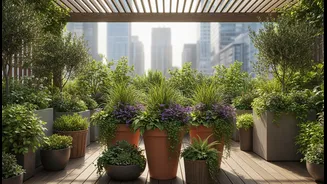
Before you start, it is crucial to ensure your terrace is properly waterproofed to prevent any damage to the building. Once that's confirmed, you can plan your layout. Using a mix of container sizes and types adds visual interest. Grouping pots together helps create a humid microclimate that benefits the plants and enhances cooling. Opt for lightweight soil mixes designed for container gardening to reduce the load on your roof. A layer of mulch, such as bark chips or straw, on top of the soil in your pots is a simple but effective trick. It insulates the plant roots from extreme heat and dramatically reduces water evaporation, meaning you'll water less often. For larger terrace gardens, installing a drip irrigation system can save time and ensure your plants get consistent moisture with minimal waste.
More Than Just Cool
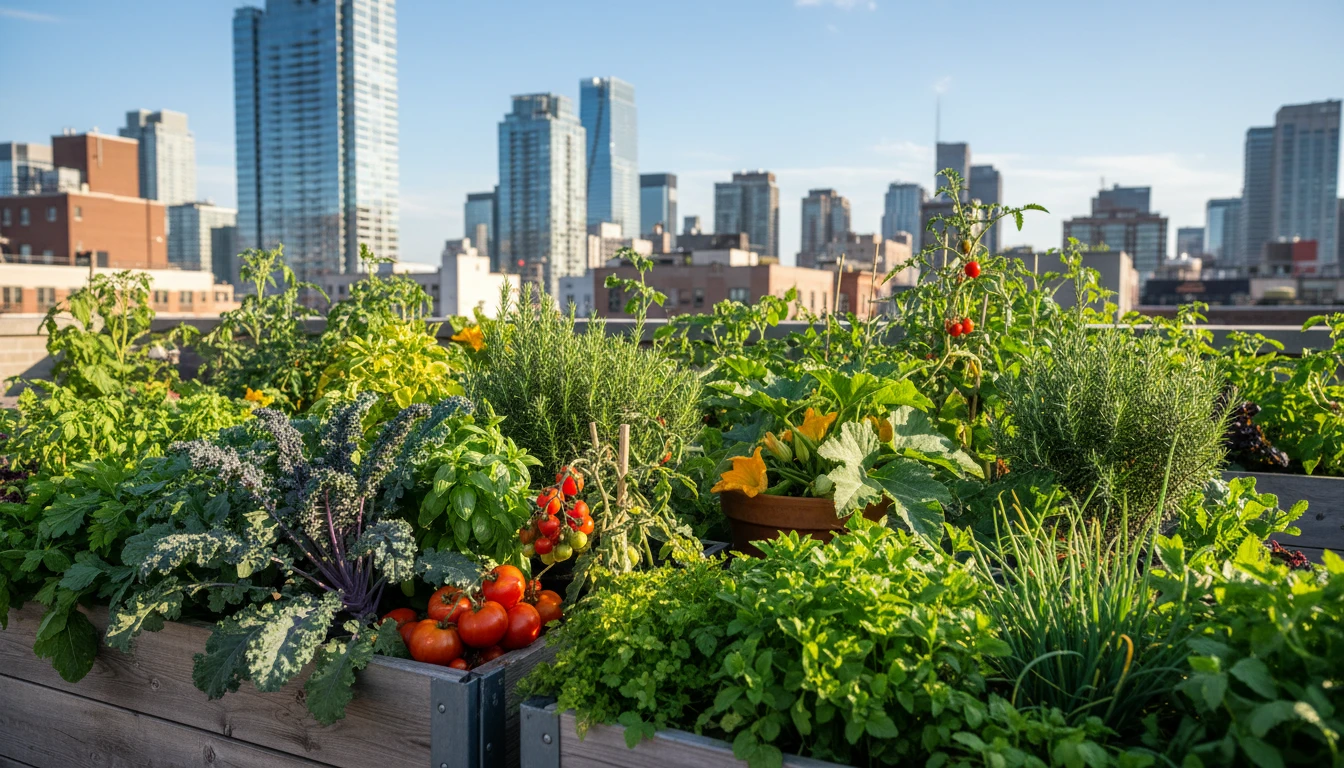
The benefits of a terrace garden extend far beyond just lowering the temperature. The plants will actively filter pollutants from the air, improving the air quality around your home. A green roof provides a vital habitat for birds, bees, and butterflies, promoting biodiversity in an urban environment. Growing your own herbs and vegetables can provide you with fresh, organic produce right at your doorstep. Furthermore, the act of gardening itself is a well-known stress reliever, offering a peaceful escape from the hustle and bustle of city life. A terrace garden transforms an underutilised space into a beautiful, productive, and comfortable retreat that enhances both your property value and your quality of life.