





The Himalayan Work-Life Revolution
The remote work boom has untethered professionals from their office desks, allowing them to choose their homes based on lifestyle rather than proximity to a corporate park. This shift has turned quiet Himalayan towns into bustling hubs for a new generation
of workers. Himachal Pradesh, with its stunning landscapes and tranquil environment, has emerged as a top destination. Two places, in particular, have captured the imagination of this community: Kasol and Bir. While both offer crisp mountain air, what makes them truly magnetic is a simple economic reality: affordable long-term stays.
Kasol: The Bohemian Riverside Retreat
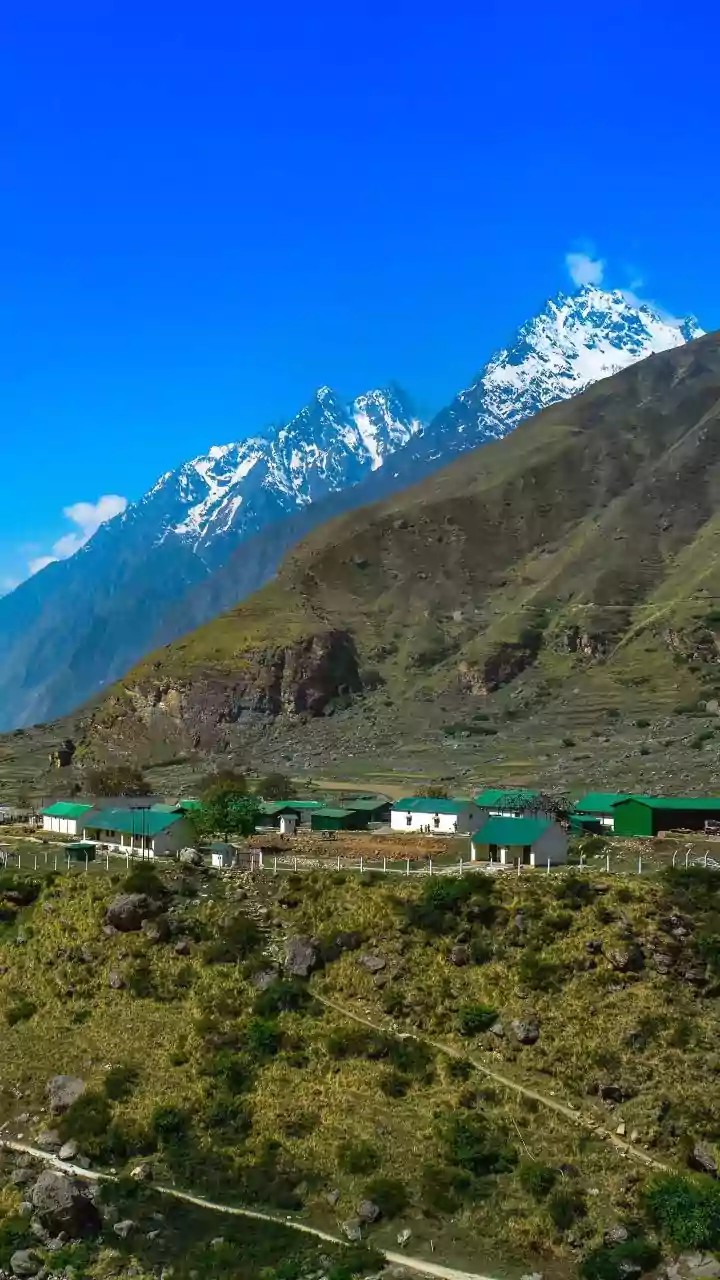
Tucked away in the Parvati Valley, Kasol has long been a haven for backpackers, and now it's attracting digital nomads with its laid-back, bohemian vibe. The town is known for its riverside cafes, forest trails, and a vibrant, transient community. The primary draw remains the low cost of living. Monthly rentals for a basic room or a spot in a co-living hostel can be surprisingly low, with many hostels offering monthly rates that are a fraction of the rent in a metro city. While internet connectivity was once a major concern, many cafes and guesthouses now offer reliable Wi-Fi, creating functional workspaces amidst the serene scenery. It's a destination for those who thrive in a social, creative, and nature-immersed environment.
Bir: For Adventure, Zen, and Productivity
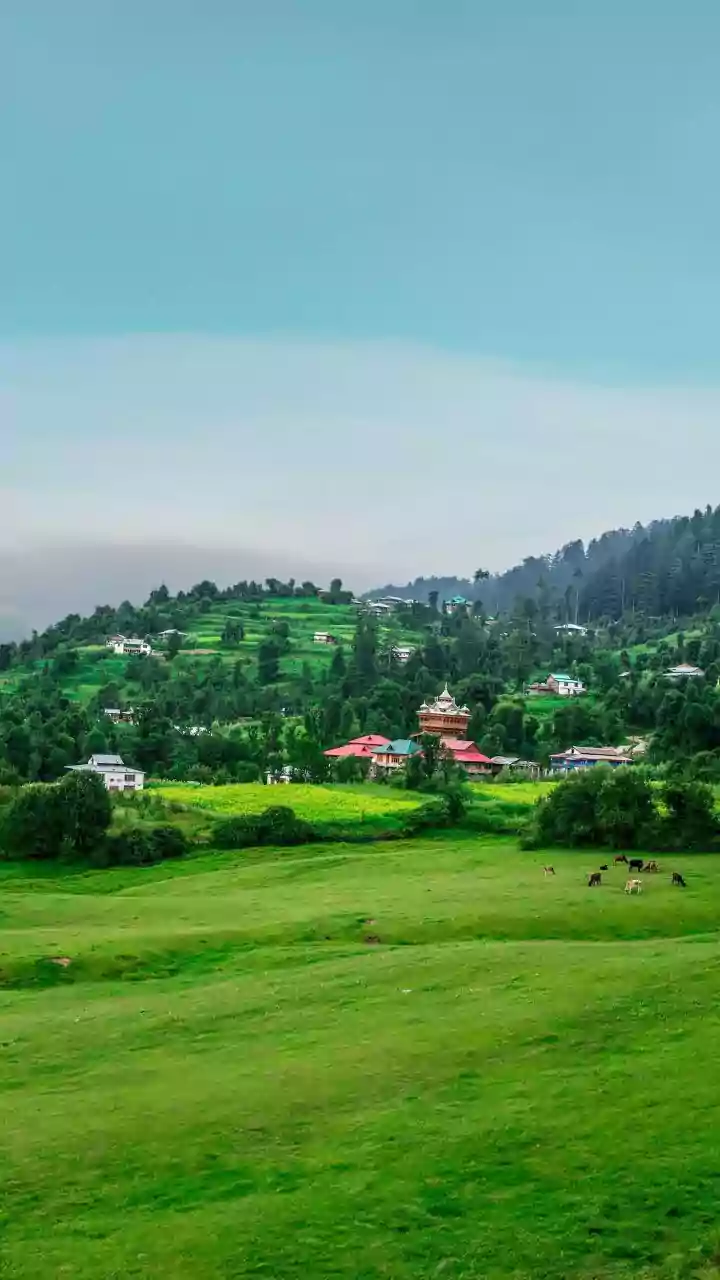
About two and a half hours from Dharamshala, Bir offers a different flavour of mountain life. Famous globally as a paragliding destination, it blends adventure with a calm, spiritual atmosphere, influenced by the local Tibetan settlement. Bir’s popularity with remote workers grew gradually as word spread about its unique combination of peaceful surroundings and improving infrastructure. Here, the digital nomad community finds a more focused and slightly quieter environment compared to Kasol. Co-working spaces like Bir Nest offer dedicated desks, ergonomic chairs, and redundant high-speed internet connections, addressing the key needs of a serious remote professional. Long-stay options are plentiful, with some hostels offering monthly dorm beds for as low as ₹8,000 and private rooms for around ₹19,000, making it an incredibly viable option for long-term stays.
The Economics of the Mountain Office
The affordability is the undeniable gateway for most digital nomads. In cities like Mumbai or Bengaluru, monthly rent alone can consume a significant portion of one's salary. In contrast, a comfortable month-long workation in Himachal can cost between ₹30,000 and ₹45,000, including a private room, food, and local transport. For instance, one remote worker in Manali reported a total monthly expense of around ₹21,000, with rent for a one-bedroom apartment being ₹14,000, inclusive of utilities. This drastic reduction in living costs allows professionals to save more, work less stressfully, and invest in experiences like trekking, learning a new skill, or simply enjoying the slow life. Many hostels and guesthouses in both Kasol and Bir offer special discounted rates for weekly or monthly stays, making the economics even more favourable for those willing to commit to a longer period.
Beyond the Price Tag: Community and Connection
While cheap rent gets them there, it's the sense of community and quality of life that makes them stay. Digital nomadism can be lonely, but in hubs like Kasol and Bir, it's easy to connect with like-minded individuals. Cafes buzz with creative energy, hostels become collaborative spaces, and weekends are filled with shared adventures. This environment fosters networking, friendship, and a collective sense of well-being that is often missing in the competitive urban grind. The ability to finish a work project and immediately step out for a hike along the Parvati River or watch paragliders land against a sunset backdrop in Bir provides a level of work-life integration that city life simply cannot match.