


India's Next Planetary Frontier
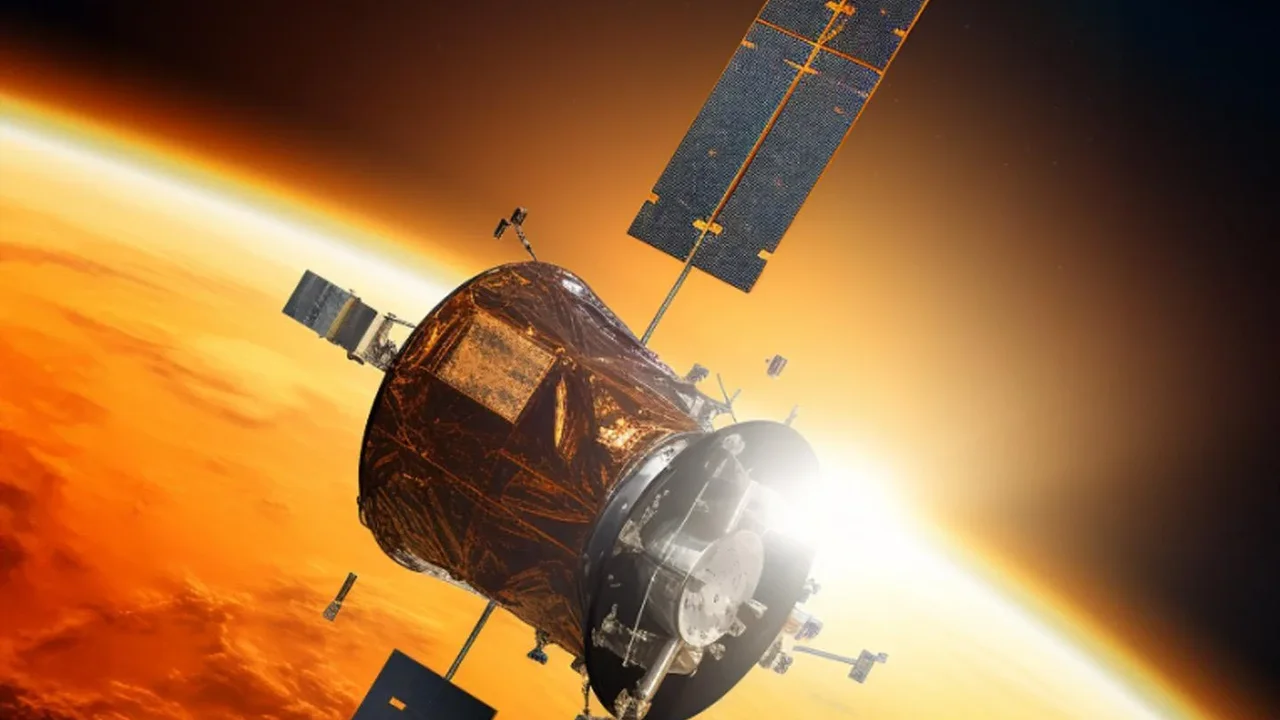
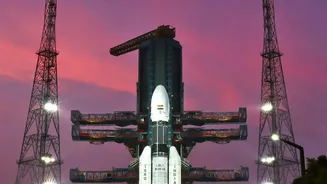
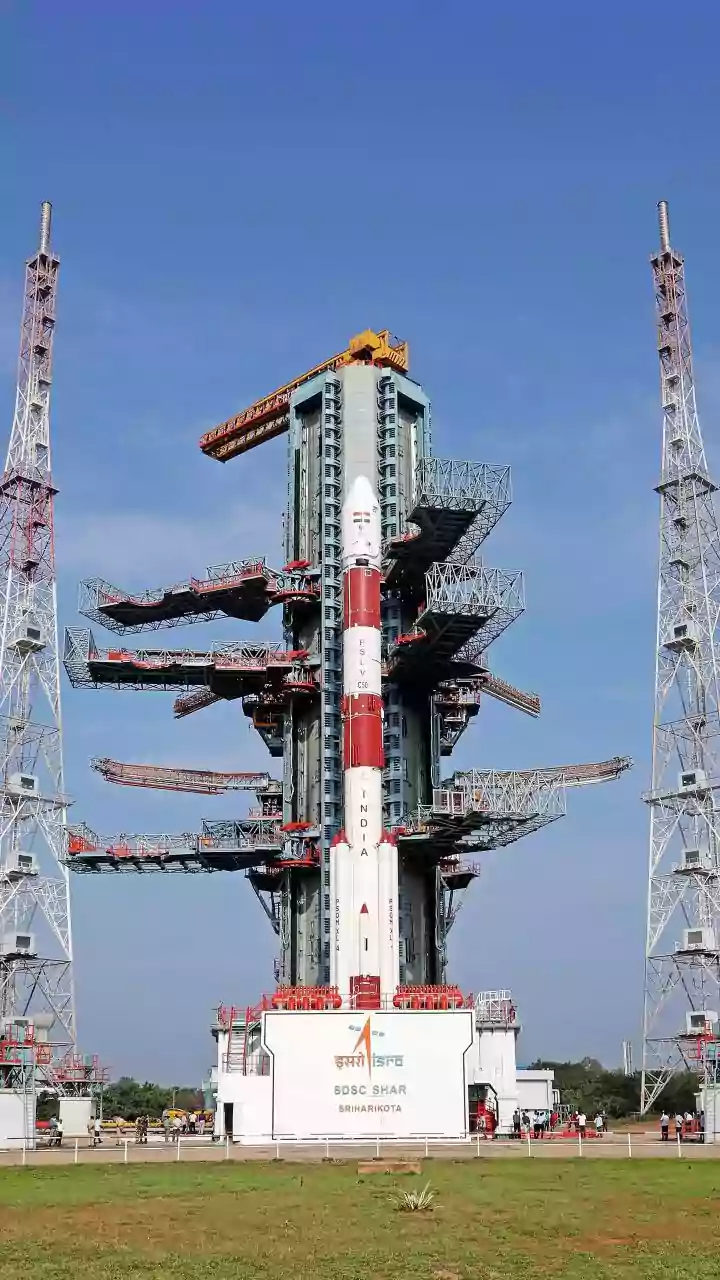
After successfully exploring the Moon and Mars, the Indian Space Research Organisation (ISRO) has its sights set on our other celestial neighbour: Venus. The planned Venus Orbiter Mission, unofficially named Shukrayaan-1, represents India's next great
leap in interplanetary science. Formally approved by the government, this ambitious project is scheduled for launch on March 29, 2028. The spacecraft will embark on a 112-day journey to enter orbit around Venus, beginning a new chapter for Indian space exploration. This mission isn't just about planting a flag; it's about tackling some of the biggest unanswered questions about the solar system.
The Mystery of Earth's 'Evil Twin'
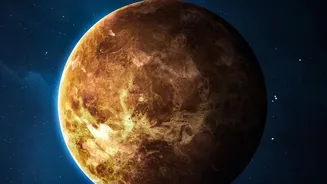
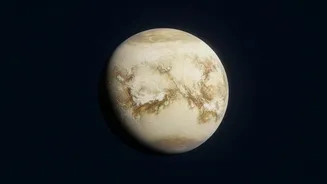
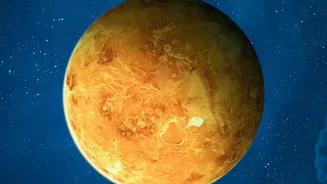
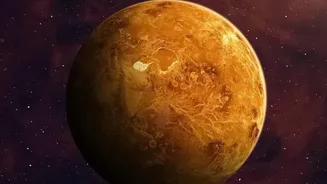
Venus is often called Earth's twin due to its similar size and mass, but the comparison ends there. It is the most hostile planet in the solar system, with a crushing surface pressure over 90 times that of Earth and a blistering average temperature of 460°C, hot enough to melt lead. Its thick, toxic atmosphere is dominated by carbon dioxide and blanketed in clouds of sulfuric acid. Scientists are deeply puzzled as to why two planets that started so similarly evolved so differently. Shukrayaan-1 aims to peel back the layers of this toxic world to understand the runaway greenhouse effect that turned Venus into a planetary furnace, providing crucial insights into climate evolution that could be relevant for our own planet.
A Whiff of Volcanic Activity
One of the most tantalizing mysteries is whether Venus is geologically active today. For years, scientists have seen circumstantial evidence. The planet's atmosphere has a surprising amount of sulfur dioxide (SO2), a gas that is commonly produced by volcanic eruptions on Earth. On our planet, SO2 is quickly broken down by sunlight, so a constant source is needed to maintain its levels in the atmosphere. The presence of SO2 on Venus strongly suggests active volcanoes might be replenishing the supply. Recent re-analysis of old NASA Magellan mission data has provided the first direct evidence of active volcanism, showing changes in volcanic vents and fresh lava flows from the early 1990s. This makes the hunt for current eruptions more exciting than ever.
The High-Tech 'Nose' in the Sky
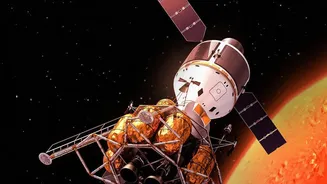
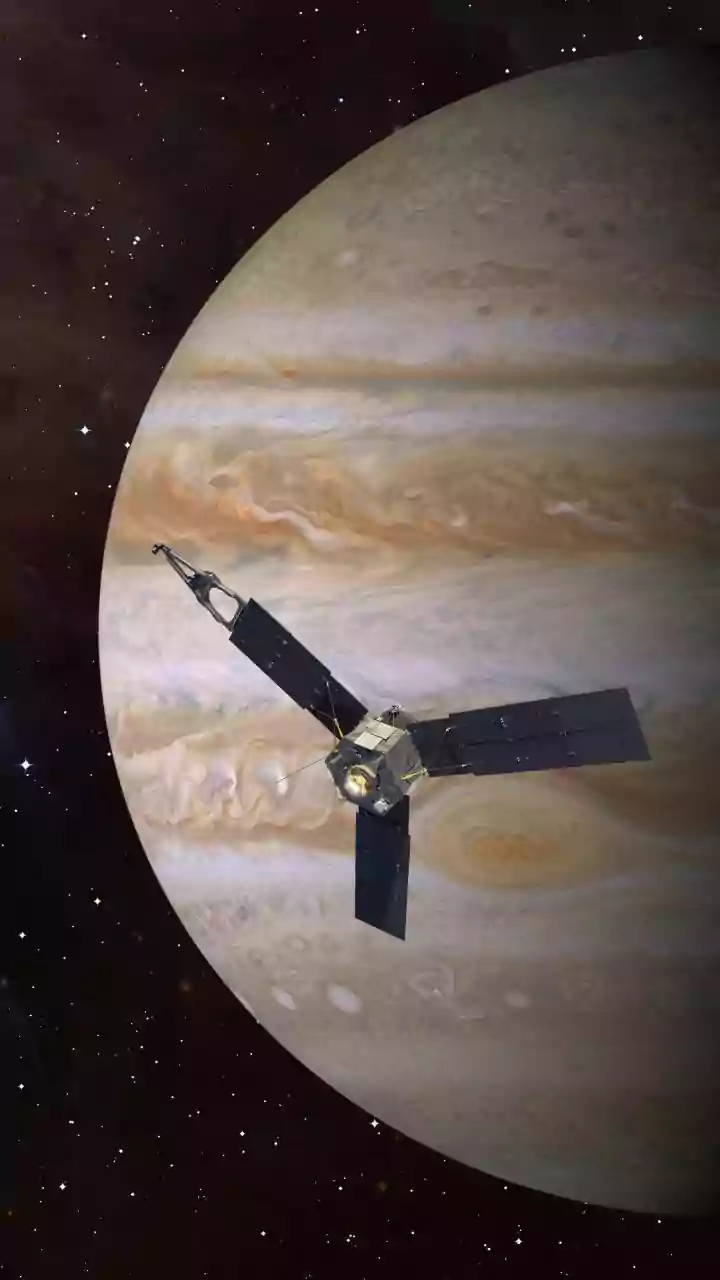
This is where ISRO's mission becomes critical. The headline refers to the advanced capability being built into Shukrayaan-1. The spacecraft will carry a suite of 19 sophisticated instruments, including payloads from international partners like Sweden and Russia. A key objective is to hunt for definitive proof of active volcanism by detecting sulfur dioxide 'outgassing' events in real-time. The sensors are being designed to be sensitive enough to trace the plumes of gas released during an eruption. This capability would allow scientists to pinpoint not just that Venus is active, but precisely where and how often eruptions occur. It's like sending a highly advanced smoke detector to another world to find the fire.
Is Venus Still Geologically Alive?
Confirming active volcanism on Venus would be a monumental discovery. It would prove that Earth is not the only planet in our solar system with active, internal geological processes shaping its surface. It would transform our understanding of planetary evolution. Active volcanoes release heat from a planet's interior, influence the composition of its atmosphere, and create new landforms. By mapping these hotspots and studying the outgassing events, Shukrayaan-1 could help scientists create a complete picture of Venus's inner life. The mission's ground-penetrating radar will also peer below the thick lava plains to understand the planet's subsurface history, adding another dimension to this geological investigation.
A Landmark Mission for India
The development of these highly sensitive sensors showcases ISRO's growing prowess in creating complex scientific instruments for deep space exploration. Shukrayaan-1 is more than just a follow-up to the Mars Orbiter Mission; it's a testament to India's ambition to be at the forefront of answering fundamental scientific questions. By collaborating with international space agencies, India is also cementing its role as a key player in the global scientific community. This mission, with its potential to reveal the secrets of a volcanic Venus, is set to be one of the most exciting scientific endeavours of the next decade, inspiring a new generation in India and around the world.