

The 1920s: The Liberated Bob
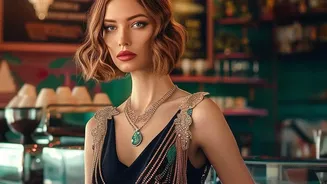
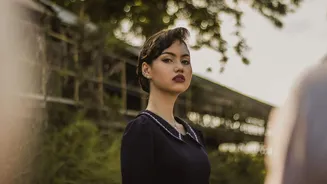
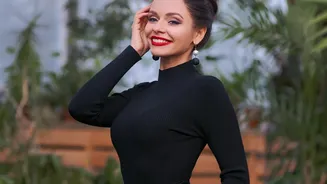
The 1920s were all about liberation, and hair was no exception. Women chopped their long locks into sharp, jaw-length bobs, a rebellious statement of freedom and modernity. The look was often styled with sleek, glossy finger waves or Marcel waves, which
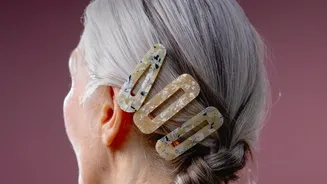
added a touch of intricate glamour to the otherwise simple cut. For those not ready to make the cut, a 'faux bob' offers a clever way to capture the spirit of the era. This technique was popular even in the '20s for women who wanted to experiment without committing. To get the look at home, you can create a faux bob by tucking longer hair under. Start by creating a low ponytail or braid at the nape of your neck, then loosely fold the rest of your hair over and pin it, creating the illusion of a shorter style. For those who already have a bob, use a curling tong to create defined waves near your scalp. Finish with a strong-hold hairspray to keep everything perfectly in place. An embellished headband is the perfect accessory to complete your flapper-inspired transformation.
The 1940s: Glamorous Victory Rolls
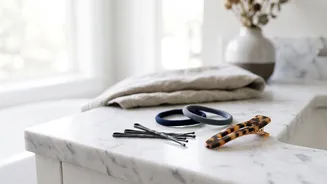
Born from the practicality of wartime when women worked in factories, Victory Rolls were a way to keep hair stylishly and safely swept away from the face. This iconic 1940s look is defined by its voluminous, symmetrical rolls of hair pinned on top of the head, exuding a sense of polished glamour despite the era's austerity. It remains a cornerstone of vintage hairstyling, perfect for adding a touch of classic Hollywood elegance to any occasion. Creating Victory Rolls is easier than it looks. Start by sectioning the hair on either side of a deep side part. Take one section, comb it upwards, and then roll it inwards toward your scalp, using your fingers to guide it into a clean, cylindrical shape. Once you have a neat roll, secure it against your head with bobby pins. Repeat on the other side, ensuring the rolls are balanced. For extra grip, especially on clean hair, a light spritz of dry shampoo can make the hair easier to work with. Don't worry if it’s not perfect; a slightly softer roll can feel more modern.
The 1960s: The Voluminous Beehive
The 1960s were a decade of revolution, and hairstyles reached new heights—literally. The beehive, a towering updo, became a symbol of statement-making glamour, famously worn by icons from Audrey Hepburn to Aretha Franklin. The style is all about creating dramatic volume at the crown of the head, with the hair swept up and away from the neck. While it may look intimidating, modern techniques have made the beehive more accessible than ever. To create a simplified, modern beehive, you don’t need endless teasing. Start by sectioning off the top part of your hair at the crown. Gently backcomb the roots of this section to build a soft cushion of volume. For a simple hack, you can even use a hair donut or a rolled-up sock matching your hair colour as a base to create the shape without damaging teasing. Once you have your desired height, smooth the top layer of hair over the backcombed section or filler, and pin it securely at the back of your head. You can leave the rest of your hair down or pull it into a chic ponytail. A little hairspray will smooth flyaways and lock in the height.
The 1970s: Feathered Farrah Fawcett Waves
When Farrah Fawcett debuted her iconic feathered hairstyle in 'Charlie's Angels,' it instantly became the look of the decade. Defined by its bouncy volume, soft texture, and signature 'flicked-out' layers, this style is the epitome of effortless 1970s glamour. It’s a look that feels free-spirited and polished all at once, and its face-framing layers are flattering on many. The style works best if your hair already has some layers. To achieve this look at home, start by applying a volumizing mousse to damp hair. Using a hot air brush or a round brush and blow dryer, dry your hair in sections, curling the hair away from your face to create the characteristic 'flick'. Hot rollers are also a fantastic tool for this style. Once your hair is set, let it cool completely before removing the rollers. Then, gently brush through the curls with your fingers or a wide-tooth comb to create that soft, feathered effect. A spritz of texture spray will give it that final, perfectly undone finish.
The 1990s: The 'Rachel' Cut
Few hairstyles have defined a generation quite like 'The Rachel'. Made famous by Jennifer Aniston's character on 'Friends,' this shoulder-length cut is all about bouncy volume and heavy, face-framing layers. It was the must-have haircut of the mid-90s, and its modern resurgence proves its timeless appeal. The layers are designed to create movement and a flattering shape around the face. If you have a layered cut, styling 'The Rachel' at home is straightforward. The original look was often pin-straight with the ends curled under. Use a flat iron to smooth your hair, and as you reach the ends, turn the iron inwards to create that signature rounded effect. For a more modern and voluminous take, use a large-barrel curling iron or a blow-dry brush to create a bouncy blowout. The key is to direct the hair at the crown upwards for lift and to flick the face-framing layers outwards. Velcro rollers can also help achieve that classic '90s volume at the roots.