
Hailing from the bustling streets of Surat, Paneer Ghotala is a messy, spicy, and utterly delicious dish that’s pure comfort. But the secret to a great 'ghotala' isn't just the flavour—it's getting that soft, melt-in-your-mouth paneer texture.
What Makes Paneer Ghotala 'Street-Style'?
Paneer Ghotala
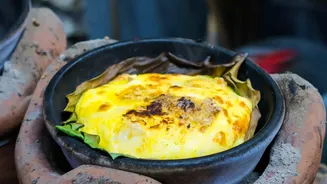
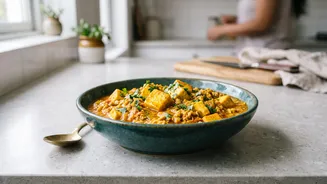
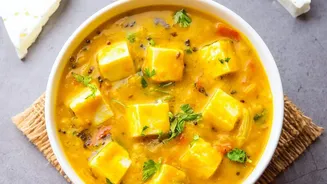
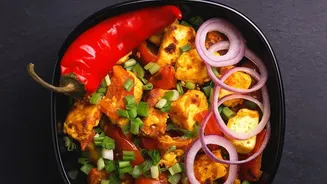
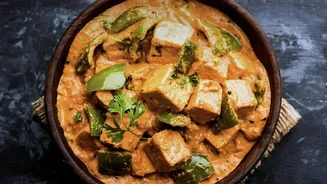
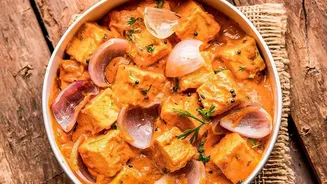
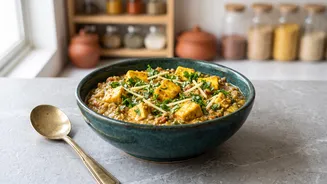
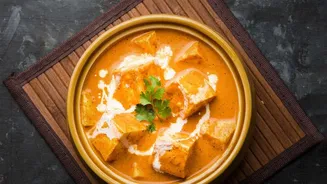
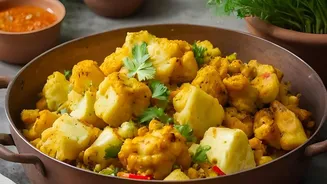
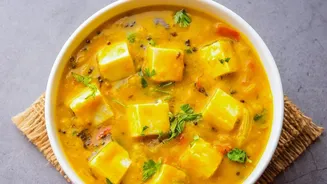
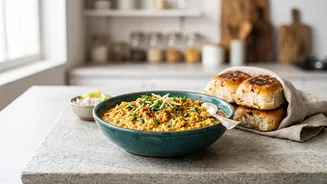
is a popular vegetarian street food, inspired by the original Surti Egg Ghotala. The name 'ghotala' literally means a mash-up or scamble, which perfectly describes the dish's texture. It features grated or crumbled paneer cooked in a rich and spicy gravy made from a base of onions, tomatoes, and a signature blend of spices. What gives it that distinct street-food character is the generous use of butter, a specific masala profile heavily featuring pav bhaji masala, and its messy, semi-liquid consistency. Often cooked on a large flat tawa, the ingredients are mashed together during cooking, creating a harmonious medley of flavours that is traditionally scooped up with butter-toasted pav.
The Science of Soft Paneer
Before we cook, let's solve a common kitchen problem: hard, rubbery paneer. Paneer is a fresh cheese made of milk proteins, primarily casein. When exposed to high heat for too long, these proteins contract and squeeze out moisture, resulting in a dense, chewy texture. Unlike meat, which can tenderize with slow cooking, paneer only gets tougher the longer it's cooked. This is why many people struggle with dishes where paneer is simmered in a gravy. Overcooking is the number one enemy of soft paneer.
The Golden Rule: Soak Before You Cook
The single most effective trick for ensuring soft paneer is to soak it in warm water. Before you begin cooking your gravy, cut your paneer into cubes or crumble it as needed for the recipe. Place it in a bowl and cover it with warm (not boiling) water for 15-20 minutes. This simple step rehydrates the paneer, making it plump and soft. It works wonders for both store-bought and homemade paneer, especially if it has been refrigerated. This pre-soak ensures the paneer remains tender even after it's added to the hot gravy.
Street_Style Paneer Ghotala: The Recipe
This recipe captures the essence of the Surat street_style classic. First, gather your ingredients: 200g paneer, 2 medium onions (finely chopped), 3 ripe tomatoes (grated), 1 small capsicum (finely chopped), ginger_garlic paste, butter, oil, and your masalas—pav bhaji masala is non_negotiable, alongside red chilli powder, turmeric, and coriander powder. Start by heating a mix of oil and butter in a pan. Sauté the onions until translucent, then add the ginger_garlic paste. Next, add your powdered spices, with pav bhaji masala taking the lead. Cook for a minute before adding the grated tomatoes and capsicum. Cook this base until the oil separates. Now, it's time for the paneer. Add your pre_soaked, crumbled paneer to the gravy along with a splash of hot water or milk to adjust consistency. Using a masher, lightly press and mix everything together. Let it simmer for only 2_3 minutes; any longer and you risk toughening the paneer. For extra richness, many street vendors add grated cheese and a touch of cream at the end.
Pro_Tips for an Authentic Finish
To elevate your ghotala, timing and finishing touches are key. Always add the paneer at the very end of the cooking process. Its job is to absorb the flavours of the already_prepared gravy, not to be cooked extensively within it. A final dollop of butter on top just before serving adds a glossy finish and rich flavour. Garnish generously with fresh coriander. The classic way to serve Paneer Ghotala is with ladi pav, toasted on a tawa with a smear of butter and a sprinkle of pav bhaji masala. The soft, buttery pav is the perfect vehicle for scooping up the spicy, savoury ghotala.