




Why Rain Can Be Risky for Potted Plants
While rain is essential for plant life, the confined space of a pot makes it a double-edged sword. Unlike garden soil, which allows excess water to spread, a pot can quickly become a swamp. When the soil is saturated for too long, water fills the air
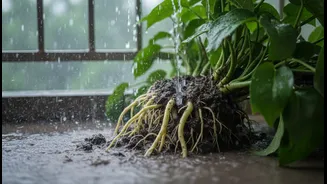
pockets that roots need to breathe. This leads to a condition called root rot, the most common killer of container plants during wet weather. The initial signs can be misleading: leaves might turn yellow or wilt, making you think the plant is thirsty when it's actually drowning. Rotten roots turn brown or black, feel mushy, and can sometimes produce a foul smell from the soil. The key to a healthy monsoon garden is not to stop the rain, but to help it escape.
Start with the Basics: Check Your Pots
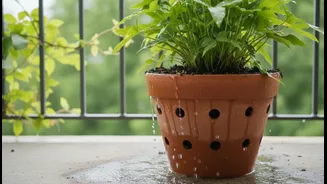
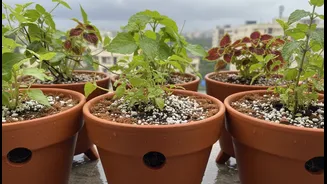
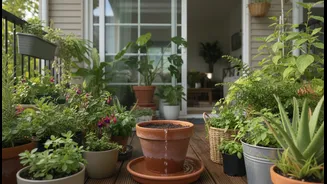
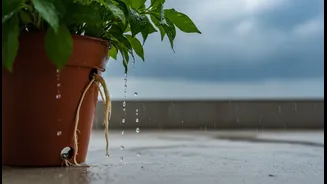
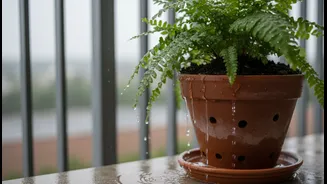
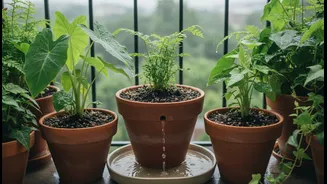
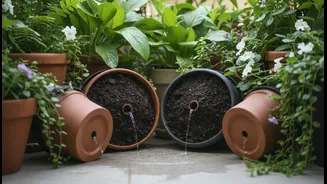
The single most important feature of any pot is its drainage hole. Before the heavy rains begin, take a moment to inspect every container. Turn them over and ensure the holes are present and clear of any blockages. Over time, roots or compacted soil can clog these vital exits. If a pot has no holes, you have two options: drill them yourself or use that container as a decorative outer pot (a cachepot). For plastic or resin pots, you can often punch out pre-marked holes. For ceramic or terracotta, a drill with a diamond-tipped bit works best. Also, reconsider the saucer or plate under your pot. While useful for catching drips indoors, during the monsoon they fill with rainwater, leaving the base of your pot sitting in a permanent puddle. It's best to remove them for the season or commit to emptying them immediately after every shower.
Elevate Your Pots for Better Airflow
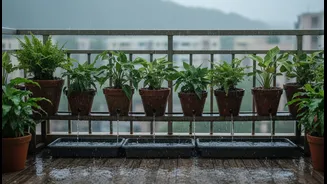
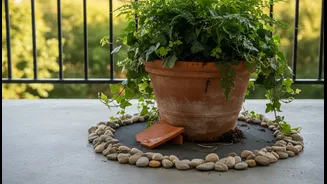
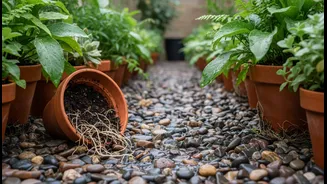
Even with drainage holes, a pot sitting flat on a balcony floor can struggle to drain effectively. Water can get trapped between the pot's base and the non-porous tiles, creating a seal that prevents water from escaping. A simple but highly effective solution is to lift your pots off the ground. You don’t need fancy equipment; a few bricks, flat stones, or even plastic bottle caps placed under the pot will do the trick. This small gap creates an escape route for water and allows air to circulate underneath, helping the soil dry out more evenly. For a more aesthetic solution, nurseries and online stores sell 'pot feet' or plant stands that serve the same purpose while adding a decorative touch.
Lighten Your Soil Mix
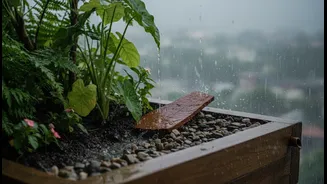
The soil you use plays a huge role in drainage. Heavy, dense garden soil is not suitable for containers as it compacts easily and retains too much water. A good potting mix should be light and airy. To improve your existing soil for the monsoon, you can amend it with materials that create more air pockets. Perlite, a lightweight volcanic rock, is excellent for improving drainage. You can also add coarse sand or coco peat (coconut coir) to make the mix less dense. These amendments prevent the soil from becoming a solid, waterlogged mass, ensuring that even with daily rain, your plant's roots have access to the oxygen they need to thrive. Avoid the old myth of adding a layer of gravel to the bottom of the pot; it doesn't improve drainage and can actually worsen waterlogging by creating a perched water table.
Adjust Your Watering Habits
It seems obvious, but it's a common mistake: don't stick to your summer watering schedule during the rains. The monsoon doesn't mean you never have to water—plants under a deep overhang might stay completely dry—but it does mean you need to check first. Always test the soil before reaching for the watering can. The easiest way is the finger test: stick your finger one to two inches into the soil. If it feels dry, go ahead and water. If it's damp, leave it alone. Overwatering is the biggest risk during this season, and letting the rain do most of the work for exposed plants is the smartest strategy.