
Tyres: Your First Line of Defence
Your tyres are the only part of your car in contact with the road, making them the single most important safety feature in the rain. Before you even think about starting the engine, inspect them closely. For monsoon driving, experts suggest a minimum
tread depth of 3mm. Good tread is essential for channelling water away and preventing hydroplaning, a dangerous situation where your tyres lose contact with the road surface. Check the pressure on all four tyres plus the spare, ensuring they are inflated to the manufacturer’s recommended level. Underinflated tyres are a major hydroplaning risk, while overinflated ones reduce grip. Also, check the rubber for any cuts, bulges, or signs of ageing; rubber hardens over time, reducing grip on wet surfaces.
Visibility Systems: See and Be Seen
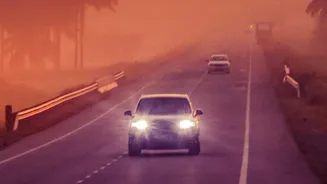
Heavy rain, mist, and fog are hallmarks of mountain driving in the monsoon, drastically reducing visibility. Your car’s visibility systems are crucial for safety. Start with your wiper blades. If they leave streaks, make chattering noises, or skip across the windshield, replace them immediately. A new pair is a small investment for a pricelessly clear view. Top up your windshield washer fluid, using a proper cleaning solution rather than plain water to cut through oily road spray. Next, check every single light: headlights (low and high beam), taillights, brake lights, and indicators. Clean the lamp covers if they are foggy or yellowed, as this can significantly reduce brightness. In poor visibility, your lights are just as much about helping others see you as they are about you seeing the road.
Brakes: Your Most Critical Control
Wet roads can significantly increase your car's stopping distance. This makes perfectly functioning brakes non-negotiable. Before your trip, have your brake system inspected. Key things to check are the thickness of the brake pads (a minimum of 3mm is recommended for safety), the condition of the brake discs, and the level and quality of the brake fluid. If the brake fluid is dark, it may have absorbed moisture, which reduces braking performance and should be flushed. When you press the pedal, it should feel firm and responsive, not spongy or soft. Any squealing or vibrations when braking are red flags that need immediate attention from a mechanic.
Under the Bonnet and On the Road
A pre-trip check under the bonnet is always a good idea. Ensure your engine oil, coolant, and brake fluid are at their proper levels. A well-maintained engine is less likely to cause problems on steep inclines. Also, test your car's air conditioning and defogger. The AC is your best tool against the windscreen fogging up from the inside, a common and dangerous issue in high humidity. When you are actually driving, technique is just as important as preparation. The most vital rule is to slow down. On wet, winding roads, reduce your speed significantly and increase your following distance to at least four or five seconds. When descending a steep slope, use a lower gear for engine braking instead of constantly riding the brakes, which can cause them to overheat and fail. On blind curves, common in the ghats, honk to alert oncoming traffic of your presence.
The Mountain Emergency Kit
Mountain roads during the monsoon can be unpredictable. Landslides can block routes for hours or even days, and help might not be readily available. Your emergency kit should be tailored for these conditions. Pack a powerful torch (not just your phone light), a first-aid kit with personal medicines, and a high-visibility vest. A tow rope, jumper cables, and a basic toolkit are essential for minor roadside issues. Given the weather, an umbrella, a raincoat, and a microfibre cloth for wiping down foggy interiors are also invaluable. Finally, pack drinking water and non-perishable, high-energy snacks like nuts or chikki. Having a power bank to keep your phone charged is also crucial for communication and navigation.