


Understanding the 'Retreating' Monsoon
The Northeast Monsoon, also known as the 'retreating' or winter monsoon, is a major weather system that primarily affects India's southeastern peninsula from October to December. Unlike the Southwest Monsoon that drenches most of the country from June
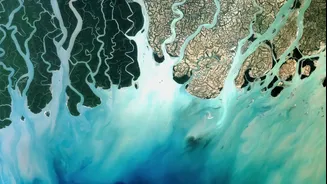
to September, this monsoon brings significant rainfall to states like Tamil Nadu, Puducherry, and coastal Andhra Pradesh. For Tamil Nadu, this period accounts for nearly half of its total annual rainfall, making it a crucial, and often intense, season. The winds, picking up moisture as they cross the Bay of Bengal, are what deliver these rains to the coast.
Rough Seas and Unpredictable Weather
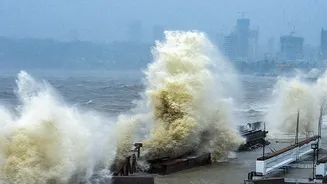
The most immediate impact on beachgoers is a dramatic change in sea conditions. The calm, inviting waters of other seasons are replaced by rough waves, strong currents, and a turbulent surf. Swimming, and even wading, becomes extremely dangerous. Authorities often put up red flags, which strictly prohibit entering the water. Days can shift quickly from sunny to overcast, with sudden, heavy downpours that can last for hours or even days. These conditions make typical beach activities like sunbathing, swimming, and water sports unsafe and often impossible.
The Heightened Risk of Cyclones
The Northeast Monsoon season is also the prime time for cyclonic activity in the Bay of Bengal. The warmer waters of the Bay are a breeding ground for low-pressure systems, depressions, and full-blown tropical cyclones that tend to move towards the Tamil Nadu and Andhra Pradesh coasts. These systems bring not only torrential rainfall and risk of flooding but also destructive winds and dangerous storm surges that can inundate coastal areas. The India Meteorological Department (IMD) closely monitors these developments and issues timely warnings for public safety.
Restricted Access and Closed Activities
During periods of rough weather or cyclone alerts, local authorities frequently restrict access to beaches altogether to ensure public safety. Lifeguard services may be suspended, and popular promenades or piers might be closed off. For travellers, this means that even a simple walk along the shore may not be possible. All commercial water sports operations cease during this period due to the hazardous conditions. Popular destinations like Marina Beach in Chennai and Rock Beach in Puducherry often have year-round swimming prohibitions that are strictly enforced during the monsoon.
How to Adapt Your Travel Plans
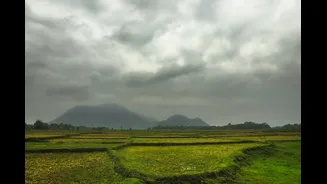
This doesn't mean you must cancel your trip, but it does require a shift in mindset. Instead of a typical 'sun and sand' holiday, embrace the dramatic beauty of the monsoon. The landscape becomes incredibly lush and green, and the skies can be breathtakingly atmospheric. Focus your itinerary on indoor activities, such as exploring local temples, museums, and markets. Enjoy the regional cuisine at local restaurants, or simply relax and watch the rain from a safe and cosy cafe or your hotel room. The key is flexibility; have backup plans that don't depend on a sunny day at the beach.
Essential Safety Tips for Travellers
If travelling to the eastern coast during this season, prioritize safety. Always check the latest forecasts from the IMD before and during your trip. Download weather apps that provide real-time cyclone and rain alerts. Always obey local warnings, including red flags on beaches and instructions from officials. It is wise to book refundable hotels and transport, as plans may need to change suddenly due to weather. Avoid venturing close to the sea, especially on rocky outcrops or piers which can be slippery and subjected to sudden large waves. Never, under any circumstances, enter the water, even if it looks deceptively calm.