




Maharashtra's Valley of Flowers
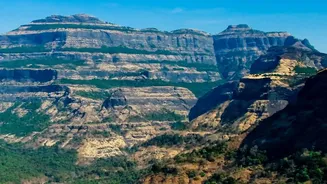
Just a few hours' drive from Pune and Mumbai, the Kaas Plateau, or Kas Pathar, is a UNESCO World Heritage biodiversity hotspot located near Satara. For most of the year, it's a rocky, windswept landscape. But after the monsoon, it undergoes a magical
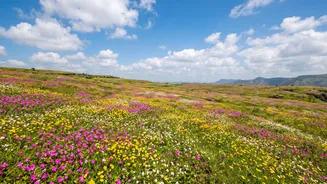
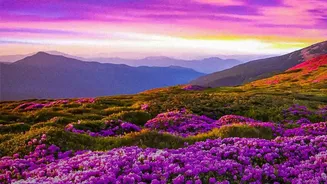
transformation. From late August to early October, the plateau comes alive with over 850 species of flowering plants, many of which are endemic and found nowhere else on Earth. This natural spectacle turns the entire area into a rolling carpet of pinks, purples, yellows, and whites, earning it the nickname "Maharashtra's Valley of Flowers." The 2026 flowering season is now underway, offering a brief window to witness this incredible phenomenon.
Planning Your Visit: Tickets and Timings
Visiting Kaas requires some planning, as authorities have put measures in place to protect its fragile ecosystem. Entry is limited to 3,000 visitors per day, divided into timed slots, so booking your tickets online in advance is highly recommended, especially for weekends. The plateau is generally open from 7 AM to 6 PM during the blooming season. The entry fee is typically around ₹100-150 per person. Remember to carry a printed copy of your entry ticket, as mobile screenshots may not be accepted. Booking ahead ensures you won't be turned away from this popular seasonal destination.
The Road Trip: Reaching the Plateau
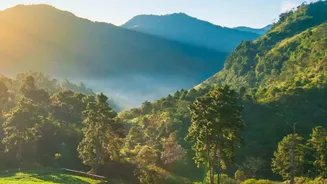
Kaas Plateau is an ideal road trip destination. From Pune, the journey is approximately 125-130 kilometres and takes about 3 to 4 hours via the NH48 towards Satara. From Mumbai, the distance is around 278 kilometres, with a drive time of 5 to 6 hours, also along the NH48. The drive itself is scenic, taking you through the lush landscapes of the Western Ghats. For those preferring public transport, Satara is the nearest major railway station, well-connected to both Mumbai and Pune. From Satara city, the plateau is a final 25-kilometre drive, which can be covered by hiring a local taxi.
What You'll See This September
The floral landscape of Kaas changes almost weekly. September is considered the peak month for blooms. Visitors can expect to see a vibrant mix of flowers like the yellow Smithia, also known as the Mickey Mouse flower, and Sonki. You may also spot pink and purple balsams, white pipeworts, and the intriguing Drosera indica, an insectivorous plant. The rare Karvi shrub, which flowers only once every seven or eight years, is another famous resident of the plateau. Every visit offers a slightly different view as various species take turns to dominate the landscape.
A Responsible Visitor's Guide
As a protected UNESCO site, visitors are urged to be responsible tourists. The most important rule is to stick to the designated pathways to avoid trampling the delicate flowers. Plucking flowers, littering, and using drones are strictly prohibited. It's a good idea to wear comfortable walking shoes, carry a reusable water bottle, and be prepared for changing weather with a jacket or raincoat. The goal is to leave the plateau exactly as you found it, ensuring its beauty can be preserved for years to come.
Beyond the Blooms: Nearby Attractions
To make your road trip even more memorable, consider exploring the attractions near Kaas. The serene Kaas Lake is just a short distance from the plateau. For those seeking more adventure, the Thoseghar waterfalls, among the highest in Maharashtra, offer a spectacular sight, especially after the monsoon. You can also enjoy boating on the Shivsagar Lake at Bamnoli, which serves as the base for treks to Vasota Fort. These nearby spots can easily round out a weekend itinerary.