





The Ancient Grains Making a Comeback
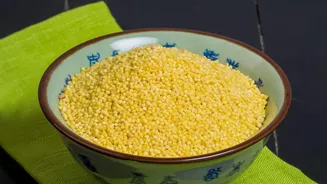
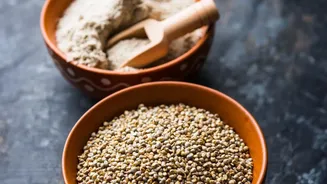
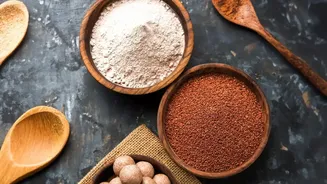
Long before quinoa and kale became buzzwords, millets like ragi (finger millet), jowar (sorghum), and bajra (pearl millet) were the nutritional backbone of Indian households for centuries. These hardy grains, mentioned in ancient texts like the Yajurveda,
have been cultivated in India for over 4,500 years. Often dismissed in recent decades as 'coarse grains', they are now being recognised for what they truly are: climate-resilient, nutrient-dense powerhouses that have sustained generations. Unlike modern wheat and rice, which often require significant processing, millets are whole grains that retain their impressive nutritional profile from farm to plate.
A Nutritional Powerhouse in Every Grain
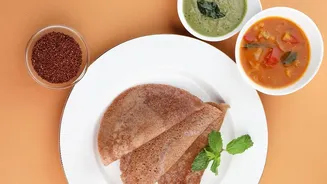
Millets offer a wealth of health benefits that modern diets often lack. They are naturally gluten-free, making them an excellent choice for those with sensitivities. Their high dietary fibre content aids digestion, promotes a feeling of fullness to help with weight management, and plays a crucial role in controlling blood sugar levels due to a low glycemic index. Different millets offer unique advantages: ragi is a champion of calcium, providing more than double what you get from milk, making it essential for bone health. Bajra is rich in iron, helping to combat anaemia, while jowar is packed with protein and antioxidants that support overall health.
The Wisdom of Traditional Preparation
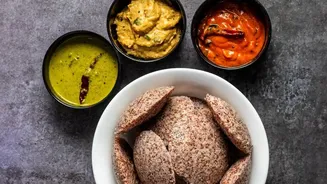
The true genius of heritage millet recipes lies not just in the grains themselves, but in how they are prepared. Traditional Indian culinary practices like soaking, sprouting, and fermenting are scientifically proven methods to unlock their full nutritional potential. Soaking millets for several hours helps break down 'anti-nutrients' like phytic acid, which can otherwise block the absorption of vital minerals like iron, zinc, and calcium. Fermentation, a process used to make staples like idli and dosa, goes a step further. It enriches the grains with probiotics, improves protein digestibility, and significantly increases the bioavailability of B-vitamins and minerals. This ancient wisdom transforms a simple grain into a supercharged, gut-friendly food.
From Bhakri to Mudde: Timeless Recipes
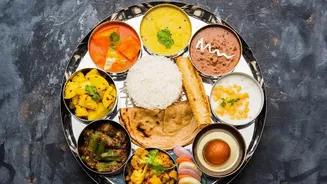
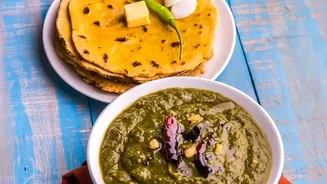
The versatility of millets is showcased in a diverse range of regional dishes that have been perfected over generations. In Maharashtra and Gujarat, jowar and bajra are transformed into wholesome bhakri or rotla, rustic flatbreads often enjoyed with a dollop of ghee. In Karnataka, ragi mudde, a dense ball of steamed finger millet flour, is a staple meal that provides sustained energy for hours. These heritage recipes, which also include comforting khichdi and nourishing porridges, are far more than just food. They represent a time-tested understanding of nutrition, combining millets with legumes and vegetables to create balanced, complete meals.
Beyond Fads: A Sustainable Choice for Health
Unlike imported 'superfoods' that trend for a season and then fade, millets are an enduring and sustainable part of India's agricultural heritage. They are resilient crops that require less water and can thrive in arid conditions, making them an environmentally friendly choice for farmers and consumers. By turning back to these heritage grains, we are not just embracing a healthier way of eating, but also supporting local food systems and preserving culinary traditions. Making a simple switch—like swapping a processed snack for a millet-based one or incorporating millet rotis into your weekly menu—is a step towards lasting health that goes far beyond temporary trends.