
The Divine Status of Milk
In Hindu traditions, milk holds a sacred and revered status. Sourced from the cow, a venerated animal, milk is considered a symbol of purity, life, and nourishment. It is a primary 'sattvic' food, one that promotes positive energy, making it an ideal
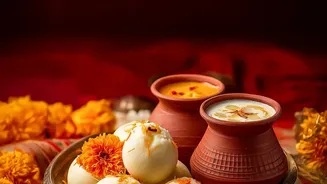
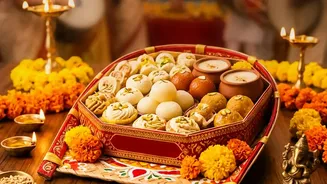
offering for deities. During Durga Puja, sweets made from milk are offered to the Goddess as 'bhog' or 'prasad', symbolising pure devotion and gratitude. This act of offering is a cornerstone of the worship, with the belief that presenting the purest foods is a way to seek divine blessings. The milky-white colour of many of these sweets also reinforces this idea of purity and auspiciousness, making them visually and spiritually fitting for the festive altar.
Chhena: The Heart of the Matter
The secret to the unique texture of most iconic Bengali sweets is 'chhena' — a fresh, unripened cheese made by curdling milk with a food acid like lemon juice. Unlike paneer, chhena is not pressed, which leaves it soft, moist, and perfect for kneading into a smooth, delicate base. Before the popularisation of chhena, Bengali sweets were typically made from 'kheer' (condensed milk solids), flours, and lentils. While delicious, these sweets lacked the light, spongy, and melt-in-the-mouth quality that chhena provides. The versatility of chhena allows it to be shaped into countless forms, from the spongy balls of rasgulla to the delicately moulded fudge of sandesh, providing a perfect canvas for a confectioner's creativity.
A Surprising Portuguese Connection
The journey of chhena into the heart of Bengali kitchens is a fascinating tale of cultural fusion. For a long time in India, the act of deliberately curdling milk was considered taboo and inauspicious. This changed with the arrival of Portuguese traders and colonists in Bengal in the 16th and 17th centuries. The Portuguese, with their love for cheese, introduced the technique of 'breaking' milk with an acidic agent. Local confectioners, known as 'moiras', observed this and began to experiment. This new method revolutionised sweet-making, leading to the creation of the soft, chhena-based sweets that are now synonymous with the region. As French traveller François Bernier noted in the 17th century, Bengal was celebrated for its sweetmeats, especially in areas inhabited by the Portuguese.
Iconic Sweets of the Season
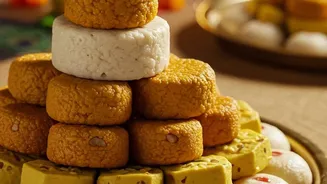
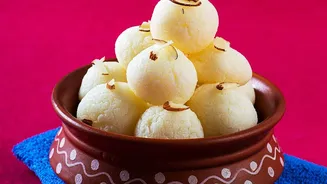
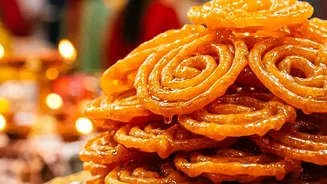
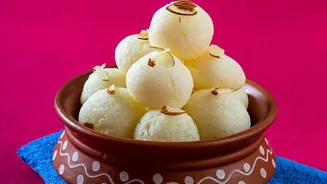
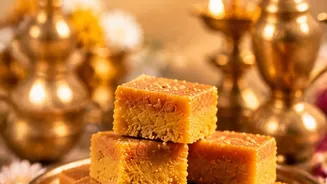
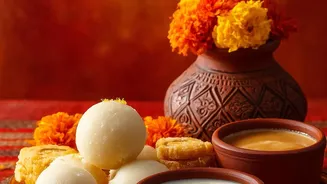
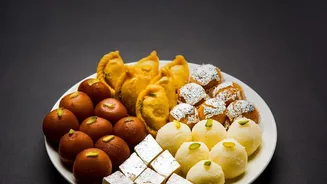
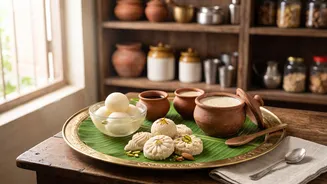
The pantheon of milk-based sweets enjoyed during Durga Puja is vast and beloved. Sandesh, often called the 'emblem of Bengaliness', is a delicate fudge made from finely kneaded chhena and sweetened with sugar or date palm jaggery ('nolen gur'). Rasgulla, another icon, consists of spongy chhena balls soaked in a light sugar syrup. Beyond these, there's the rich and crumbly Kalakand, made from condensed milk solids; the delightful Kheer Kadam, which features a tiny rasgulla encased in a layer of kheer; and Channar Jilapi, a jalebi-like sweet made from a chhena-based dough. Each sweet offers a different texture and experience, but all share the foundational goodness of pure milk.
More Than an Offering
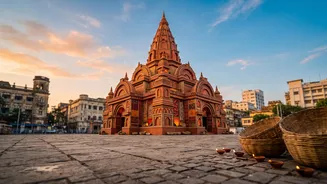
While these sweets begin as offerings to the Goddess, their role extends far beyond the puja rituals. Durga Puja is a time of immense community bonding, and sweets are the currency of connection. Boxes of sandesh and pots of rasgulla are exchanged between friends and family as gestures of goodwill. Visiting relatives' homes or pandals almost always involves sharing 'mishti'. These sweets are not just dessert; they are an integral part of the social fabric of the festival, symbolising joy, togetherness, and the sweet victory of good over evil that Durga Puja celebrates. They represent the hospitality and shared heritage that make the festival a truly communal and joyous occasion.