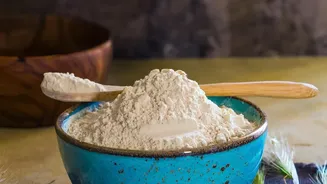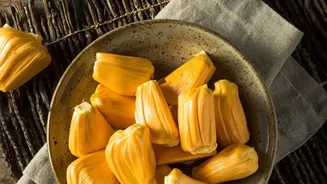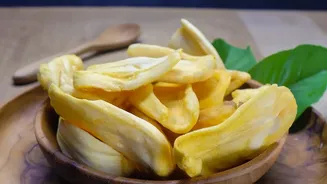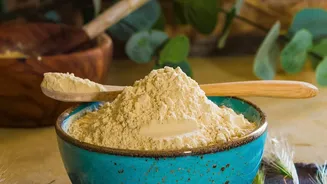



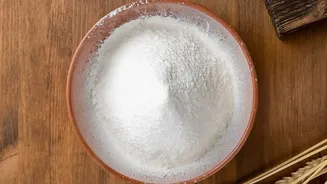
What is Jackfruit Seed Flour?
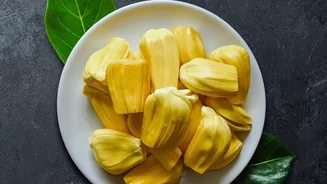
Imagine using every part of the beloved kathal, from its fleshy pods to its seeds. Jackfruit seed flour is made by processing the seeds that are typically thrown away. These seeds are cleaned, boiled or roasted to deactivate antinutrients like tannins,
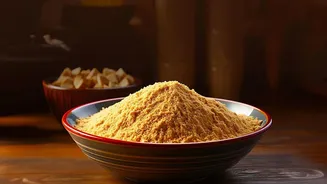
dried, and then ground into a fine powder. The result is a versatile, gluten-free flour with a mild, slightly nutty taste that can be used in a variety of sweet and savoury dishes. Because it utilises a part of the fruit that makes up 11-15% of its total weight and is often considered waste, it's a fantastic example of upcycling in the food industry.
A Nutritional Powerhouse
The claims of 'high-protein' and 'superfood' are well-supported. Studies show that roasted jackfruit seed flour can contain up to 17% protein, which is significantly higher than many other gluten-free flours like those made from rice or tapioca. It is a source of complex carbohydrates, including resistant starch, which is beneficial for gut health and helps in managing blood sugar levels. The flour is also packed with essential minerals like potassium, magnesium, and calcium, as well as antioxidants like flavonoids and saponins, which may help combat inflammation and boost immunity.
The 'Upcycled' Advantage
In a world increasingly focused on sustainability, jackfruit seed flour stands out. By creating a valuable product from what was once agricultural waste, it helps reduce the environmental burden of food production. Every year, large quantities of these nutritious seeds are discarded during processing. This upcycling not only minimises food waste but also creates a new, value-added product that can provide an additional source of income for farmers and processors. This approach aligns with a more circular economy, where resources are used to their fullest potential.
How to Use It in Your Kitchen
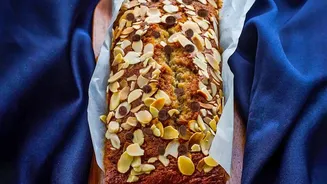
Integrating jackfruit seed flour into your diet is surprisingly easy. Its excellent binding properties make it a great addition to gluten-free baking, helping to reduce the crumbly texture often associated with such products. You can substitute a portion of regular flour (from 10% to 40% in recipes for biscuits or cookies) with jackfruit seed flour to boost the protein and fibre content. It works well in traditional Indian cooking for making rotis, dosas, or as a thickener in curries and soups. Its mild flavour ensures it won't overpower other ingredients, making it suitable for everything from pancakes and muffins to energy bars.
A Worthy Addition to Your Pantry?
As a naturally gluten-free, high-protein, and nutrient-dense option, jackfruit seed flour is more than just a passing trend. It offers a sustainable alternative to conventional flours and aligns with both health-conscious and eco-friendly lifestyles. While it may not completely replace wheat flour in all recipes, its ability to enhance the nutritional profile of foods is undeniable. For those with gluten sensitivities or anyone looking to add more plant-based protein and fibre to their diet, this upcycled superfood is certainly worth exploring.