



1. Maximise Ventilation
The simplest and most effective weapon against dampness is air circulation. Trapped, stagnant air holds moisture, so make it a point to open your windows and doors for at least 30 minutes each day. The best time to do this is when it's not actively raining,
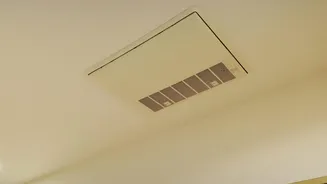
or when there's a good breeze. Cross-ventilation is key, so open windows on opposite sides of your home to create a current of air that pushes the humid air out. For areas with limited openings, like bathrooms and kitchens, running an exhaust fan can make a significant difference in pulling moisture out of the room.
2. Check and Seal Leaks
A small, unnoticed leak can be a major source of dampness. Before the monsoon fully sets in, or even during a dry spell, thoroughly inspect your home for any potential problem areas. Look for cracks in the walls, gaps around window frames, and any signs of water seepage from the roof or pipes. Sealing these entry points is crucial. Even minor repairs can prevent a significant amount of water from getting in and contributing to the overall humidity inside your home, helping you fix the problem at its source.
3. Use Natural Moisture Absorbers
You don't always need a machine to combat humidity. Several common household items are excellent at absorbing excess moisture from the air. Placing a bowl of rock salt or a few pieces of charcoal in damp corners can work wonders. Salt is a natural desiccant and will draw moisture out of its immediate environment. You can also create small pouches of charcoal and place them in cupboards or behind furniture. These are low-cost, effective, and easily replaceable solutions for tackling localised damp spots.
4. Protect Your Wardrobes
Cupboards and wardrobes are often hotspots for musty smells and mildew during the rainy season. To protect your clothes and linens, ensure there's enough space for air to circulate; avoid over-stuffing your closets. Placing moisture absorbers inside is a great preventive measure. Camphor, naphthalene balls, or silica gel pouches are all highly effective. Some people also use sticks of chalk or bags of neem leaves, which have anti-fungal properties, to help keep things dry and fresh.
5. Be Smart with Furniture
Wooden furniture is particularly susceptible to swelling and damage from high humidity. A simple but important step is to shift your furniture slightly, moving it a few inches away from the walls. This small gap allows air to circulate behind the furniture, preventing moisture from getting trapped between the wall and the wood. This reduces the risk of both mould growing on your walls and your expensive wooden pieces getting damaged by the damp air.
6. Invest in a Dehumidifier
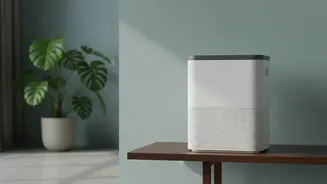
For homes that suffer from persistent and high levels of humidity, a dehumidifier can be a worthwhile investment. These appliances are designed specifically to pull excess moisture from the air, collecting it as water in a reservoir. Running a dehumidifier for a few hours each day, especially in enclosed spaces like bedrooms, can drastically improve air quality, reduce the feeling of dampness, and prevent the growth of mould and mildew. It's a powerful tool for maintaining a comfortable indoor environment during the wettest months.
7. Use Scents to Combat Mustiness
Even after you've taken steps to reduce moisture, a lingering musty smell can persist. To keep your home smelling fresh, consider using aromatic solutions. Lighting scented candles or using an essential oil diffuser can help mask unpleasant odours and create a more pleasant atmosphere. For a more direct approach to absorbing smells, a bowl of white vinegar or baking soda left out in a room for a few hours can effectively neutralise musty scents. Camphor is another popular option that helps with both scent and moisture.