





A Shock on a Damp Pitch
The stage was set at the Sano International Cricket Ground for a historic first-ever international match between India and Japan. However, a delay of nearly two and a half hours due to a wet outfield meant the contest was curtailed to a frantic, five-over-a-side
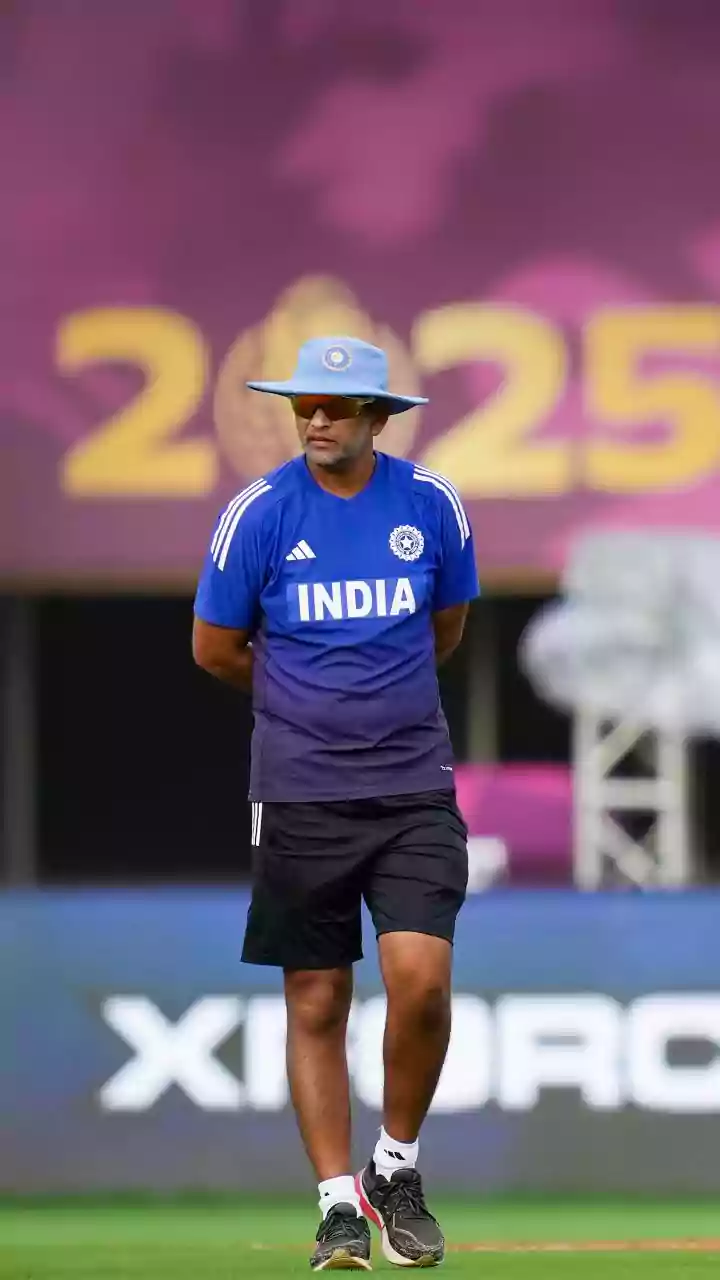
affair. After winning the toss, Indian skipper Shreyas Iyer opted to bat first, a decision that would quickly lead to one of the most surprising passages of play in recent memory. The conditions were tricky, with underlying moisture on the pitch proving to be a great equalizer. For a batting unit known for its power and depth, what followed was a stunning implosion that gave Japan a real chance at a monumental upset.
The Top-Order Tumble
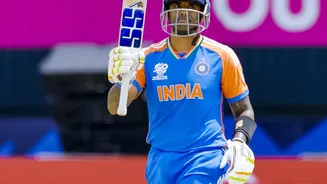
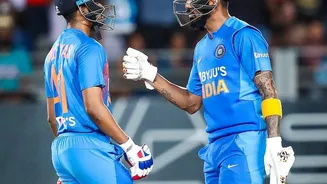
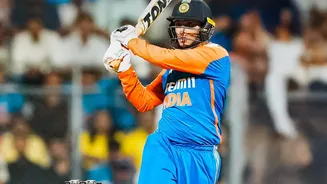
The trouble for India began almost immediately. Star opener Abhishek Sharma was dismissed for a first-ball duck, a disastrous start from which the team never truly recovered. Sanju Samson and Ishan Kishan, both experienced international players, also failed to make an impact. Samson was deceived by a flighted delivery, while Kishan miscued a shot, sending a simple catch to a fielder. In the blink of an eye, India's star-studded top order had been dismantled, leaving them reeling at a score that was their lowest-ever against an associate nation in T20Is. Only a late effort from captain Shreyas Iyer, who top-scored with 16, pushed India past the 30-run mark.
Japan's Spinners Steal the Show
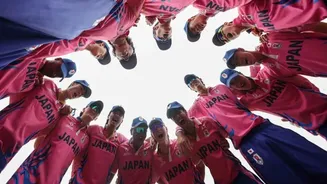
While the Indian batters struggled, Japan's bowlers executed their plans to perfection. Rather than being intimidated by the opposition's reputation, they used the conditions masterfully. Left-arm spinner Charlie Hara-Hinze was the standout performer, claiming two crucial wickets for just 17 runs in his two overs. He was ably supported by off-spinner Ibrahim Takahashi and Benjamin Ito-Davis, who each picked up a wicket. They bowled with discipline, taking advantage of the turn and slowness of the track. Their performance was a testament to their skill and the astute leadership of their captain, Kendel Kadowaki-Fleming, who understood the home conditions perfectly.
Averting Disaster, But Questions Remain
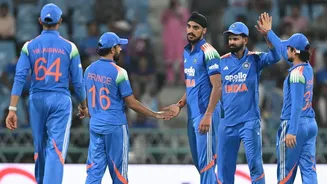
Setting a meager target of just 33 to win, India was staring down the barrel of a humiliating defeat. The task of defending the small total fell to the bowlers. While Japan had a golden opportunity to script one of the greatest upsets in cricket history, India's bowling unit, led by the likes of Axar Patel, Washington Sundar, and Ravi Bishnoi, held their nerve. They managed to restrict Japan and secure a victory, avoiding what would have been a truly historic loss. However, the win did little to paper over the cracks revealed by the batting collapse. The performance raised serious questions about the batters' ability to adapt to challenging conditions and was met with frustration and disbelief from fans online.