





Choose the Right Strawberry Variety
Success begins with selection. Not all strawberry plants are suited for pots or winter cultivation. Look for 'everbearing' or 'day-neutral' varieties. Unlike 'June-bearing' types that produce one large crop, these varieties produce fruit throughout the growing
season, making them ideal for a steady supply from a home garden. Varieties like Albion, Seascape, and San Andreas are popular choices that adapt well to container life. In the Indian climate, varieties such as Camarosa and Sweet Charlie have also shown good results in pots.
The Perfect Pot and Placement
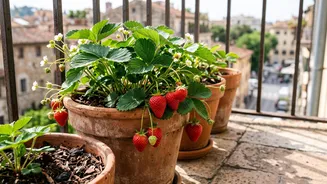
Your pot is your strawberry’s world, so make it a good one. A container at least 10-12 inches in diameter and 8 inches deep is a good starting point for a single plant. Good drainage is non-negotiable; ensure your pot has several drainage holes. Terracotta pots are excellent as they are porous and allow the soil to breathe, preventing waterlogging. For placement, strawberries need at least 6-8 hours of direct sunlight per day to produce sweet fruit. Find the sunniest spot on your balcony, preferably one that gets plenty of morning sun.
Soil, Planting, and Feeding
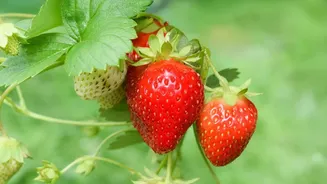
Strawberries thrive in well-draining, slightly acidic soil that is rich in organic matter. A high-quality potting mix combined with compost or well-rotted manure is a perfect recipe. When planting, ensure you buy healthy saplings or 'runners' from a nursery. Plant them so that the crown—the part where the leaves emerge—is just above the soil level. Burying the crown can lead to rot. Feed your plants with a balanced liquid fertilizer every 3-4 weeks during the growing season, but reduce feeding during the peak of winter to avoid stressing the plant.
Mastering the Art of Watering
Watering is a balancing act. Strawberries have shallow roots and prefer consistently moist soil, but they hate being waterlogged. Check the top inch of the soil; if it feels dry, it’s time to water. Water the soil directly and avoid wetting the leaves and fruit, as this can encourage fungal diseases. In winter, plants need less water than in summer, so adjust your frequency accordingly. A cold, damp pot can be a death sentence for your strawberry plant.
Winter Care and Protection
While many parts of India have mild winters perfect for growing strawberries, some northern regions can experience frost. If temperatures are expected to drop near freezing, you must protect your plants. Move the pots to a sheltered location against a wall or cover them overnight with a garden fleece or an old bedsheet. Don't let the cover touch the plant. Mulching the top of the soil with pine straw or dried leaves can also help insulate the roots from cold snaps and retain moisture.
Pest Management on a Balcony
Balcony gardens are less prone to pests, but not immune. Aphids, spider mites, and birds can still be a nuisance. Regularly inspect your plants, especially the undersides of leaves. A simple spray of neem oil solution can take care of most common insects without resorting to harsh chemicals. To protect your ripening berries from birds, you can cover your pots with a simple netting structure. Keeping the area clean and removing any dead leaves will also help prevent pests and diseases.