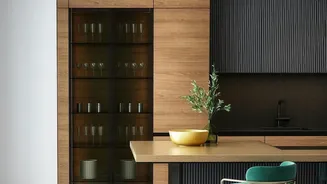





What Exactly is a Freestanding Larder?
Before refrigerators became common, a larder was a cool, ventilated space for storing perishable foods. Today, the term has evolved. A freestanding larder is a standalone piece of furniture, like a large cupboard, designed to hold dry goods, spices, and even
small appliances. Unlike a built-in pantry that is part of the kitchen's architecture, a freestanding larder is essentially a piece of furniture you can move. This distinction is key to its growing appeal, offering a departure from the wall-to-wall fitted cabinetry that has dominated kitchen design for decades. It's a single, dedicated hub for all your provisions, from dals and rice to snacks and breakfast cereals.
The Modern Appeal of an Old Classic
The resurgence of the larder is about more than just nostalgia; it's a practical response to modern living. There's a growing desire for kitchens that feel less like sterile labs and more like warm, lived-in extensions of our homes. A freestanding larder adds personality and character, breaking up the uniformity of fitted cabinets. It can be a statement piece, introducing a pop of colour or a contrasting material like solid oak to add depth and warmth. This shift towards the 'unfitted kitchen' look allows for more personal expression and a layered, considered feel that is difficult to achieve with standard installations. For renters or those in smaller homes, it offers significant storage without the need for permanent, structural changes.
Choosing Your Perfect Larder
When selecting a larder, the first considerations are size and placement. It needs to fit comfortably in your space without disrupting the kitchen's flow. Placing it near your main food prep area makes it highly functional. Look for a piece that complements your existing decor, either by matching the colour of your walls for a seamless look or by choosing a bold, contrasting shade to create a focal point. The material is also crucial. Solid wood units offer durability and can be repainted over the years, while more affordable options might use painted particle board. Crucially, check the interior configuration. A good larder will offer a mix of adjustable shelves, deep drawers, and racks on the inside of the doors for smaller items like spice jars and bottles.
Smart Ways to Organise Your Supplies
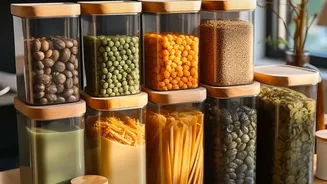
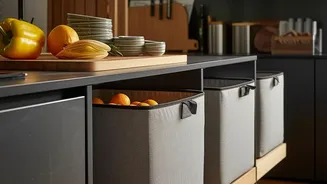
A larder is only as good as its organisation. To make the most of it, start by emptying your existing cupboards and grouping all your food items into categories like grains, snacks, baking supplies, and canned goods. Use clear, stackable containers for items like rice, flour, and pulses. Rectangular containers are more space-efficient than round ones. Arrange items with taller products at the back so you can see everything at a glance. Use the racks on the doors for frequently used items like spices and oils. You can create 'zones' for different meals, such as a breakfast shelf with tea, coffee, and cereals all in one place. Woven baskets are great for storing vegetables that don't need refrigeration or for corralling smaller, loose packets to keep shelves tidy. This systematic approach ensures you can find what you need quickly, reduce food waste, and keep countertops blissfully clutter-free.