




The Study's Core Question
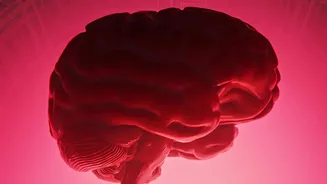
Researchers at Maastricht University Medical Center in the Netherlands wanted to explore the link between diet and brain health as we age. They designed a study to see if regular, long-term consumption of peanuts could affect brain function in healthy
older adults. Specifically, they looked at changes in blood flow to the brain, memory, and how the brain responds to insulin, a hormone that plays a key role in learning and memory processes. The goal was to see if this common legume could offer tangible benefits for our most vital organ.
How the 16-Week Trial Worked
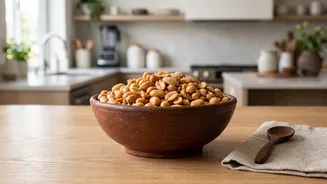
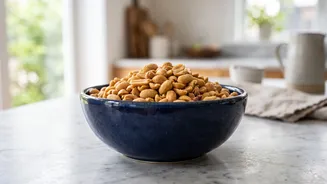
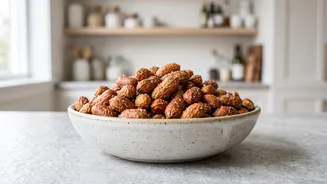
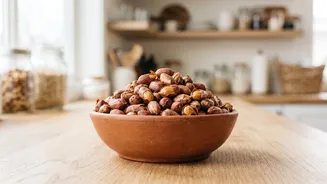
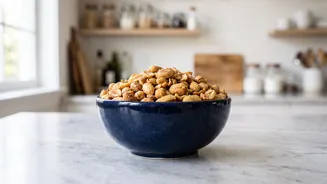
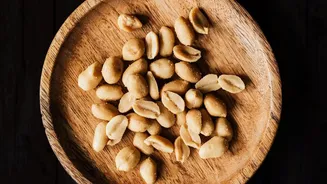
The study involved a small group of 31 healthy adults aged between 60 and 75. The design was a 'crossover trial', which is a rigorous method where each participant acts as their own control. For a period of 16 weeks, each person consumed about 60 grams of unsalted, skin-roasted peanuts daily—roughly two servings. This was followed by a 'washout' period, and then a 16-week control period where they ate no peanuts. This allowed scientists to directly compare the effects of the peanut diet versus a normal diet in the same individual.
What the Findings Revealed
The results were intriguing. After 16 weeks of eating peanuts, participants showed a 3.6% increase in overall cerebral blood flow (CBF), which is the circulation that supplies the brain with essential oxygen and nutrients. More specifically, they saw a 5.8% improvement in verbal memory. A more recent analysis of the same study also revealed that peanut consumption improved insulin responsiveness in parts of the brain critical for memory, such as the hippocampus. This is significant because the brain's ability to use insulin can decline with age.
Why Peanuts for Brain Health?
Peanuts, especially with their skins on, are packed with nutrients that may explain these benefits. They are a rich source of unsaturated fats, protein, and fibre. They also contain high levels of L-arginine, an amino acid the body uses to produce nitric oxide, which helps relax blood vessels and improve circulation. Furthermore, peanuts and their skins are full of bioactive compounds like polyphenols and resveratrol, which are known for their antioxidant and anti-inflammatory properties that can protect brain cells from damage.
A Handful of Hope, Not a Miracle Cure
While these findings are promising, it's important to put them in perspective. This was a small study, and experts caution against viewing peanuts as a magic bullet against cognitive decline or Alzheimer's disease. A preventive neurologist, Dr. Kellyann Niotis, noted that while the study is interesting, it's unlikely one single food holds that much power. Instead, the results should be seen as reinforcing the importance of overall healthy dietary patterns. The study adds to a growing body of evidence that what we eat has a direct impact on our brain's health as we get older, but it is just one piece of a much larger puzzle.