

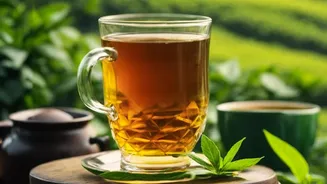

A Taste of the Mountains
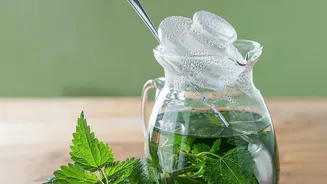
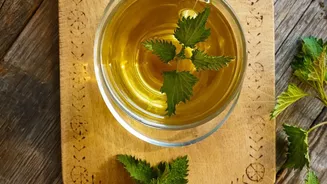
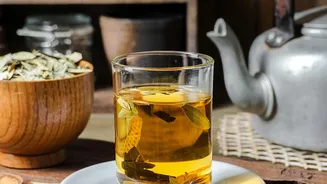
Across Himalayan villages in states like Uttarakhand, Himachal Pradesh, and Ladakh, a diverse array of milk-free beverages provides comfort and sustenance. These are not your typical teas. Consider 'kandali chai' or nettle tea, an earthy and nutrient-rich
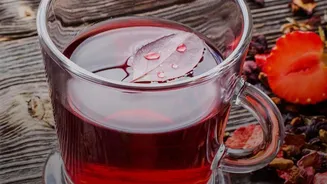
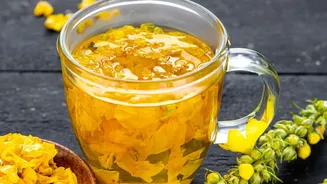
infusion made from stinging nettle leaves, long valued for its wellness properties. In Ladakh, the vibrant orange Sea Buckthorn tea is a local superfood, a tangy and refreshing brew packed with Vitamin C and antioxidants. Then there's the floral, almost mystical tea made from rhododendron flowers, the state flower of Uttarakhand. Each of these drinks tells a story of the landscape, brewed from plants that thrive in the harsh, high-altitude climate. They are often simply prepared: leaves or berries are steeped in hot water, sometimes with a touch of rock salt or honey, but never milk.
Born from the Land
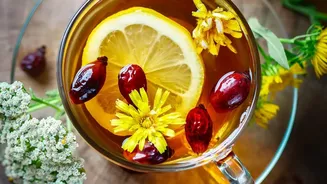
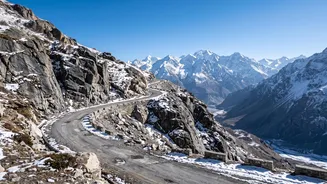
The primary reason for these milk-free traditions is geographical and ecological. At extreme altitudes, the terrain is challenging for large-scale dairy farming. While communities have traditionally kept animals like yaks and 'pahadi' cows, their milk is a precious resource, often reserved or converted into products with a longer shelf life like ghee and cheese. In contrast, the surrounding slopes are a natural pharmacy of wild herbs, flowers, and berries. Plants like nettle, mint, and sea buckthorn grow abundantly and are easily foraged. This biodiversity makes herbal infusions a more practical, accessible, and sustainable source of daily nourishment than milk-based drinks. The environment itself dictates the local diet, favouring what the land readily provides.
A Legacy of Wellness and Culture
These herbal brews are deeply embedded in cultural and medicinal traditions, often linked to Ayurveda and ancient folk knowledge. For generations, Himalayan communities have used these infusions as remedies and preventative tonics. Nettle tea is consumed for its high mineral content and to regulate blood pressure, while Sea Buckthorn is known to boost immunity, a crucial benefit when adjusting to high altitudes. These are not just casual beverages; they are a form of 'kadha' or decoction, a daily ritual to maintain health and balance the body against the harsh climate. The act of brewing these teas is also a way of preserving and passing down ancestral wisdom about the local flora, connecting the younger generation to their environment and heritage.
The Practicality of a Milk-Free Diet
Beyond geography and culture, there's a practical, biological reason for avoiding milk. A significant portion of the global population, including many in Asian communities, experiences some degree of lactose intolerance, where the body has difficulty digesting the sugar in milk. While dairy is a massive industry in India, many people find that avoiding milk in beverages can prevent digestive discomfort. Herbal infusions offer a gentle, easily digestible alternative. Furthermore, the focus of these drinks is on the therapeutic properties of the herbs themselves. Adding milk, which has its own strong flavour and digestive demands, would alter the delicate taste and intended health benefits of these carefully selected mountain botanicals.