
The Solemn Start: Gandhi Jayanti
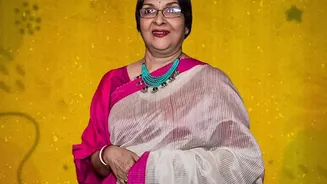
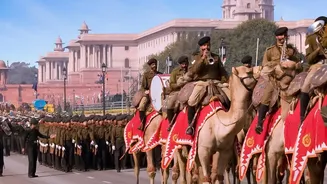
October begins with a nationwide public holiday on October 2nd, marking the birth anniversary of Mahatma Gandhi. In 2026, this falls on a Friday, creating a long weekend for many. While it's a day of reverence with prayer meetings, especially at Raj Ghat
in Delhi, it has practical implications for travellers. Expect banks, government offices, and post offices to be closed. Most notably, it is a dry day across the country, meaning the sale of alcohol is prohibited in hotels, bars, and shops. It's a day of peaceful reflection, but plan your shopping and dining accordingly.
Nine Nights of Dance: Navratri
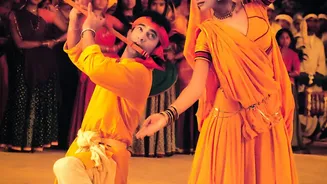
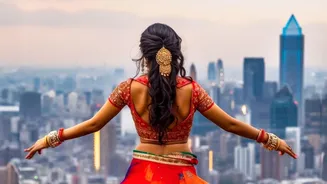
The main festive event of the month is Sharad Navratri, which in 2026 runs from October 11th to October 19th. These nine nights are dedicated to the goddess Durga and are celebrated with incredible regional diversity. In Gujarat and Mumbai, you'll find massive 'Garba' and 'Dandiya Raas' events, where thousands gather for nights of traditional dance. In the southern states, it's observed with the intricate 'Golu' doll displays. For travellers, this means you can witness spectacular cultural events. However, it also translates to higher demand for hotels and transport, especially in states like Gujarat. The energy is infectious, but be prepared for noisy nights and crowded public spaces.
The Grand Finale: Dussehra (Vijayadashami)
The culmination of Navratri is Dussehra, celebrated on October 20th, 2026. This festival marks the victory of good over evil, celebrating Lord Rama's defeat of the demon king Ravana. In many parts of North India, especially Delhi, this is symbolized by the burning of colossal effigies of Ravana, his brother, and his son. These events, known as 'Ravan Dahan,' draw enormous crowds. In Kolkata, it marks the end of Durga Puja, with processions carrying idols of the goddess for immersion in the river. For your itinerary, this means significant road closures and traffic diversions in major cities. Popular spots like the Ramlila Maidan in Delhi become epicentres of activity, making movement in those areas challenging.
Navigating the Festive Rush
The period from Navratri through Dussehra is one of the peak travel seasons within India. Many Indians travel to their hometowns or take short vacations, leading to a surge in demand for flights and trains. If your trip coincides with these dates, booking your transport well in advance is non-negotiable. Train tickets, in particular, can be fully booked months ahead. Hotel prices in popular tourist destinations and cities known for their celebrations (like Kolkata for Durga Puja or Mysuru for its grand Dussehra procession) will also see a significant spike. Inter-city and intra-city travel can be slower due to processions and crowds, so build extra time into your travel days.
Embrace the Experience
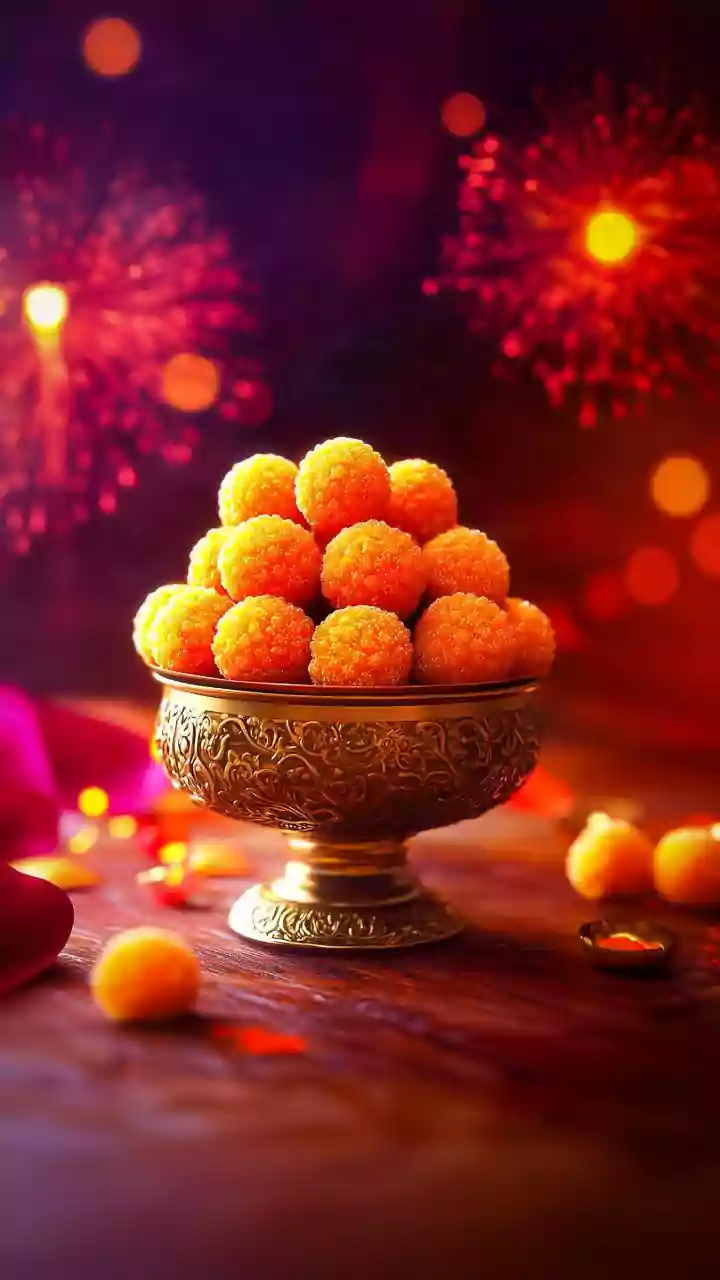
While the logistical challenges are real, travelling during India's festival season is an unparalleled opportunity. It's a chance to see the country at its most vibrant and culturally rich. Instead of viewing the festivities as an obstacle, consider them the main event. Participate in a local Garba night, witness the spectacle of a 'Ravan Dahan', or join the throngs for a Durga idol immersion. The festivals offer a unique window into the heart of Indian culture, complete with delicious festive foods, vibrant decorations, and an atmosphere of collective joy. With a bit of strategic planning, the festival calendar can transform your trip from a simple holiday into a memorable cultural immersion.