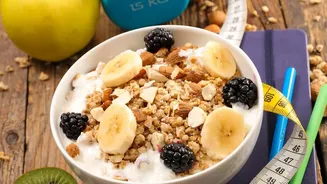







The Foundational Philosophy: Eat Traditional
At the heart of Rujuta Diwekar's advice for every life stage is a simple, powerful principle: eat local, seasonal, and traditional foods. She encourages moving away from fad diets and calorie counting, focusing instead on nutrient-dense meals that are
culturally relevant and environmentally sustainable. This means embracing the wisdom passed down through generations—like adding ghee to meals, eating rice without fear, and enjoying seasonal fruits. This core philosophy doesn't change with age; it provides a stable foundation upon which to build a health plan that adapts to your body's evolving needs. The goal is to nurture your body, not punish it.
Your 20s: Building a Strong Base
The twenties are often a time of building careers and social lives, where health can take a backseat. Diwekar's approach for this decade is about establishing strong, consistent habits. This isn't about extreme workouts but about integrating regular movement into your week. She recommends starting with strength training at least once or twice a week to build muscle and bone density, which will serve you for decades to come. Nutrition-wise, the focus is on consistency. Starting the day with a fresh fruit or soaked almonds, rather than caffeine, helps regulate energy levels. This decade is crucial for creating a fitness foundation that prevents health issues later in life.
Your 30s and 40s: Navigating the Busiest Years
For many, especially women, the thirties are a critical decade. It's when bone mineral density peaks and hormonal shifts begin. This period is often marked by high stress, demanding careers, and family responsibilities, which can lead to weight gain and fatigue. Diwekar's advice focuses on practical, time-efficient strategies. This includes eating a wholesome meal between 4 p.m. and 6 p.m., such as a handful of roasted chana or groundnuts, to prevent overeating at dinner. Regular strength training becomes even more crucial, with a recommendation of at least two sessions per week to combat muscle loss, which accelerates after 30. Simple, home-cooked meals like dal and rice for dinner are encouraged, as they are easy to digest and aid recovery.
Pregnancy and Postpartum: Nourishment and Recovery
Pregnancy is a time for deep nourishment, not dietary restriction. Diwekar’s book 'Pregnancy Notes' details a holistic approach that begins even before conception by improving insulin sensitivity through diet and exercise. During pregnancy, the focus is on traditional, nutrient-rich foods. After delivery, the emphasis shifts to recovery. Gentle movement and foods that support healing are key. Adding ghee to meals helps with joint health and nutrient absorption, while heritage recipes provide the comfort and strength needed during this demanding phase. The goal is to support the mother's health so she can best care for her newborn.
Menopause and Beyond: Strength and Stability
Menopause brings significant hormonal changes that can affect everything from mood and sleep to skin and hair. Diwekar stresses that this is not a time for extreme diets or fasting, which can worsen symptoms. Instead, she advises sticking to a traditional, varied diet and incorporating foods that support hormonal health, like root vegetables. Exercise becomes vital for maintaining bone density and strength. A weekly routine should include at least two days of strength training, alongside other activities like yoga to improve flexibility and stability. A short, 20-minute afternoon nap and an earlier bedtime can also help manage symptoms and improve overall well-being.