


The Illusion of Space
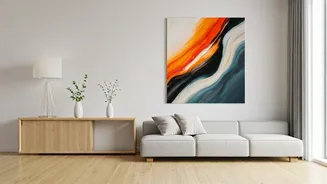
It sounds counterintuitive, but a single piece of oversized art can make a compact room feel significantly larger. The most common mistake in decorating a small space is filling it with numerous small items. While a gallery wall of little frames can be
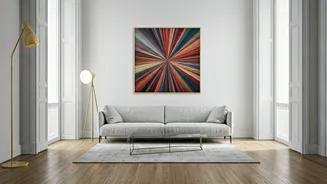
charming, it often creates visual noise, forcing the eye to jump from point to point and highlighting the room's limited dimensions. In contrast, one large, captivating artwork creates a single, powerful focal point. This strategy simplifies the room's visual language, reduces clutter, and allows your brain to perceive the wall as more expansive, making the entire room feel calmer and more open.
Choosing Your Statement Piece
The key to this approach is selecting the right piece. A simple rule of thumb from interior designers is the two-thirds rule: any art hung above a piece of furniture, like a sofa or bed, should be about two-thirds the width of the furniture below it. This ensures the art feels anchored and proportional, rather than floating awkwardly. When it comes to style, look for pieces that create a sense of depth. Landscapes with distant horizons, abstract works with plenty of negative space, or pieces with cool, receding colours like blues and soft greens can make a wall feel further away.
The Art of Placement
Where you hang your art is just as important as what you hang. Positioning a large piece at a natural eye level—typically with the centre of the artwork about 145-155 cm from the floor—creates a balanced, intentional look. When hanging above furniture, leave a gap of around 15-25 cm between the bottom of the frame and the top of the sofa or headboard. Don’t be afraid to use vertical space, either. A tall, narrow piece can draw the eye upward, giving the illusion of higher ceilings. In a tight hallway, a large piece at the end can create a stunning gallery-like effect, turning a functional corridor into a destination.
More Than Just Paintings
A statement piece doesn't have to be a traditional painting. Large-scale photography can act as a window to another world, especially scenic shots that add depth. A beautiful textile, like a tapestry or a quilt, can add texture, warmth, and colour without the formality of a frame. Even a large, ornate mirror can work wonders; by reflecting light and the room itself, it effectively doubles the visual space while serving as a decorative focal point. The goal is to find one item that commands attention and defines the character of the room.
Let It Breathe
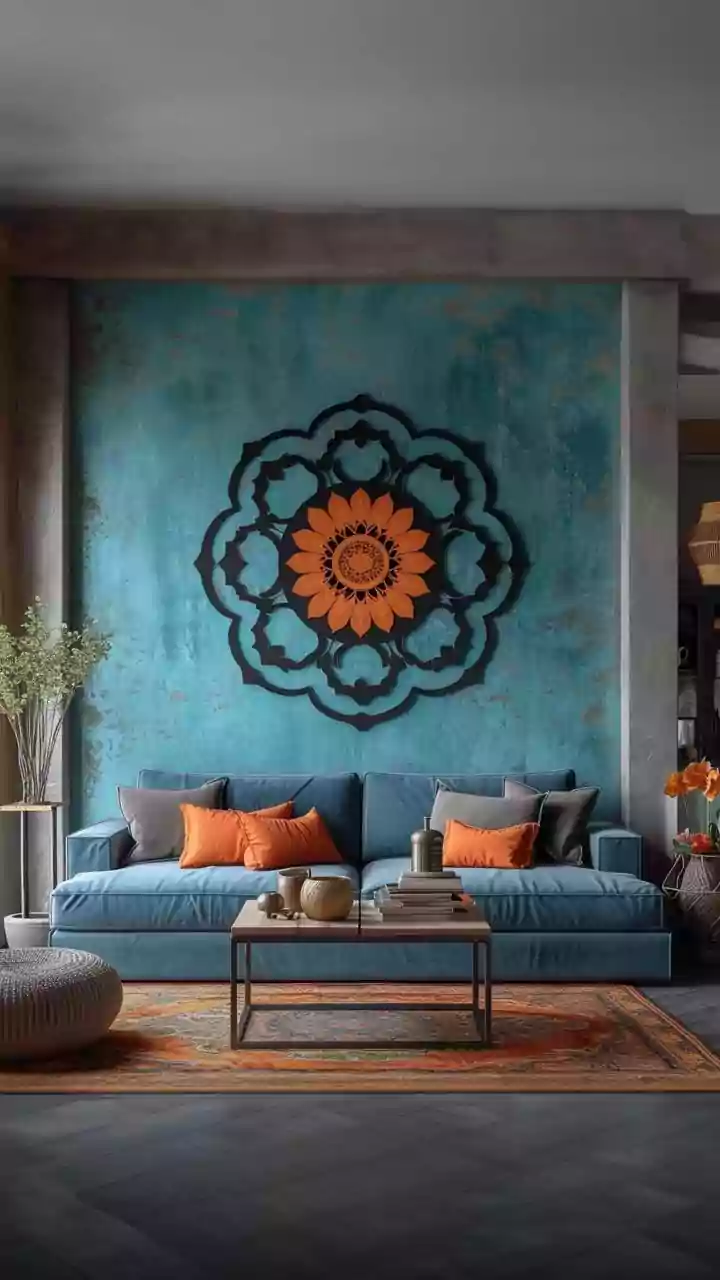
For the “big art” strategy to truly work, the chosen piece needs to be the hero. This means the rest of the room should play a supporting role. You don't need to strip the room down to stark minimalism, but resist the urge to fill every other surface with small decorative objects. Keeping surrounding walls and surfaces relatively clear allows the statement piece to breathe and prevents the space from feeling chaotic. By creating one bold anchor, the rest of your functional furniture and accessories will feel more cohesive and the room as a whole will appear more curated and intentional.