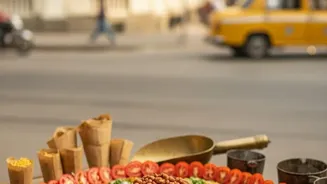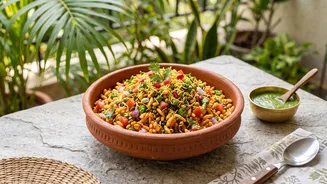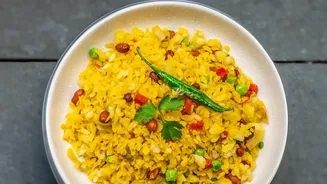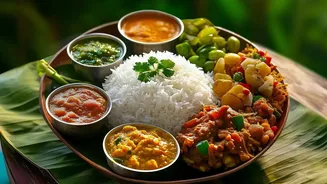





Forget the standardised curries that once defined Indian food for the world. A quiet but powerful revolution is underway, as travellers and foodies alike bypass the familiar in search of something far more exciting: authentic, micro-regional flavours.
Beyond the Big Names
For decades, 'Indian food' was often a catch-all for a few North Indian staples like butter chicken and naan. While delicious, these dishes represent a tiny fraction of the country's immense culinary diversity. Today, a significant shift is taking place. There is a growing fascination with micro-cuisines — foods specific to a sub-region, community, or even a single village. Think beyond broad categories like 'Maharashtrian food' and delve deeper into the fiery, spice-heavy Saoji cuisine from Nagpur or the coastal seafood specialities of Malvani food from the Konkan coast. This movement is about exploring the nuances that geography, climate, and local culture impart on a region's plate. It's a departure from the one-size-fits-all menu and a journey into the heart of what makes India's food landscape so complex and rewarding.
The New Culinary Explorers
So, what's driving this hunger for hyperlocal food? A major catalyst is the modern Indian traveller. Armed with curiosity and fuelled by social media, today's tourists are seeking more than just picturesque sights; they want immersive experiences. Platforms like Instagram and YouTube have become powerful tools for food discovery, turning little-known local eateries and home cooks into overnight sensations. Food bloggers and influencers are instrumental, showcasing the rich heritage of dishes like Kashmiri Wazwan or Chettinad cuisine, encouraging a new generation to rediscover their own culinary roots. This digital word-of-mouth creates a direct line from seeing a dish online to seeking it out in person, effectively making 'shelf discovery'—exploring a place through its markets and ingredients—a new form of souvenir hunting.
Chefs Championing Forgotten Flavours
This trend is not just a consumer-led phenomenon. A new generation of Indian chefs is actively championing this movement. Many are turning away from international trends to look inward, unearthing forgotten recipes and indigenous ingredients from their own backyards. Chefs like Suraj Thapa and Sanjeev Kapoor are bringing heirloom recipes from Bengali and Keralan kitchens to the forefront, celebrating traditions that were at risk of being lost. Restaurants like Masque in Mumbai and The Bombay Canteen have built their entire philosophy around celebrating India’s regional diversity, focusing on farm-to-table sourcing and reviving traditional cooking techniques. This has sparked a renaissance, proving that culinary innovation doesn't always mean looking outwards, but can also involve a deep, respectful dive into one's own heritage.
The Economic Recipe for Success
The rise of micro_regional food is more than just a cultural trend; it's a significant economic driver. Culinary tourism is projected to be a massive market in India, expected to grow from USD 15.9 billion in 2026 to over USD 67 billion by 2036. When travellers venture into smaller towns and villages in search of a specific dish, they spend money at local eateries, markets, and homestays. This creates a sustainable ecosystem that supports small businesses, farmers, and artisans. It provides a powerful incentive for communities to preserve their unique culinary traditions, as these flavours become a valuable cultural and economic asset. This form of tourism helps brand a destination, offering an authentic experience that mass_market tourism often misses and contributing directly to the local economy.