


The secret to a calm, well-fed week isn't just batch cooking; it's how you prepare for it. A twice-weekly rhythm is more manageable than a Sunday marathon, and organising your ingredients beforehand is the key to making it truly effortless.
Why Pre-Organisation Matters
Before you
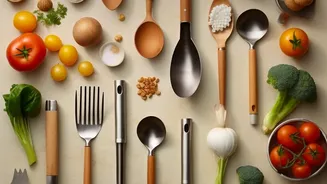
chop a single onion, understanding the 'why' makes the 'how' much easier. Organising your ingredients before you start the actual cooking process is the culinary equivalent of 'mise en place', a French term meaning 'everything in its place'. This isn't just for restaurant chefs. For home cooks, it transforms a potentially chaotic session into a smooth, streamlined process. It reduces mental load, minimises cleanup, and significantly cuts down on active cooking time. By prepping ingredients for a few meals at once, you eliminate the daily question of 'what's for dinner?' which frees up mental energy for other tasks. This initial investment of time pays dividends all week long, leading to less food waste, healthier choices, and more money saved as you'll be less tempted by last-minute takeaways.
The Master Plan: Recipes and Lists
A successful prep session starts with a pen and paper, or your favourite notes app. Begin by choosing your recipes for the next three to four days. Since you'll be cooking twice a week, you're only planning for a short window, which keeps ingredients fresher. Look for recipes that share common ingredients. For example, if you're making a chana masala and a mixed vegetable sabzi, both might use an onion-tomato base. You can prepare this base in one large batch and split it. Once your recipes are chosen, create a master grocery list. Check your pantry and fridge first to avoid buying duplicates. This simple step of planning prevents over-buying and ensures you have everything you need before you begin, avoiding a frustrating mid-prep run to the store.
The Prep Session: Wash, Chop, Store
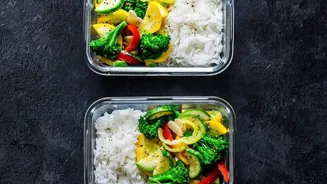
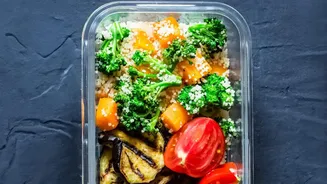
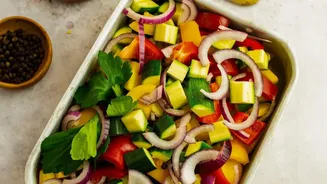
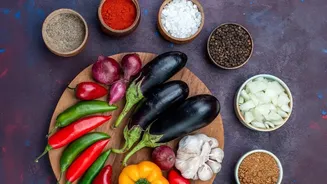
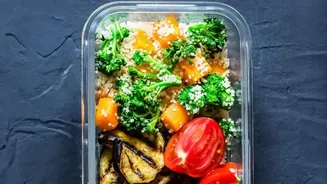
Set aside a dedicated block of time for your prep. Think of it as an assembly line. Start by washing and drying all your produce. Then, move on to chopping, dicing, and slicing. Onions, garlic, ginger, and tomatoes can be prepped and stored in airtight containers. Harder vegetables like carrots, bell peppers, and broccoli hold up well when chopped in advance. For Indian cooking, this is the time to make your ginger-garlic paste or onion-tomato masala base. You can also cook base components like a large batch of dal, quinoa, or rice that can be used in different combinations throughout the week. The goal is to cook components, not necessarily entire finished meals, giving you flexibility.
Smart Storage for Maximum Freshness
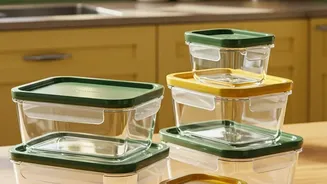
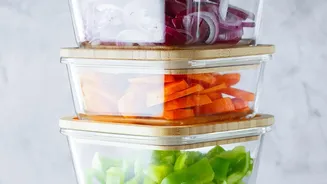
How you store your prepped ingredients is crucial for maintaining freshness and safety. Invest in clear, airtight containers so you can easily see what you have. Glass containers are a great option as they don't stain or hold odours and can often go from the fridge to the microwave. Always label containers with the contents and the date. To prevent vegetables from getting soggy, you can line containers with a paper towel to absorb excess moisture. Store prepped ingredients in the fridge and aim to use them within three to four days. For food safety, raw meat should always be stored on the bottom shelf of the fridge to prevent any juices from contaminating other foods.
Assembling Your Mid-Week Meals
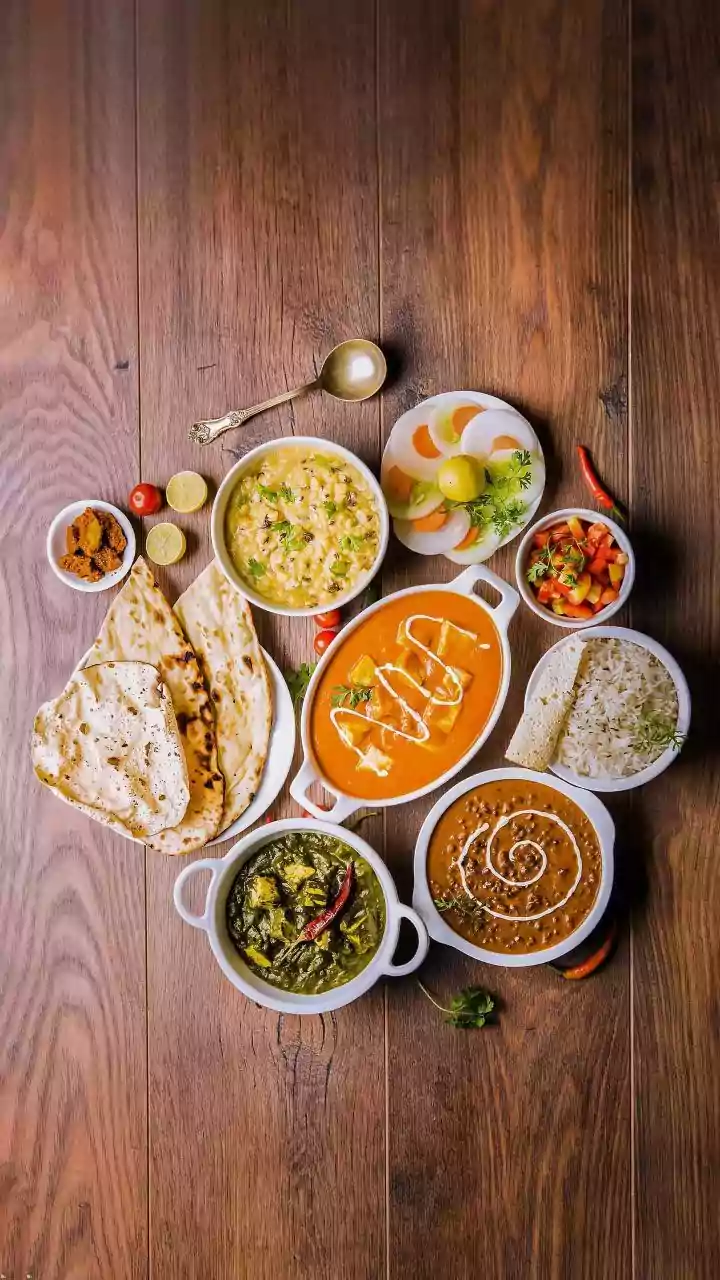
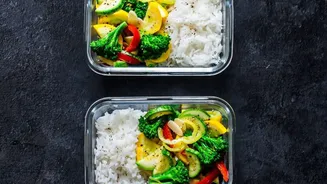
This is where your earlier efforts truly shine. On a busy weeknight, instead of starting from scratch, you're simply assembling. Pull out your prepped vegetables, your container of cooked dal, and your prepped tadka. A fresh, home cooked meal can come together in 15 minutes instead of 45 minutes that pre cooked quinoa can become a quick salad for lunch one day and a side for a curry the next This component based approach allows for variety preventing the flavour fatigue that can come from eating the exact same pre portioned meal every day You can easily create different meal combinations from the same set of core ingredients keeping your dinners interesting and delicious.