

Mint (Pudina)
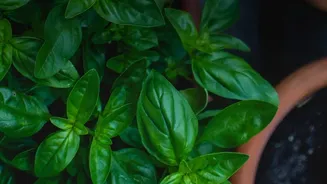
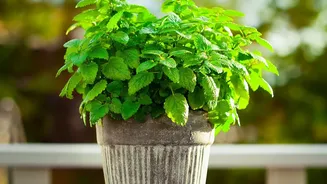
Perhaps the most forgiving and enthusiastic of all shade-tolerant herbs, mint is a must-have. This fast-growing plant actually prefers cooler, shadier spots over intense, direct sun which can scorch its leaves. Its resilience makes it perfect for beginners.
Plant it in its own pot, as mint is famously invasive and will eagerly take over any shared space. Keep the soil consistently moist but ensure good drainage to avoid root rot, a common issue in shadier spots where soil dries slowly. Trim it regularly to encourage bushier growth. Soon you'll have an endless supply for chutneys, raitas, and refreshing summer drinks.
Coriander (Dhania)
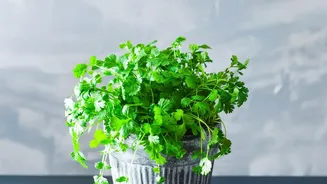
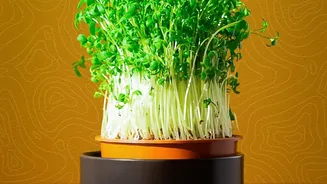
Good news for Indian cooks: coriander, or cilantro, can be grown in partial shade. In fact, growing it out of the harsh, direct sun can be a benefit. Hot weather causes coriander to 'bolt'—flower and go to seed prematurely—which stops leaf production. A cooler, shadier spot can extend your harvesting season significantly. It can be grown from seeds sown directly into a pot with loose, well-draining soil. Like many other herbs, it doesn't enjoy being transplanted. Keep the soil lightly watered and you can be harvesting fresh garnishes in just over a month.
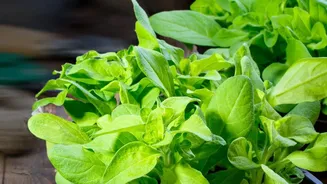
Parsley
This popular garnish and cooking herb doesn't need a full day of sun to thrive. Parsley does well with just a few hours of gentle morning light or bright, indirect illumination for the rest of the day. Growing it in shadier conditions can even result in softer, greener leaves compared to those grown in full sun. It's packed with nutrients and is perfect for pots on a kitchen counter or a less sunny balcony spot. To harvest, snip the outer stems, which encourages the plant to produce new growth from the centre. Both flat-leaf and curly varieties perform well in lower light.
Chives
If you want a subtle onion or garlic flavour on hand, chives are an excellent choice. These members of the onion family are hardy perennials that handle low light with ease. Their slender, grass-like leaves are perfect for snipping into salads, eggs, and soups. Chives grow in clumps and are not demanding; they will produce well in a container near a window that doesn't get direct sun. Water them when the top inch of soil feels dry and ensure the pot has good drainage. Snip the leaves close to the base, and they will regrow, providing a continuous harvest.
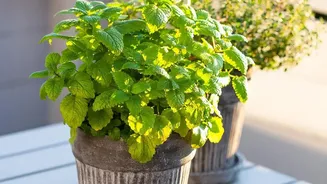
Lemon Balm
A member of the mint family, lemon balm shares its cousin's tolerance for shade and its tendency to spread if not contained. It's known for its wonderful citrusy fragrance and is a favourite for making calming herbal teas. Lemon balm can grow steadily with just a few hours of indirect light each day, making it a perfect indoor plant. It prefers cool temperatures and consistent watering. To keep the plant from getting lanky and sparse, pinch back the tips regularly. This will promote a fuller, bushier plant and give you plenty of aromatic leaves to use fresh or dried.
Tips for Low-Light Success
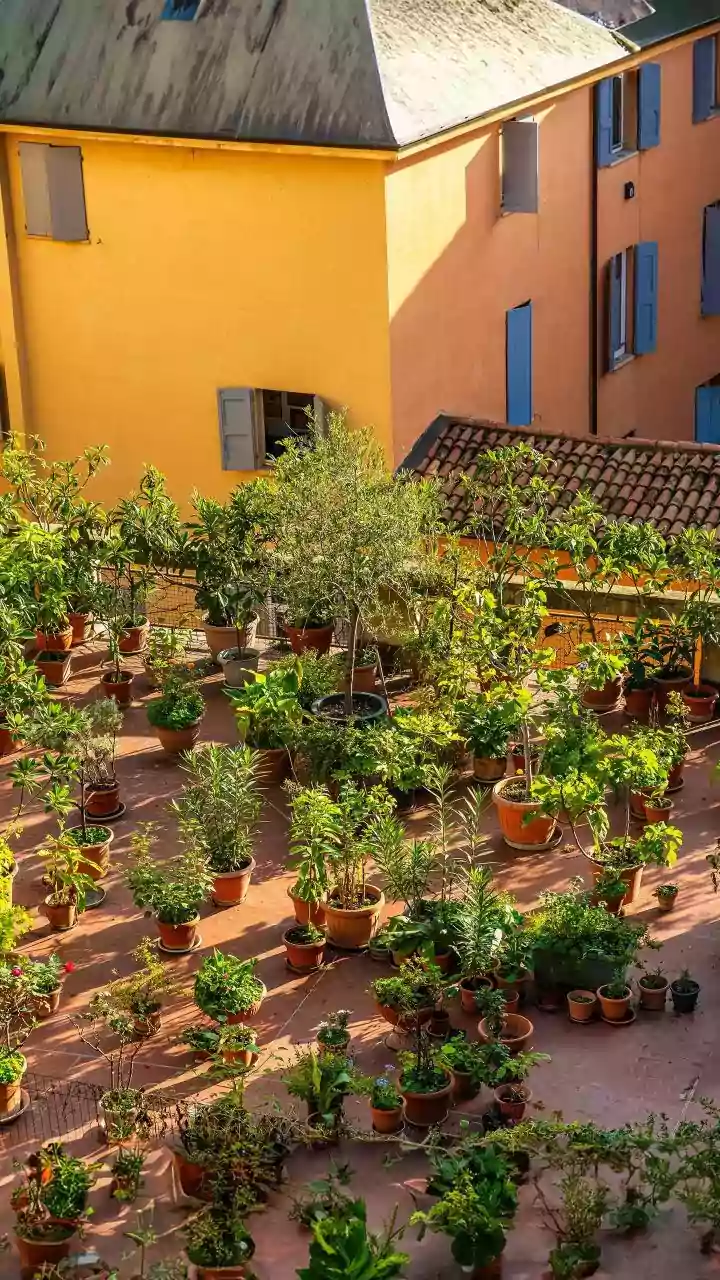
Growing herbs in the shade requires a slightly different approach than gardening in the sun. The biggest danger is overwatering. Shaded soil stays wet longer, so always check if the top inch of soil is dry before watering again. Good drainage is crucial to prevent root rot. Also, ensure good air circulation to prevent issues like powdery mildew, which can occur when leaves stay damp. While these herbs tolerate shade, they do not grow in complete darkness. Position them in the brightest spot you have, even if it's just indirect light from a window. Leggy growth—long, weak stems—is a sign the plant is stretching for more light. While still edible, you can encourage bushier growth by trimming regularly.