


As winter arrives, a familiar debate enters Indian kitchens: is it wise to eat curd? This beloved staple faces seasonal suspicion, with many fearing it can cause colds. Let’s separate the long-held beliefs from nutritional facts.
The Great Winter Curd Debate
For generations, the advice
passed down in many Indian households is to avoid curd, or 'dahi', once the temperature drops. The common belief is that curd has a 'cooling' effect on the body, making one more susceptible to colds, coughs, and sore throats during winter. This idea is so pervasive that many people shelve this nutritious food entirely for several months, fearing it will aggravate respiratory issues or even cause joint pain in the cold. But is this caution backed by modern science, or is it a myth that deserves to be questioned? The answer, it turns out, is not a simple yes or no, but lies in understanding how this fermented food works and how we consume it.
Nutrition Remains Unchanged and Powerful
First, let's address the core question: does cold weather alter the nutritional profile of curd? The answer is a clear no. Curd remains a nutritional powerhouse regardless of the season. It is an excellent source of high-quality protein, essential for muscle maintenance and overall body function. It's packed with calcium and phosphorus, which are vital for strong bones and teeth. Furthermore, it provides a healthy dose of Vitamin B12 and B2, magnesium, and potassium. These nutrients don't magically disappear when the weather gets chilly. In fact, some of curd's most important properties become even more valuable during winter.
Your Immune System's Best Friend
Winter is often synonymous with a weakened immune system and a higher risk of infections. This is where curd's star component comes into play: probiotics. Curd is a fermented food teeming with live, beneficial bacteria that support a healthy gut microbiome. A flourishing gut is the cornerstone of a robust immune system. These good bacteria help the body defend itself against harmful pathogens, potentially reducing the frequency and severity of common winter ailments. So, by avoiding curd, you might be missing out on a natural, food-based immunity booster precisely when you need it most. The probiotics help maintain a healthy digestive tract, ensuring better nutrient absorption and overall well-being.
The Ayurvedic Perspective
So where does the belief about avoiding curd come from? Much of it is rooted in Ayurvedic principles. Ayurveda suggests that curd can increase 'Kapha dosha' in the body, which is associated with mucus production and congestion. For this reason, Ayurvedic practitioners often advise individuals who are prone to asthma, sinusitis, or frequent coughs and colds to be cautious. It is believed that consuming curd, especially at night or when it's cold, can aggravate these conditions by promoting mucus formation in the respiratory tract. This doesn't mean Ayurveda considers curd 'bad', but rather that its consumption should be tailored to an individual's constitution and current state of health. It advises against it for those already dealing with phlegm-related issues.
The Verdict : It’s How You Eat It
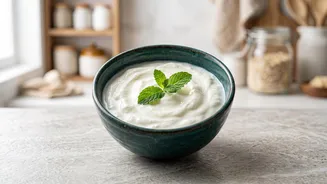
Most nutritionists and health experts today agree that healthy individuals do not need to give up curd in winter. The consensus is that the problem isn't the curd itself, but the way it's consumed. Eating a bowl of curd straight out of the refrigerator can indeed be problematic. The cold temperature of the food can temporarily constrict the throat, causing irritation for some sensitive individuals. This is often misinterpreted as a property of the curd itself. The key, therefore, is to consume it correctly to reap its benefits without any potential side effects. By making a few simple adjustments, you can continue to enjoy this superfood all year round.
Smart Tips for Winter Consumption
To enjoy curd safely in winter, follow these simple guidelines. First and foremost, avoid eating it cold. Take it out of the fridge at least an hour before consumption and allow it to come to room temperature. Secondly, timing is crucial. The best time to have curd is during the day, preferably with your lunch when your digestive system is at its peak. Avoid consuming it late at night or for dinner, as it may be harder to digest and could contribute to the issues Ayurveda warns about. Lastly, consider adding a pinch of roasted cumin (jeera) powder or black pepper to your bowl. These spices are believed to counteract the 'cooling' nature of curd and aid digestion, making it more suitable for the winter season.