








The Call of a Fragile Paradise
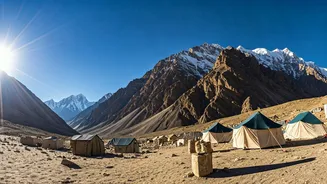
Spiti Valley, a sliver of Tibetan-like terrain nestled in Himachal Pradesh, has long been a siren call for adventurers. Its stark mountains, winding roads, and vibrant Buddhist culture offer an escape from the clamour of modern life. But this beauty is incredibly
fragile. As a high-altitude desert, resources like water are scarce, the growing season is short, and the ecosystem is delicately balanced. For years, the slow creep of tourism threatened this balance, introducing a modern menace: plastic waste. With no formal waste management systems capable of handling the influx, plastic bottles, wrappers, and bags began to scar the pristine landscape, creating a problem that locals had never faced before.
The Rise of the Conscious Traveller
In response to this threat, a powerful counter-movement began, not just from local communities but also from a new generation of travellers. These visitors are less interested in ticking off a checklist of sights and more invested in leaving a place better than they found it. For them, Spiti’s appeal is no longer just its landscape but its leadership in responsible tourism. The term 'zero-waste' here is less about achieving a literal perfect state and more about a collective, conscious effort. It represents a commitment from both locals and visitors to minimise their environmental footprint through deliberate, everyday actions. This shared ethos is turning Spiti into a blueprint for what sustainable travel in the Himalayas can look like.
How Spiti Is Building a Green Future
This transformation is being driven by grassroots initiatives. Local organisations and community leaders have been at the forefront, championing projects that tackle waste and promote sustainability. In villages like Komic and Langza, single-use plastics are actively discouraged, with some areas banning them outright. Travellers are encouraged to refill their own water bottles from designated filtered water stations instead of buying packaged water. Social enterprises have also emerged, creating products from recycled waste and training locals in sustainable practices. These are not top-down government mandates but community-led efforts born from a desire to protect their ancestral land, making the movement authentic and deeply rooted in the local culture.
The Homestay Revolution
At the heart of Spiti’s sustainable model is the homestay. Instead of large, resource-intensive hotels, the valley promotes a network of family-run homestays that offer travellers an intimate and authentic experience. Staying in a homestay means sharing meals with a local family, sleeping in a traditional home, and directly contributing to the local economy. This model has a significantly lower environmental impact. It utilises existing infrastructure, consumes fewer resources, and immerses travellers in the local way of life, fostering a deeper respect for the culture and environment. It transforms tourism from a transactional exchange into a meaningful connection, where guests learn about the challenges of life in a cold desert and hosts gain a sustainable livelihood.
A Paradise with Real Challenges
Despite these incredible efforts, Spiti is not a utopia. The valley's growing popularity, even among eco-conscious tourists, presents its own set of challenges. The sheer volume of visitors puts a strain on an already limited water supply. Waste management, while improving, remains a constant battle, especially with products brought in from outside. There is also the delicate task of balancing cultural preservation with the expectations of modern tourists. The 'zero-waste' journey is an ongoing process, one that requires constant vigilance, education, and commitment. The success of this model hinges not on declaring victory, but on perpetually working to mitigate the inevitable impacts of human presence.
How You Can Travel Responsibly in Spiti
For those inspired to visit, being part of the solution is simple. Start by carrying a reusable water bottle and a cloth bag. Politely refuse plastic straws and bags. Choose to stay in authentic, locally registered homestays over commercial hotels. Be mindful of your water consumption—it is a precious resource here. Pack out what you pack in, especially non-biodegradable waste like empty snack packets. Most importantly, engage with the local culture with respect and an open mind. Ask questions, listen to the stories of your hosts, and learn about their efforts. Your trip is not just a vacation; it's a chance to support a community that is actively fighting to preserve one of India's last great wildernesses.