
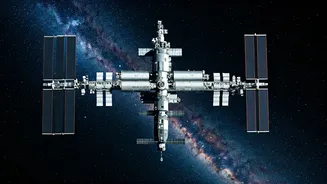


Putting a Price on the Heavens
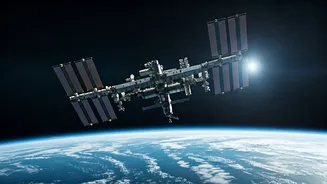
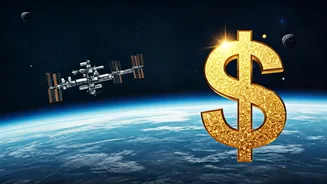
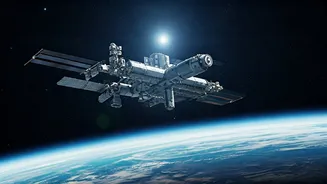
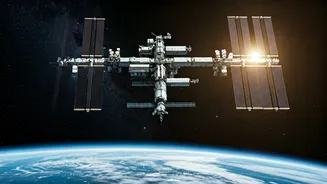
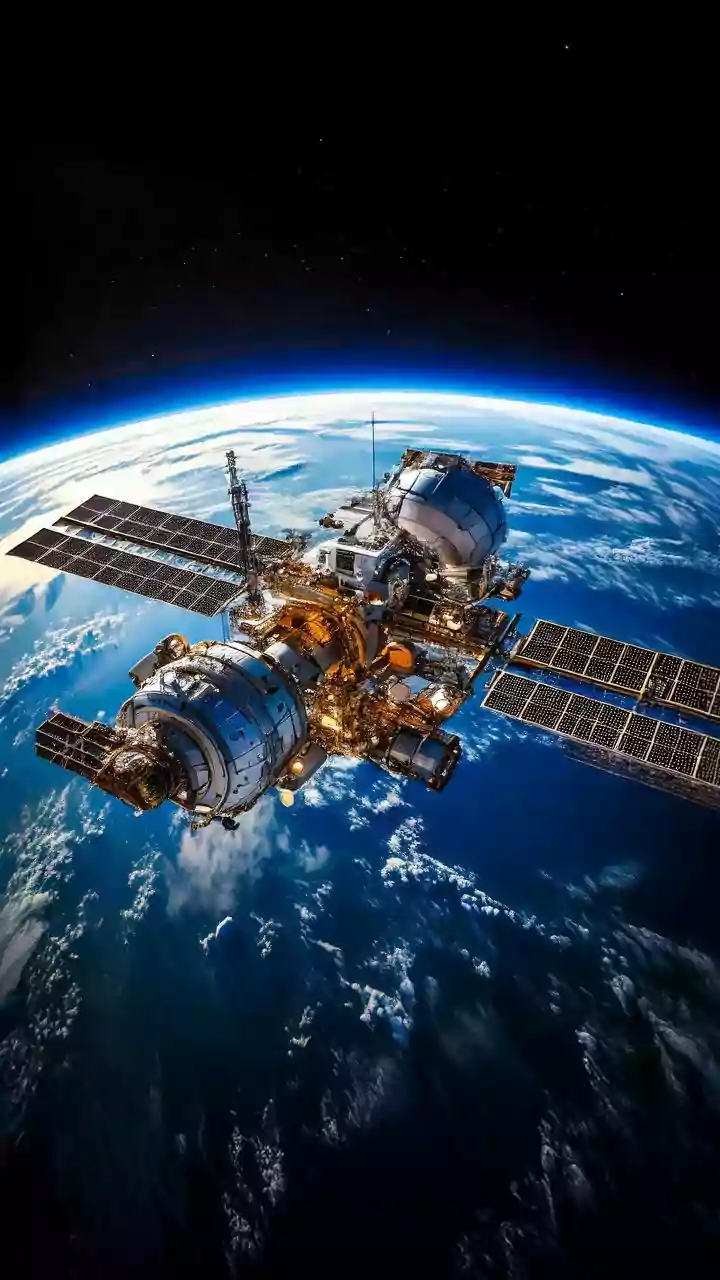
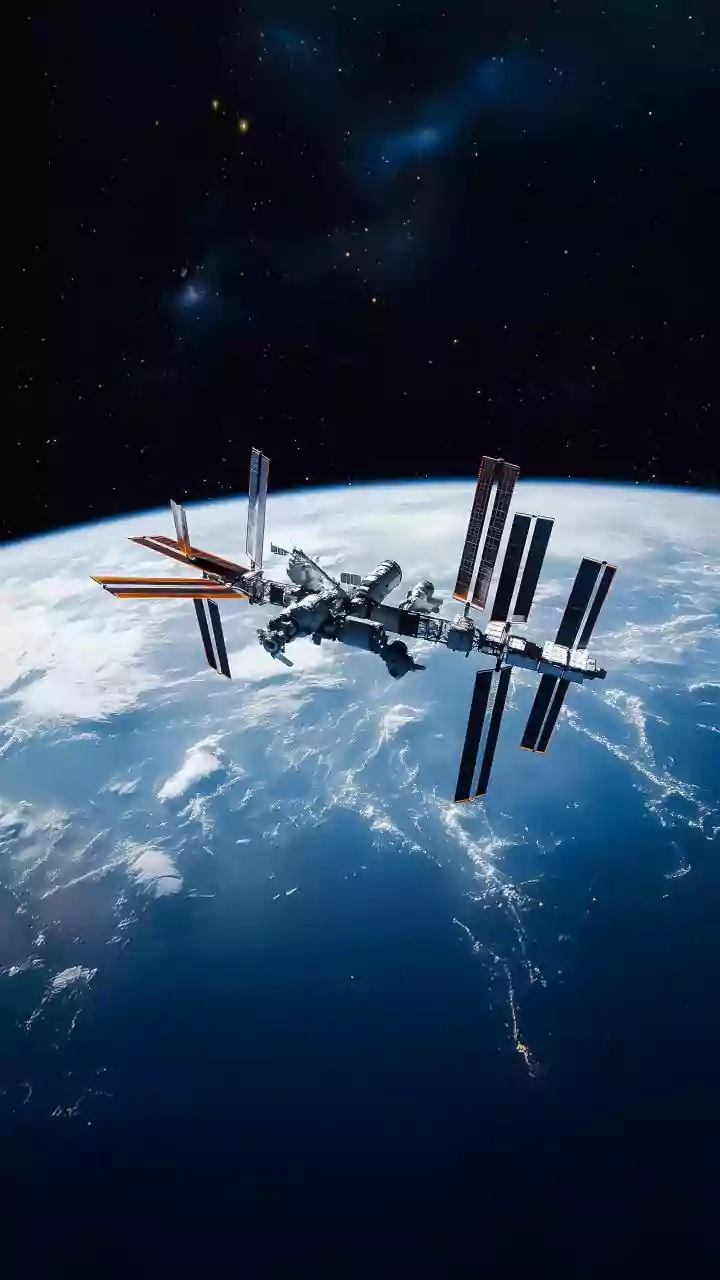
So, how much does the most expensive object ever cost? While pinpointing an exact figure is complex, the most widely cited estimate for the total cost to build and operate the ISS is a monumental $150 billion. This figure, confirmed by multiple space
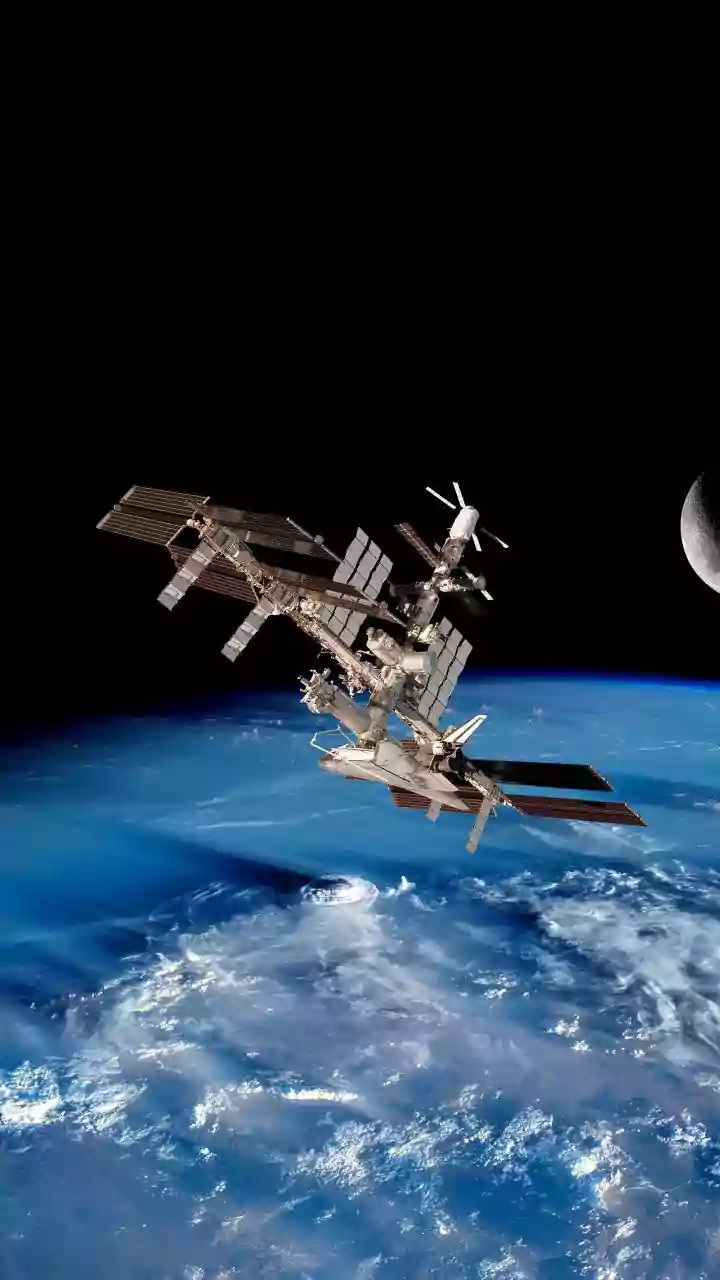
agencies and reports, accounts for decades of development, construction, and operational expenses shared among its international partners. The European Space Agency (ESA) has estimated the total investment from all partners at around €100 billion over its lifespan. Guinness World Records officially recognizes the ISS as the most expensive man-made object. This colossal sum includes not just the hardware, but also the 36 Space Shuttle flights required for its assembly, each costing an estimated $1.4 billion.
The Anatomy of the Bill
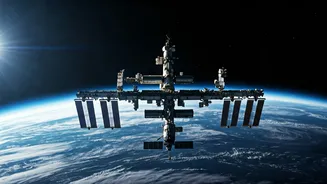
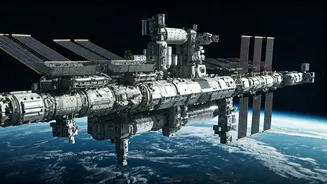
What makes a space station so astronomically expensive? The cost isn't just in the materials. A significant portion comes from the sheer complexity of assembling a football-pitch-sized structure in orbit, piece by piece, like a zero-gravity LEGO set. More than 30 separate missions were needed to ferry modules and components into space. Beyond construction, the annual operating costs are immense, with NASA alone spending between $3 billion and $4 billion per year. This budget covers everything: life support, crew supplies, round-the-clock monitoring from mission control centres on Earth, and of course, the constant cycle of resupply missions carrying everything from food and water to scientific equipment. Every repair, whether a minor leak or a system upgrade, is a complex and costly procedure involving spacewalks and extensive ground support.
How Does It Compare?
To put the $150 billion cost into perspective, it dwarfs other megaprojects. For instance, the Large Hadron Collider, the world's most powerful particle accelerator, cost approximately $4.75 billion to build. The Hubble Space Telescope, another revolutionary scientific instrument in orbit, had a price tag of around $1.5 billion at launch. Even massive terrestrial projects like the San Francisco-Oakland Bay Bridge, which cost over $6.4 billion, don't come close. The ISS's cost is a reflection of its nature as a continuous, crewed, and multinational undertaking spanning decades, a level of complexity and duration unmatched by almost any other project in human history.
A Priceless Return on Investment
While the financial cost is high, proponents argue the scientific and diplomatic returns are invaluable. Continuously inhabited since November 2000, the ISS has hosted over 3,000 research investigations from more than 270 individuals from 21 countries. Research aboard the station has led to significant breakthroughs. These include developing advanced water purification systems now used on Earth, creating new methods to combat bone and muscle loss, and growing protein crystals that have aided in the development of drugs for diseases like cancer and Duchenne Muscular Dystrophy. It serves as a vital laboratory for understanding the effects of long-duration spaceflight on the human body, which is critical for future missions to the Moon and Mars. Furthermore, it stands as one of the most successful examples of international cooperation in history.
The Billion-Dollar Farewell
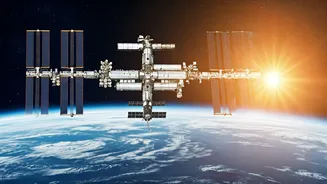
All incredible journeys must end, and the ISS is no exception. With its original components aging and showing signs of structural fatigue, NASA plans to decommission and deorbit the station around 2030. The process will culminate in a controlled descent into a remote area of the Pacific Ocean known as the spacecraft cemetery. Even this final act comes with a hefty price tag. NASA has contracted SpaceX to build a dedicated deorbit vehicle at a cost of nearly one billion dollars to ensure the 420,000 kg structure comes down safely. This carefully managed retirement will pave the way for the next generation of commercially operated space stations, which will continue the legacy of research in low-Earth orbit.