
The Green Myth's Origin Story
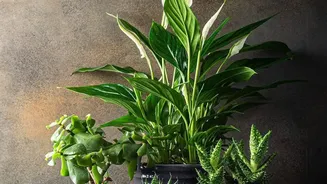
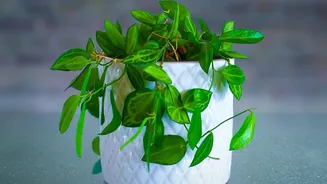
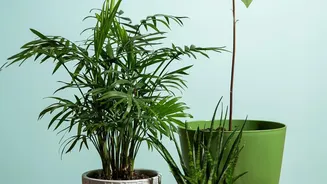
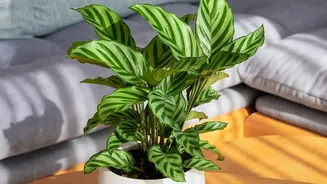
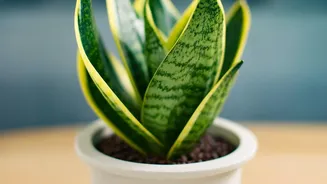
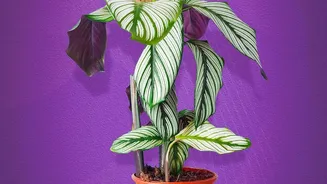
The popular belief that houseplants are tiny green air filters can be traced back to a 1989 NASA study. Facing the challenge of keeping the air clean in sealed space stations, researchers found that certain common plants could remove volatile organic
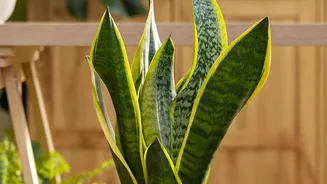
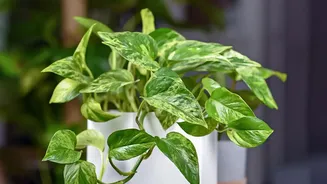
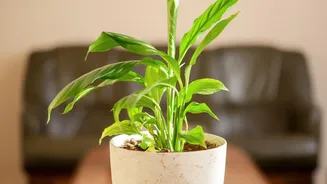
compounds (VOCs) like formaldehyde and benzene from the air. The study was conducted by placing plants in small, sealed plexiglass chambers and injecting pollutants. Over 24 hours, some plants did indeed remove a significant percentage of these chemicals. This exciting finding was published and quickly entered the public imagination, creating a durable and appealing story: simply add a few plants to your home for fresher, cleaner air.
From a Sealed Lab to Your Living Room
The problem is that our homes are nothing like a sealed NASA chamber. A 2019 review of decades of research concluded that in a real-world setting, the air-cleaning effects of plants are practically negligible. The original studies were performed in tiny, enclosed spaces with no air circulation. Your home or office, by contrast, has a much larger volume of air that is constantly being exchanged through windows, doors, and ventilation systems. This natural air exchange dilutes pollutants far more quickly and effectively than a few potted plants ever could. To match the air-cleaning capacity of a building's standard ventilation, you would need an impossibly dense jungle—somewhere between 100 and 1,000 plants per square metre of floor space.
What Really Cleans the Air You Breathe?
If plants aren't the solution, what is? Improving indoor air quality, a critical issue in many Indian cities, requires a more direct approach. Poor indoor air can be multiple times more polluted than outdoor air and is linked to health issues ranging from headaches and allergies to more severe respiratory and heart conditions. The main culprits are fine particulate matter (PM2.5) from outdoor pollution and indoor sources, as well as VOCs from furniture and cleaning products. Truly effective strategies focus on three key areas: ventilating, purifying, and controlling pollution at its source.
The Simple Power of Ventilation
The most effective and low-cost way to improve indoor air is to exchange stale indoor air with fresher outdoor air. Opening windows and doors to create cross-ventilation for even a short period can dramatically reduce the concentration of indoor pollutants. In urban areas with high outdoor pollution, it is wise to time your ventilation, opening windows when the outdoor Air Quality Index (AQI) is at its lowest, often in the afternoons. Using exhaust fans in kitchens and bathrooms is also crucial, as they expel moisture and pollutants generated from cooking and cleaning directly outside.
A Role for Technology: Air Purifiers
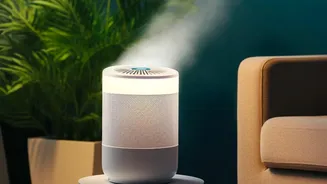
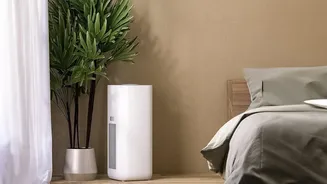
For dealing with particulate matter like PM2.5, which is a major health concern in India, a high-efficiency particulate air (HEPA) filter is the most effective tool. These filters are designed to capture at least 99.97% of airborne particles that are 0.3 microns in size, which includes dust, pollen, and dangerous PM2.5 particles. Studies have consistently shown that running a portable air purifier with a HEPA filter can significantly reduce indoor particulate matter concentrations, by as much as 55% or more in some cases. When choosing a purifier, look for one with a Clean Air Delivery Rate (CADR) that is appropriate for your room size.
Controlling Pollutants at the Source
Beyond ventilation and purification, a key strategy is to reduce the amount of pollution being created inside your home in the first place. This is known as source control. Simple steps include regularly cleaning and dusting to remove allergens, using a chimney or exhaust fan while cooking, choosing low-VOC paints and furniture, and avoiding the use of synthetic air fresheners and incense, which can release harmful chemicals into the air. By preventing pollutants from entering the air, you reduce the overall burden on your ventilation and purification systems.