


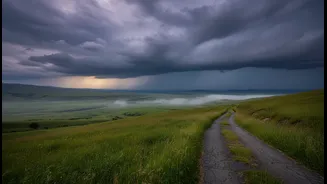


The Monsoon's Double-Edged Sword
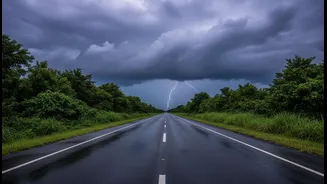
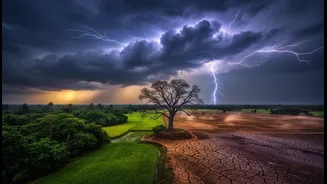
The Southwest Monsoon, which is expected to cover the entire country in early July, is a welcome relief from the summer heat, replenishing water sources and turning the landscape vibrant. However, for travellers, this season presents a significant challenge.
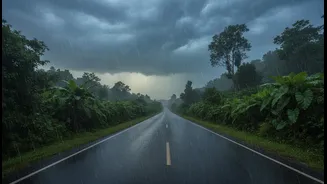
The India Meteorological Department (IMD) has issued warnings for heavy to extremely heavy rainfall across various states, which can lead to flash floods, waterlogging, and landslides. These conditions are notorious for causing major disruptions to road, rail, and air transport, turning picturesque journeys into frustrating ordeals. Recent events have already shown the monsoon's power, with relentless rains crippling transport networks in states like Maharashtra and Himachal Pradesh.
High-Risk Zones: Mountains and Coasts
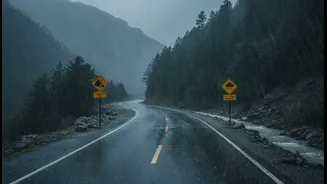
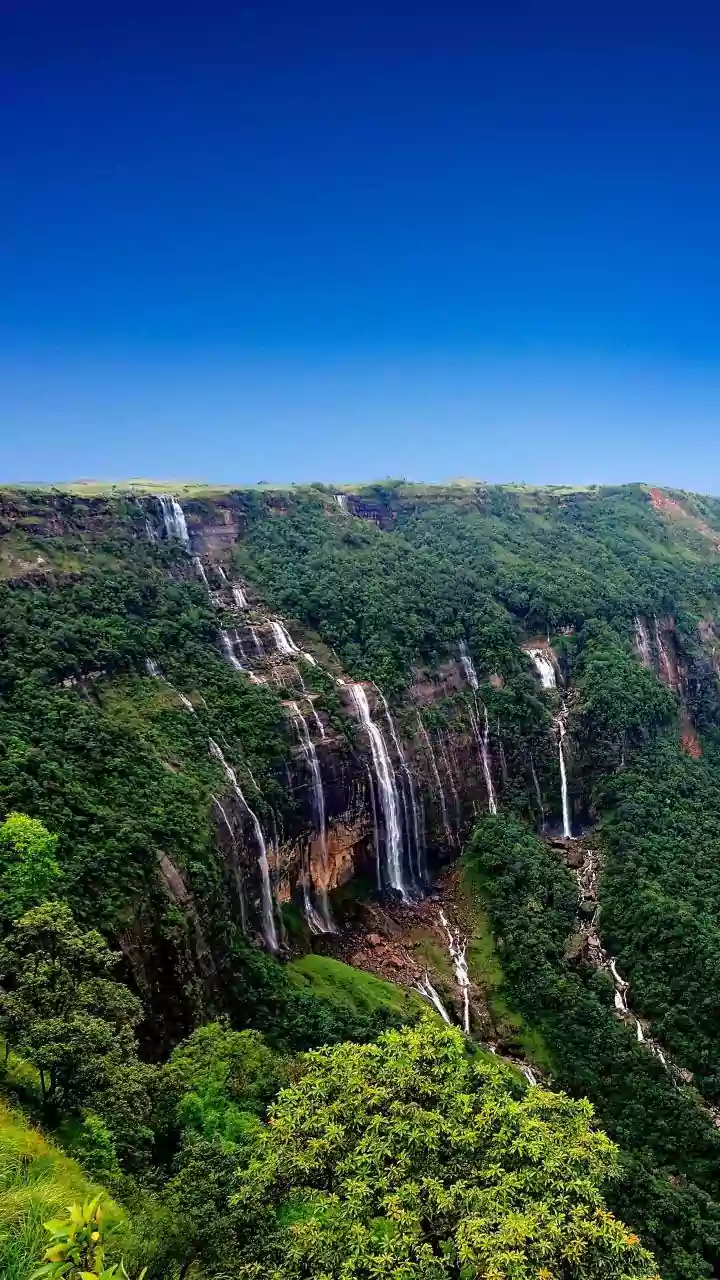
Certain regions are particularly vulnerable during the monsoon. The Himalayan states, including Himachal Pradesh and Uttarakhand, are hotspots for landslides. Key highways to popular destinations like Manali, Shimla, Mussoorie, and the Char Dham pilgrimage sites frequently face blockages due to falling debris and washed-out roads. Recent heavy rains in Himachal have already triggered flash floods and blocked crucial roads in Kullu and Chamba districts. Similarly, the Western Ghats, running through Maharashtra, Goa, Karnataka, and Kerala, experience intense rainfall that makes popular routes like the Mumbai-Pune Expressway and roads in Lonavala, Khandala, and Munnar prone to landslides and closures. In Maharashtra, authorities have even invoked legal sections to ban entry to popular trekking spots, waterfalls, and forts in districts like Pune and Raigad for safety reasons.
When Your Train or Flight is a No-Go
It's not just the roads that are affected. Heavy rains frequently lead to waterlogged railway tracks, causing widespread delays and cancellations. Key routes like the Mumbai-Pune and Mumbai-Ahmedabad corridors have recently faced severe disruptions, with multiple trains being cancelled, diverted, or stranded for hours. Air travel is also precarious. Poor visibility and strong winds at airports, especially coastal ones like Mumbai and Goa, lead to a high rate of flight delays and diversions. Airlines often issue travel advisories during peak monsoon, urging passengers to check their flight status frequently and allow for significant buffer time when planning their journey.
Your Monsoon Travel Safety Checklist
Despite the risks, travelling during the monsoon can be rewarding if you plan carefully. The first rule is to stay informed. Always check the latest weather forecasts from the IMD before and during your trip. It is also wise to have buffer days in your itinerary to account for unexpected delays. When packing, prioritize essentials like a raincoat, waterproof footwear with good grip, and waterproof bags for your documents and electronics. Carrying a first-aid kit, insect repellent, a power bank, and some non-perishable snacks is also a good idea. If you're driving, reduce your speed on wet roads, maintain a safe distance from other vehicles, and avoid travelling at night in hilly areas. Most importantly, always follow advisories issued by local authorities and be prepared to change your plans for safety.
Choosing Smarter Monsoon Destinations
If you want to enjoy the rains without the high risk of disruption, consider destinations that are beautiful yet safer during this season. Instead of landslide-prone Himalayan towns, you could explore places in the rain-shadow region like Ladakh, which remains largely dry. Alternatively, destinations in the Aravalli hills like Mount Abu or in Central India like Pachmarhi offer lush monsoon scenery with a lower risk of extreme weather events compared to the Himalayas. Even in the south, opting for the backwaters of Kerala in areas like Alappuzha can be a more predictable and equally atmospheric experience than the high-range areas like Munnar, which are more susceptible to landslides. The key is to choose locations with better infrastructure and accessibility, allowing you to savour the season's beauty without getting stranded.