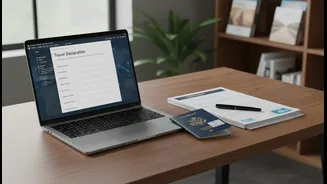









The Old Scramble: Remembering Visa on Arrival
For years, the Thai holiday for many Indian tourists began not at the beach, but in a sprawling, often chaotic, queue for a Visa on Arrival (VoA). The process was a well-known travel hurdle: filling out paper forms, scrambling for passport photos and
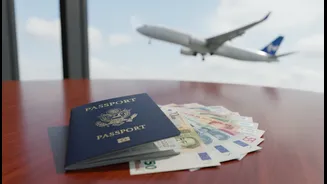
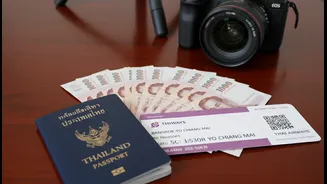
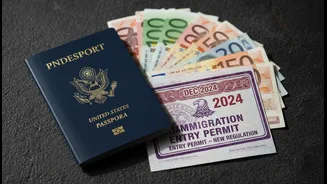
Thai Baht in cash for the fee, and then the long, snaking wait for the visa stamp itself before you could even join the main immigration line. This system, while functional, was a relic of a paper-based era, creating a stressful bottleneck that could add hours to the start of a trip. After a brief period of visa-free travel, Thailand has reverted to a VoA system for Indian passport holders as of mid-2026, alongside stricter document checks.
The New Flow: The Thailand Digital Arrival Card (TDAC)
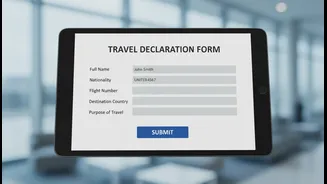
The most significant change designed to combat this is the mandatory Thailand Digital Arrival Card, or TDAC. This free, online form has replaced the classic blue-and-white TM.6 paper arrival card that was once a staple of every flight to the kingdom. All foreign nationals must now complete the TDAC online within 72 hours before their arrival. The system collects passport details, flight and accommodation information, and health declarations. Upon submission, travellers receive a QR code via email, which is then linked to their passport in the immigration system. The goal is to digitise the data collection that used to happen on paper, allowing immigration officers to access a traveller's details instantly.
A True Upgrade or a Digital Sidestep?
The key question is whether the TDAC genuinely improves the process. The headline advantage is clear: no more fumbling for a pen on the plane or filling out forms with your luggage at your feet. By submitting details in advance, the system is designed to streamline the interaction with the immigration officer. Anecdotal evidence suggests that when the system works, it makes the process noticeably smoother. However, the improvement is not without caveats. The responsibility now shifts to the traveller to complete the form correctly before their flight. Furthermore, while the TDAC replaces one piece of paper, it doesn't eliminate all checks. Indian travellers arriving on a Visa on Arrival are still subject to new, stricter advisories issued in July 2026, which may require them to show proof of funds (approximately THB 20,000 in cash), confirmed return tickets, and hotel bookings.
The Next Level: Automated Gates Arrive
Beyond the TDAC, Thailand is also investing in physical infrastructure to speed up queues. Major airports like Phuket are now rolling out Automatic Border Control (ABC) e-gates for international arrivals. These gates, which were previously only for departures, allow travellers with biometric e-passports to self-process through immigration using facial recognition. This is a significant step, as it can divert a large number of eligible passengers away from manual counters, reducing overall wait times for everyone. While the rollout is still in its early stages and limited to those with e-passports, it signals a clear commitment to modernising the entire entry experience, moving beyond just digitising forms.
Your New Pre-Travel Checklist for Thailand
So, what does this all mean for your next trip? The core paperwork has shifted from on-arrival to pre-departure. Here's a simple checklist: 1. Check Your Passport: Ensure it has at least six months of validity from your date of entry. 2. Complete the TDAC: Within 72 hours of your flight, go to the official TDAC immigration website (it's free) and fill out the form. Double-check all details match your passport. Save the QR code to your phone. 3. Prepare for Visa on Arrival: Have one passport-sized photograph ready. Also, carry THB 2,000 in cash for the 15-day visa fee. 4. Carry Supporting Documents: Keep digital or physical copies of your confirmed return flight, hotel bookings for your entire stay, and a clear travel itinerary. 5. Proof of Funds: Be prepared to show proof of funds if requested. The advisory for VoA travellers suggests carrying at least THB 20,000 (around ₹58,000) in cash.