





The Power of Food Sequencing
Imagine your typical Indian thali: a vibrant collection of sabzi, dal, roti, and rice. Most of us eat these components in a mixed fashion or start with the carbohydrates like roti or rice. However, a growing body of research suggests a simple tweak to
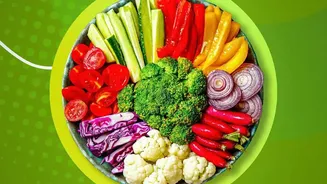
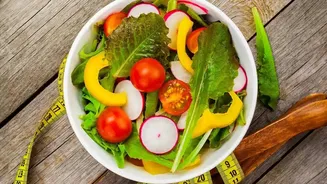
this order can have a significant impact on our metabolic health. This concept is called 'food sequencing' or 'meal sequencing'. It’s not about restricting what you eat, but rather strategically ordering your food groups to better manage how your body processes them. The principle is straightforward: start with vegetables (especially leafy greens), followed by protein and fats, and save your carbohydrates for the very end of the meal. This approach has gained widespread attention for its powerful effect on blood sugar levels.
Understanding the Post-Meal Glucose Spike
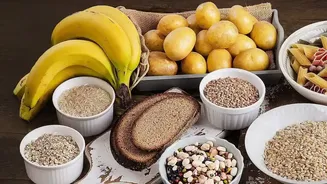
To understand why food order matters, we first need to talk about glucose. When we eat carbohydrates—like bread, rice, or potatoes—our body breaks them down into glucose, a type of sugar that enters our bloodstream to be used for energy. A rapid influx of carbohydrates eaten on an empty stomach can cause a sharp, sudden increase in blood glucose, often called a 'glucose spike'. This is typically followed by a 'crash' as your body releases a large amount of insulin to manage the sugar, leaving you feeling tired, foggy, and often craving more sugar. Over time, frequent and large glucose swings can increase the risk of developing insulin resistance and other long-term health issues. By managing these spikes, you can achieve a more stable and sustained energy flow throughout the day.
How Leafy Greens Lead the Way
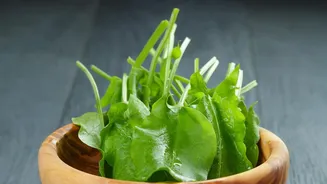
So, how does starting with greens help? The magic lies in fibre. Leafy greens and other non-starchy vegetables are packed with dietary fibre, a type of carbohydrate that our bodies can't digest. When you eat these vegetables first, the soluble fibre in them dissolves in water and forms a viscous, gel-like mesh in your stomach and intestines. This mesh acts as a protective barrier, physically slowing down the digestion and absorption of the carbohydrates you eat afterwards. As a result, the glucose from your roti, rice, or dal is released into your bloodstream more slowly and gradually. This prevents the sharp spike and instead promotes a gentle curve, which means steadier energy and less demand on your body's insulin response. Studies have shown this simple change can reduce the post-meal glucose spike by a significant margin.
The Role of Protein and Fats
While leafy greens are the star, protein and fats also play a crucial supporting role. Following up your vegetable starter with protein-rich foods like dal, paneer, chicken, or fish further helps to blunt the glucose response. Protein and fats also slow down gastric emptying—the rate at which food leaves your stomach. Furthermore, eating protein can stimulate the release of certain gut hormones, such as GLP-1, which helps your body prepare to manage the incoming carbohydrates more efficiently. This one-two punch of fibre from veggies and then protein and fats creates the ideal environment for your body to process the carbohydrates that you enjoy at the end of your meal, leading to better satiety and blood sugar control.
Optimising Digestion and Fullness
The benefits extend beyond just blood sugar. The headline's claim about 'optimising digestion' is primarily linked to the high fibre content of the vegetables. Fibre adds bulk to your food, helping you feel full sooner and for longer. This can naturally lead to better portion control and prevent overeating. Insoluble fibre, also present in vegetables, acts like a 'broom' for your digestive system, promoting regularity and helping to keep your gut healthy. While 'optimising' is a strong word, starting your meal with fibre certainly sets the stage for a healthier digestive process and contributes to overall gut wellness by feeding beneficial gut bacteria.
Putting It Into Practice
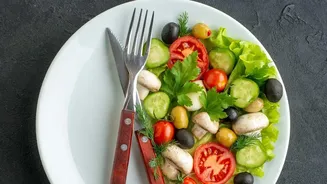
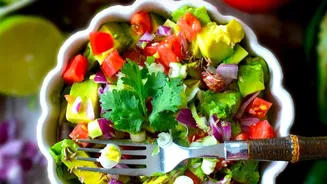
Incorporating this into your daily routine is simpler than it sounds. You don't need to cook separate or complicated dishes. At home, this could mean starting your meal with a simple kachumber salad or a bowl of sauteed spinach before you touch your roti or rice. When eating out, order a salad or a clear vegetable soup as an appetiser. Even a handful of raw carrots or cucumbers before your main course can make a difference. The key is to create that fibre-rich 'base' in your stomach before the carbohydrates arrive. This small, intentional shift doesn't require you to give up your favourite foods; it simply asks you to enjoy them in a smarter order for better health and energy.