







Secure Your Passport First
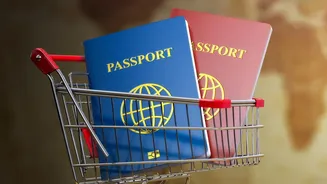
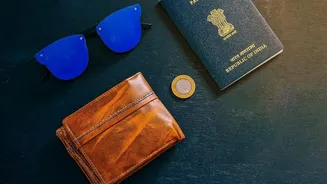
Your passport is the absolute first step. If you don't have one, apply immediately through the official Passport Seva Portal. The process is now largely online, from filling the application to scheduling an appointment at your nearest Passport Seva Kendra
(PSK). If you already have a passport, check its expiry date. Most countries require your passport to be valid for at least six months beyond your planned date of travel and have at least two blank pages. Airlines can deny boarding if you don't meet this rule, so verify this before you book anything.
Choose a Destination & Set a Budget
For a first international trip, consider destinations that are beginner-friendly for Indian travellers. Countries like Thailand, Bali (Indonesia), Singapore, and Dubai are popular choices due to short flight times and streamlined visa processes like visa-on-arrival or e-visas. Research the best time to visit to avoid peak seasons when prices for flights and hotels are highest. Simultaneously, create a realistic budget. Factor in flights, accommodation, visa fees, food, activities, and travel insurance. It's also wise to add a 15-20% buffer for unexpected expenses.
Understand the Visa Process
Once you have a destination in mind, understanding its visa requirements is critical. As an Indian passport holder, you have visa-free, visa-on-arrival, or e-visa access to over 60 countries, which simplifies planning significantly. For other nations like those in the Schengen Area, the UK, or the US, you will need to apply for a visa in advance, a process that can take several weeks. Always check the official embassy or consulate website for the most accurate and up-to-date information before you book any non-refundable tickets or hotels.
Book Flights and Accommodation
With your passport and visa plan sorted, it's time to book. For flights, start searching early and be flexible with your travel dates if possible; flying mid-week is often cheaper than on weekends. Use flight comparison websites like Skyscanner or Google Flights to find the best deals. For accommodation, decide what suits your budget and travel style. Hotels offer convenience, hostels are great for solo travellers on a budget, and vacation rentals can be ideal for groups or families. Booking accommodation with free cancellation provides flexibility in case your plans change.
Plan Your Money Strategy
Relying solely on cash or a single card is risky. The best approach is a combination of payment methods. Get a multi-currency forex card before you leave India, as it offers better exchange rates and security. Carry a small amount of the local currency in cash for immediate expenses like taxis or snacks upon arrival. Avoid exchanging large sums of money at airport counters, which typically have high markup fees. Also, inform your Indian bank of your travel dates to prevent your credit or debit cards from being blocked for suspicious activity.
Don't Skip Travel Insurance
Travel insurance is not an optional extra; it's a necessity. It protects you from unforeseen events such as trip cancellations, lost baggage, and, most importantly, medical emergencies. Healthcare abroad can be extremely expensive, and a good insurance policy covers these costs, including medical evacuation if needed. Many countries now require proof of travel insurance for entry. Read the policy carefully to understand what is covered before you purchase it.