



The Science: A Potassium Powerhouse
The logic behind this popular gardening tip is sound. Banana peels are famously rich in potassium (K), an essential macronutrient for plants. Think of potassium as the plant world's multi-tasking manager. It helps regulate water uptake, strengthens cell
walls, improves disease resistance, and is crucial for promoting vibrant flowers and developing fruit. If you're growing roses, tomatoes, peppers, or any flowering houseplant, potassium is your best friend. While a banana peel's nutrient profile (its N-P-K ratio) is roughly 0-3-42, it means it contains almost no nitrogen (N), a little phosphorus (P), and a whole lot of potassium (K). It also offers secondary nutrients like calcium and magnesium. This makes it a fantastic, targeted supplement for plants that need a flowering or fruiting boost without encouraging excessive leafy growth, which is what high-nitrogen fertilisers do.
The Common Mistake: Why Raw Peels Fail
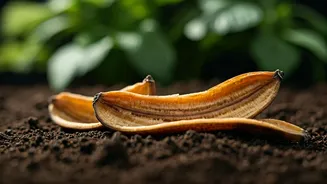
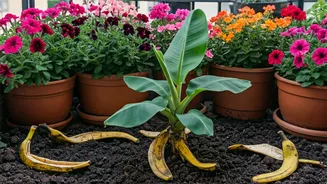
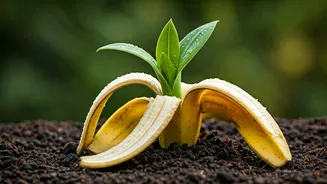
Here’s where the internet hack often goes wrong. Many sources suggest simply chopping up a banana peel and burying it in the soil near your plant’s roots. While not inherently harmful, this method is inefficient and can create new problems. Firstly, the nutrients are not immediately available. The peel must decompose completely for microorganisms to break it down and release the potassium in a form the plant can absorb, a process that can take weeks or even months. Secondly, and more annoyingly, fresh peels in your soil are an open invitation for pests. Fungus gnats, fruit flies, and other insects are drawn to the decaying organic matter. In outdoor gardens, buried peels can also attract larger pests like rodents. The slow decomposition in moist soil can also encourage fungal growth or mold, which may not be ideal for your plant's root system.
Better Method 1: Brew a Nutrient Tea
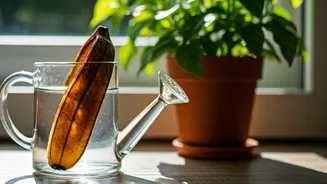
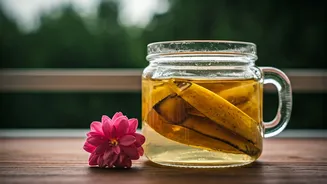
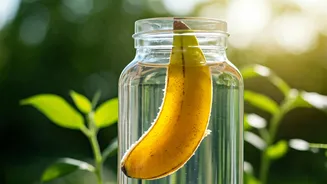
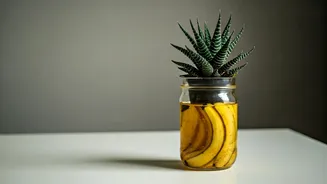
A far more effective and faster way to deliver that potassium is by making a 'banana peel tea'. This liquid fertiliser makes the nutrients immediately available for your plants to absorb. It's incredibly simple to do. Just take the peels from one or two bananas and place them in a large glass jar. Fill the jar with water, seal it, and let it sit for about a week. You'll notice the water turn a light brownish colour as the nutrients leach out from the peels. After a week, strain the liquid to remove the solid peel pieces. To use, dilute this 'tea' with fresh water at a ratio of about one part banana tea to four parts water. Use this solution to water your plants as you normally would, about once every two weeks during the growing season. It's a perfect pick-me-up for flowering plants.
Better Method 2: Create a Dried Peel Powder
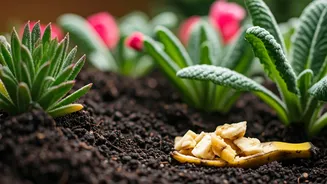
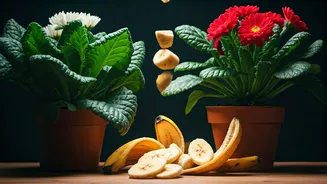
If you prefer a slow-release fertiliser that's less messy and avoids the pest issue, drying the peels is an excellent option. By removing the moisture, you concentrate the nutrients and create a stable amendment that won't rot in your soil. You can air-dry the peels by cutting them into small pieces and leaving them on a plate for a few days until they are brittle. For a faster method, lay the peels on a baking sheet and bake them in an oven on the lowest possible temperature until they are dark and crispy. Once the peels are completely dry and brittle, you can crush them by hand or grind them into a fine powder using a coffee grinder or blender. This powder can be sprinkled lightly on the topsoil around your plants before watering or mixed directly into your potting soil when you're repotting.
The Gold Standard: Add to Your Compost
Ultimately, the absolute best way to use banana peels—and all your kitchen scraps—is to compost them. Composting is nature’s recycling system. When you add banana peels to a well-maintained compost pile or bin, they break down alongside other organic materials, creating a balanced, nutrient-rich soil amendment known as humus. This process eliminates any risk of attracting pests to your potted plants. The resulting compost not only provides potassium but a full spectrum of macro and micronutrients that improve soil structure, aeration, and water retention. While it's a long-term project, incorporating compost into your garden soil or potting mix is the single most beneficial thing you can do for your plants' overall health.