
Understanding Monsoon Trekking Risks
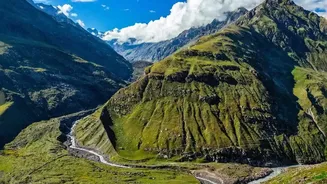
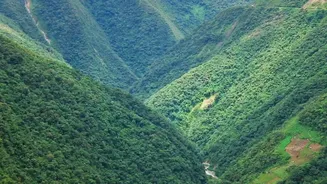
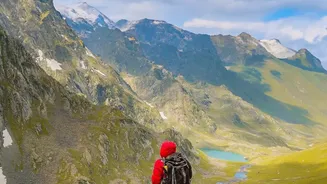
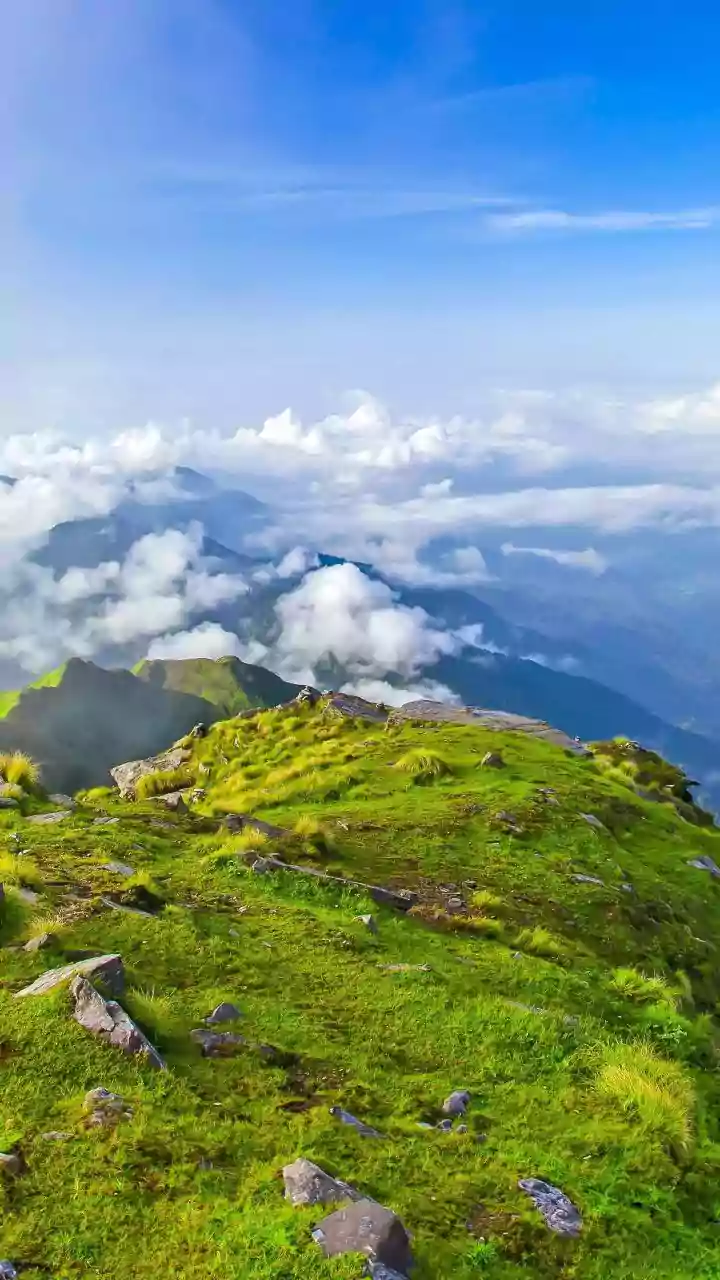
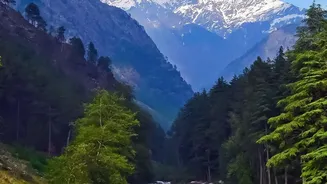
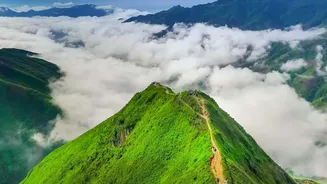
Trekking in Uttarakhand in August is a double-edged sword. The monsoon transforms the valleys into a paradise of vibrant green, with clouds caressing the peaks and waterfalls in full flow. However, this beauty comes with significant risks. Heavy rains
can make trails slippery and treacherous, and the danger of landslides is very real, often leading to road blockages and travel delays. Recent reports from late July 2026 indicate numerous road closures across the state due to landslides, with authorities advising caution and restricting tourist movement in high-altitude areas during bad weather. The key to a successful monsoon trek is not to avoid the rain, but to respect it with meticulous planning, flexibility, and a safety-first mindset.
Top Pick: Valley of Flowers
The Valley of Flowers is a UNESCO World Heritage site and arguably the most famous monsoon trek in India, precisely because August is the best time to see it in full bloom. Hundreds of species of alpine flowers, including the rare Brahma Kamal and blue poppy, create a breathtaking floral carpet. The trek is considered easy to moderate and is accessible to beginners who are reasonably fit. However, safety remains paramount. The trail from Govindghat to Ghangaria can be slippery, and the weather is unpredictable. It is essential to have buffer days in your itinerary to account for potential road closures or days when heavy rain makes trekking unsafe. Despite these challenges, thousands of trekkers safely complete the journey each year by being well-prepared.
Alternative Option: Har ki Dun Valley
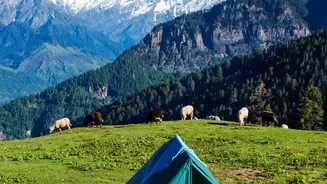
Har ki Dun, or the "Valley of Gods," is another potential option, though opinions on its monsoon safety are mixed. Some sources suggest avoiding it in July and August due to heavy rain and landslide risk. Others note that the valley showcases its lush greenery during this time and hosts local festivals. The trek is generally considered easy to moderate and offers rich cultural experiences as it passes through ancient villages like Osla. If you consider this trek, it is absolutely crucial to check the latest trail and weather conditions with reliable local operators. Given the alerts for heavy rainfall, this trek carries a higher degree of uncertainty than the Valley of Flowers during the peak monsoon.
Essential Monsoon Trekking Gear
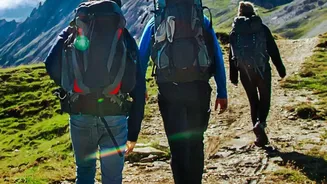
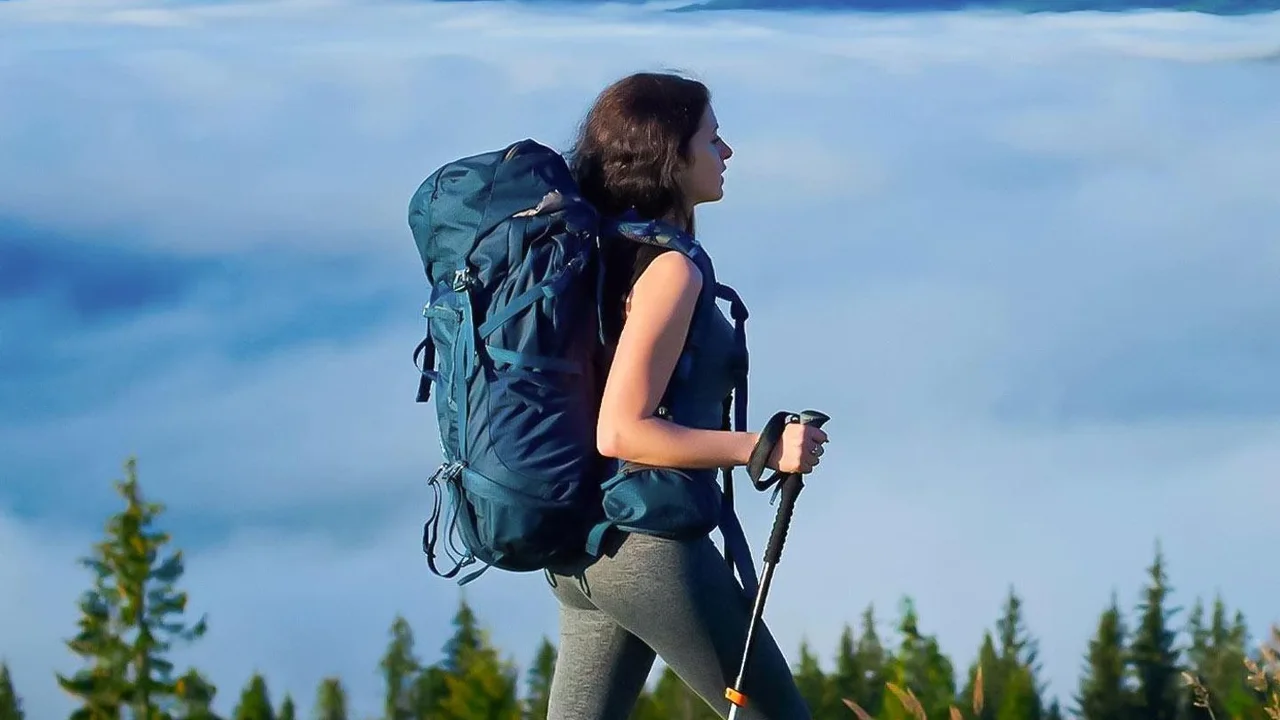
Your gear can make or break a monsoon trek. Do not compromise on waterproofing. A high-quality poncho that covers you and your backpack is essential. Invest in proper waterproof trekking shoes with deep lugs for good grip on muddy and slippery trails; regular sports shoes are not sufficient. Quick-drying clothes made from synthetic materials or wool are a must, as cotton retains moisture and can lead to hypothermia. Pack multiple pairs of socks and keep a complete dry set of clothes in a waterproof dry bag for use at camp. Trekking poles are highly recommended to help with balance on tricky sections.
Acclimatisation and Health Precautions
High altitude demands respect, regardless of the season. Altitude Mountain Sickness (AMS) can affect anyone, and its symptoms include headache, nausea, and dizziness. The best prevention is to ascend slowly and allow your body to acclimatise. Don't rush to gain height, even if you are short on time. Stay well-hydrated, as the rain can sometimes make you forget to drink enough water. A basic first-aid kit is non-negotiable, containing essentials for blisters, cuts, and any personal medications. Consulting a doctor before your trip about AMS medication is also a wise step.
The Golden Rule: Hire a Local Guide
The single most important safety measure for a monsoon trek is to go with an experienced, certified local guide or a reputable trekking company. Local guides possess invaluable, up-to-the-minute knowledge of trail conditions, landslide-prone zones, and safe stream crossings. They can make informed decisions based on the weather and have established communication networks for emergencies. Given the recent weather alerts and road closures in Uttarakhand, attempting a solo or unguided trek during this period is strongly discouraged, especially for beginners. Check with operators about their safety protocols, group size, and what permits are required.