



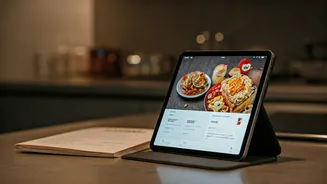


The Rise of the Ghost Restaurant
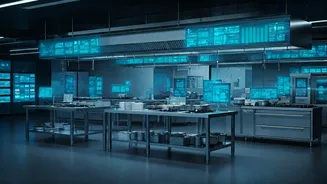
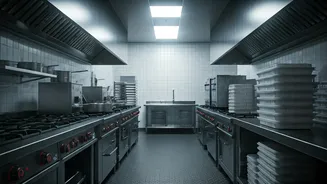
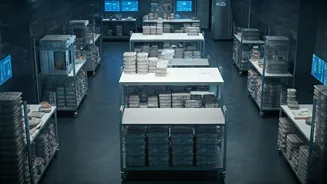
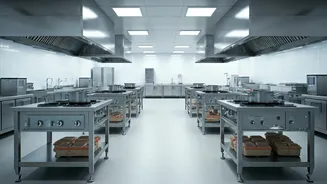
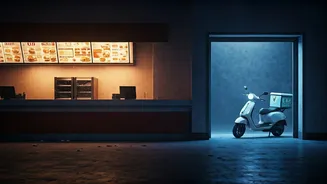
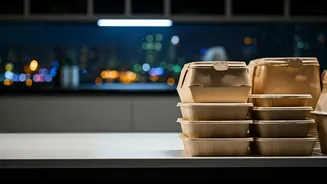
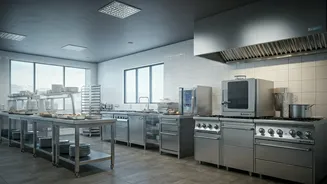
First, let's define our terms. A cloud kitchen—also known as a ghost kitchen or dark kitchen—is essentially a restaurant without a restaurant. There is no dining room, no storefront, and no waiters. It is a commercial cooking facility designed exclusively
for preparing food for delivery. This model slashes the high costs associated with a traditional restaurant, such as prime real estate rent and front-of-house staff. Entrepreneurs can operate from smaller, less expensive spaces, focusing solely on the food and its delivery. This lean structure significantly lowers the barrier to entry, making it an attractive option for new food entrepreneurs and established brands looking to expand.
The App is the New High Street
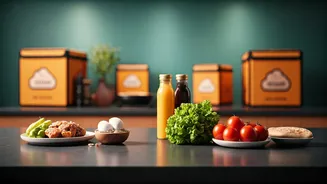
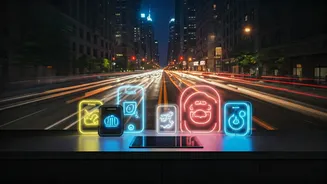
If a cloud kitchen has no physical storefront, how do customers find it? This is where metro delivery apps like Zomato and Swiggy become indispensable. These platforms act as the digital high street, providing the visibility and customer access that ghost kitchens lack. For a cloud kitchen, being listed on a major delivery app is the equivalent of having a prime location in a busy market. These apps have cultivated a massive user base of millions who are accustomed to ordering food with a few taps. By partnering with these platforms, a cloud kitchen can instantly reach a broad customer base without investing heavily in its own marketing and delivery infrastructure.
A Match Made in Data Heaven
The relationship is deeply symbiotic. Delivery platforms need a vast and diverse selection of restaurants to keep users engaged, and cloud kitchens perfectly fill this need by offering a wide range of cuisines. In fact, the platforms themselves have invested heavily in the model; Swiggy's 'Access' program, for example, has helped restaurant partners expand into new areas without the real estate risk. Furthermore, these apps provide kitchen operators with invaluable data on ordering patterns, popular dishes, and customer preferences. This allows kitchens to optimize menus, manage inventory, and even use AI to predict demand based on factors like weather or cricket matches, reducing waste and maximizing profit.
The Sizzling Economics of the Model
The numbers tell a compelling story. India's cloud kitchen market was valued at over USD 1 billion in 2024 and is projected to grow significantly, with some estimates suggesting it could reach nearly USD 3 billion by 2030 and USD 3.69 billion by 2034. This growth is driven by powerful economics. For the kitchen operator, startup costs are dramatically lower—sometimes 5-10 times less than a traditional restaurant. They save on rent, interior design, and extensive staff. For the delivery apps, more kitchens mean more orders, which translates to more commission revenue. This mutually beneficial financial structure has made the partnership a powerful engine for growth in India's food service industry.
Not a Feast for Everyone
However, the model is not without its challenges. The biggest issue for many cloud kitchens is their heavy dependence on aggregators. These platforms can charge commissions ranging from 20-30% per order, which significantly erodes profit margins. This has created a fragile economic reality for many operators, with some studies indicating that 25-30% of cloud kitchens shut down within their first year. Intense competition, the difficulty of building a memorable brand without a physical presence, and ensuring consistent food quality across different locations are other significant hurdles.